Listen to that sound. It is the high-frequency snap of a perfectly executed sear; a sonic signature that confirms your culinary infrastructure is sound. We are not merely cooking dinner tonight. We are conducting a high-stakes audit of marine protein dehydration. The objective is singular: achieving the ultimate Crispy Fish Skin. If your fillet arrives at the table with a soggy, rubbery, or translucent exterior, you have failed the structural integrity test. A superior crust acts as a thermal barrier, protecting the delicate, translucent flakes of the interior while providing a salty, shattered-glass texture that vibrates against the palate. This process requires more than just heat; it requires a deep understanding of surface moisture management and the precise rendering of subcutaneous fats. We are moving beyond the amateur realm of "flipping fish" and into the professional territory of thermal engineering. Prepare your station. Calibrate your senses. We are about to transform a raw aquatic specimen into a masterclass of golden-brown, aerodynamic perfection.
THE DATA MATRIX
| Metric | Specification |
|---|---|
| Prep Time | 20 Minutes (Dehydration Phase) |
| Execution Time | 8 Minutes |
| Yield | 2 Servings |
| Complexity (1-10) | 7 (Precision Dependent) |
| Estimated Cost per Serving | $12.00 – $18.00 (Market Dependent) |
THE GATHERS
Ingredient Protocol:
- 2 Fillets (approx. 340g / 12oz) Skin-on Snapper or Sea Bass
- 30ml / 2 tbsp Neutral High-Smoke Point Oil (Grapeseed or Avocado)
- 45g / 3 tbsp Unsalted European Style Butter
- 3 Sprigs Fresh Thyme
- 2 Cloves Garlic (Crushed)
- 5ml / 1 tsp Flaky Sea Salt
- 1/2 Lemon (for deglazing)
Section A: Ingredient Quality Audit:
If your fish arrives with a "fishy" aroma, the trimethylamine levels have already spiked; this is a failure of the supply chain. A fresh specimen should smell like a clean ocean breeze. If the skin feels excessively slimy, use the back of a chef knife to scrape the surface firmly. This removes excess moisture and residual scales that inhibit the Maillard reaction. For fillets that have been previously frozen, the cellular structure may be compromised. To fix this, perform a "dry brine" by salting the skin side only and leaving it uncovered in the refrigerator for 30 minutes. This draws out internal moisture that would otherwise steam the fish from the inside out.
THE MASTERCLASS
1. The Desiccation Protocol
The enemy of the sear is moisture. Use a heavy-duty paper towel to press firmly against the skin until it is tacky to the touch. Use a bench scraper to ensure the surface of your cutting board is bone-dry before resting the fish.
Pro Tip: At a molecular level, water absorbs massive amounts of energy to convert into steam. By removing surface water, you allow the thermal energy to immediately begin the Maillard reaction, creating that coveted bronze hue.
2. Thermal Loading
Place a heavy-bottomed stainless steel pan or carbon steel skillet over medium-high heat. Add your oil and wait for the first wisps of blue smoke. This indicates the oil has reached its kinetic limit and is ready to receive the protein.
Pro Tip: Use an infrared thermometer to verify a surface temperature of 425 degrees Fahrenheit. A cold pan leads to protein adhesion; a hot pan ensures the fish "surfs" on a layer of vaporizing oil.
3. The Compression Phase
Lay the fillet away from you to avoid oil splatter. Immediately apply pressure using a fish spatula or a weighted press for the first 60 seconds. This prevents the natural contraction of the skin from curling the fillet into a "U" shape.
Pro Tip: Fish skin contains collagen that shrinks rapidly when hitting heat. Consistent pressure ensures total surface contact with the pan, leading to an even, edge-to-edge render of the fat layer.
4. The Butter Baste
Once the skin is rigid and golden, flip the fish. Lower the heat and add your butter, garlic, and thyme. As the butter foams, tilt the pan and use a large spoon to infuse the hot fat over the skin.
Pro Tip: This is a "nascent" frying technique. The hot butter fills the microscopic gaps in the crust, further dehydrating the skin while adding a viscous, nutty flavor profile known as beurre noisette.
Section B: Prep & Timing Fault-Lines:
The most common human error is the "premature flip." If the fish resists when you try to lift it, the protein bonds have not yet released from the metal. Wait. Patience is a technical requirement. Another fault-line is overcrowding the pan. This drops the ambient temperature too quickly, causing the fish to poach in its own juices rather than sear. If you are cooking for a crowd, use two pans or work in batches, keeping the first round in a low oven on a wire rack to maintain airflow.
THE VISUAL SPECTRUM
Section C: Thermal & Visual Troubleshooting:
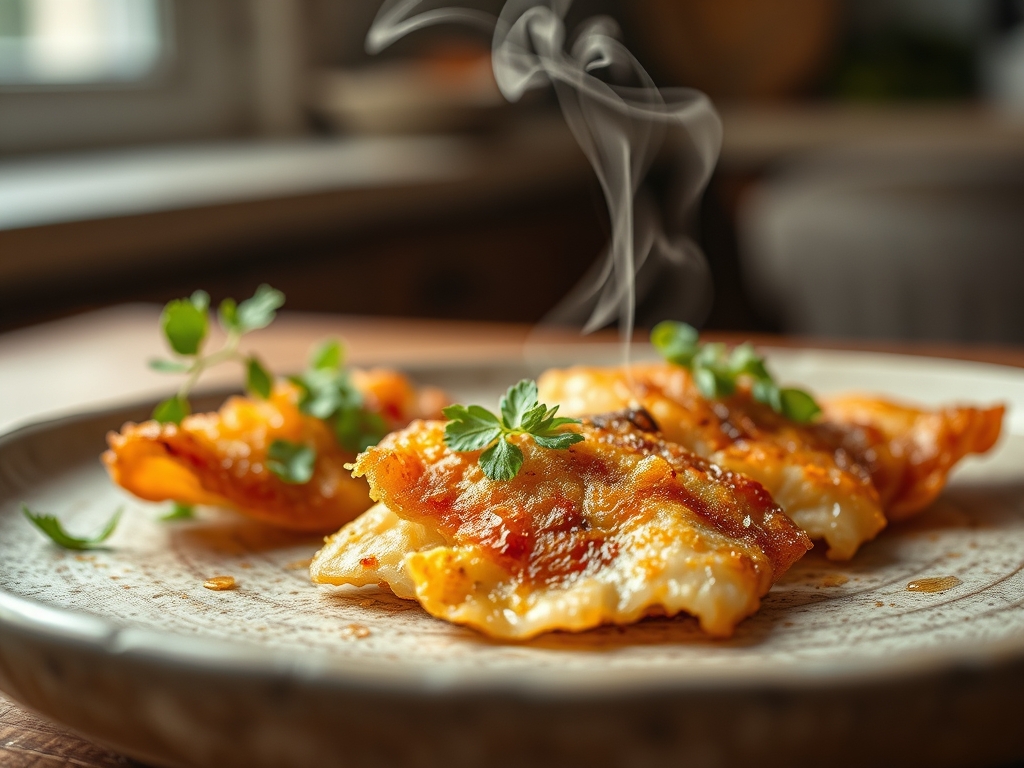
Referencing the Masterclass photo above, look for the "Gilded Edge." The skin should appear opaque and shattered, not translucent or grey. If your skin looks "blistered" but the flesh is raw, your heat was too high; the exterior carbonized before the interior reached its target temperature. If the skin is pale, you likely used a non-stick pan which lacks the "grab" needed for a professional crust. To fix a dull appearance, deglaze the pan with a squeeze of lemon at the very end. This creates a light emulsion with the remaining fats, adding a piquant shine and lifting the flavor profile.
THE DEEP DIVE
Macro Nutrition Profile:
A standard 170g serving provides approximately 34g of high-bioavailability protein, 12g of healthy fats (primarily Omega-3 fatty acids), and 0g of carbohydrates. The skin contains concentrated amounts of collagen and vitamin D, making it the most nutrient-dense portion of the organism.
Dietary Swaps:
- Vegan: Substitute the fish with a thick slab of King Oyster Mushroom. Score the surface in a diamond pattern to mimic the skin texture. Use vegan butter for the basting phase.
- Keto/GF: This recipe is inherently Keto and Gluten-Free. Ensure your "neutral oil" is not a processed seed oil if following a clean-label protocol.
Meal Prep & Reheating Science:
Reheating fish is notoriously difficult because the delicate proteins overcook instantly. To maintain the molecular structure, avoid the microwave. Instead, place the fillet skin-side up in a toaster oven at 375 degrees Fahrenheit for 4 minutes. This re-activates the fats in the skin to restore crunch without turning the flesh into rubber.
THE KITCHEN TABLE
Why does my fish always stick to the pan?
Usually, the pan is not hot enough or the fish was too wet. Ensure the oil is shimmering and use a digital scale to measure consistent fillet thickness for even heat distribution.
Can I achieve this with frozen fish?
Yes, but you must thaw it completely in the refrigerator. Use a bench scraper to remove the "purge" (excess liquid) from the skin before the desiccation step to ensure a proper sear.
What oil is best for Crispy Fish Skin?
Grapeseed oil is the gold standard due to its high smoke point and neutral flavor. It allows the natural salinity of the fish to shine without adding a heavy vegetable aftertaste.
Should I score the skin with a knife?
For thicker fillets like Salmon, light scoring helps heat penetrate the fat layer. For thinner fillets like Snapper, it is unnecessary and can cause the delicate flesh to flake apart prematurely.