Listen closely because your kitchen is currently a crime scene of lukewarm pans and soggy crustaceans. We are here to conduct a full scale Blackened Shrimp Audit to ensure your culinary infrastructure can handle the thermal violence required for perfection. True blackening is not merely "burning" things; it is a high-speed chemical negotiation between protein and fire. When that cast iron hits the smoke point, we are looking for the Maillard reaction on steroids. We want a crust that is dark, piquant, and shattered with spice, while the interior remains a succulent, translucent miracle of physics. Most home cooks fail because they fear the smoke. They crowd the pan, dropping the surface temperature and effectively poaching their shrimp in a gray, sad puddle of their own juices. We do not poach here. We incinerate with intent. This audit will strip away your bad habits and replace them with a rigorous protocol for crustacean excellence. Prepare your ventilation systems; we are going deep into the heat.
THE DATA MATRIX
| Metric | Specification |
|---|---|
| Prep Time | 15 Minutes |
| Execution Time | 6 Minutes |
| Yield | 4 Servings |
| Complexity | 4 / 10 |
| Estimated Cost per Serving | $4.50 – $6.00 |
THE GATHERS
Ingredient Protocol:
- 454g / 1 lb Large Shrimp (16/20 count), peeled and deveined.
- 30g / 2 tbsp Smoked Paprika.
- 15g / 1 tbsp Onion Powder.
- 15g / 1 tbsp Garlic Powder.
- 5g / 1 tsp Dried Oregano.
- 5g / 1 tsp Dried Thyme.
- 3g / 0.5 tsp Cayenne Pepper (adjust for piquant intensity).
- 10g / 2 tsp Kosher Salt.
- 5g / 1 tsp Coarse Black Pepper.
- 60ml / 4 tbsp Unsalted Butter, melted.
- 15ml / 1 tbsp Neutral Oil (High Smoke Point).
Section A: Ingredient Quality Audit:
The most common failure point in a Blackened Shrimp Audit is "wet" shrimp. If you are using frozen stock, the structural integrity of the cell walls often collapses, leaking excess moisture into your pan. This creates steam, which is the natural enemy of the blackened crust. To fix this, you must aggressively pat the shrimp dry with lint-free towels until the surface is tacky. If your spices are more than six months old, they have lost their volatile oils. They will taste like sawdust rather than fire. Infuse your spice blend by toasted them lightly in a dry saucier for thirty seconds before coating the shrimp to wake up those dormant aromatics. Finally, if your butter breaks too early, it is likely due to high water content in budget brands; use European-style butter with higher fat percentages for a more stable viscous coating.
THE MASTERCLASS
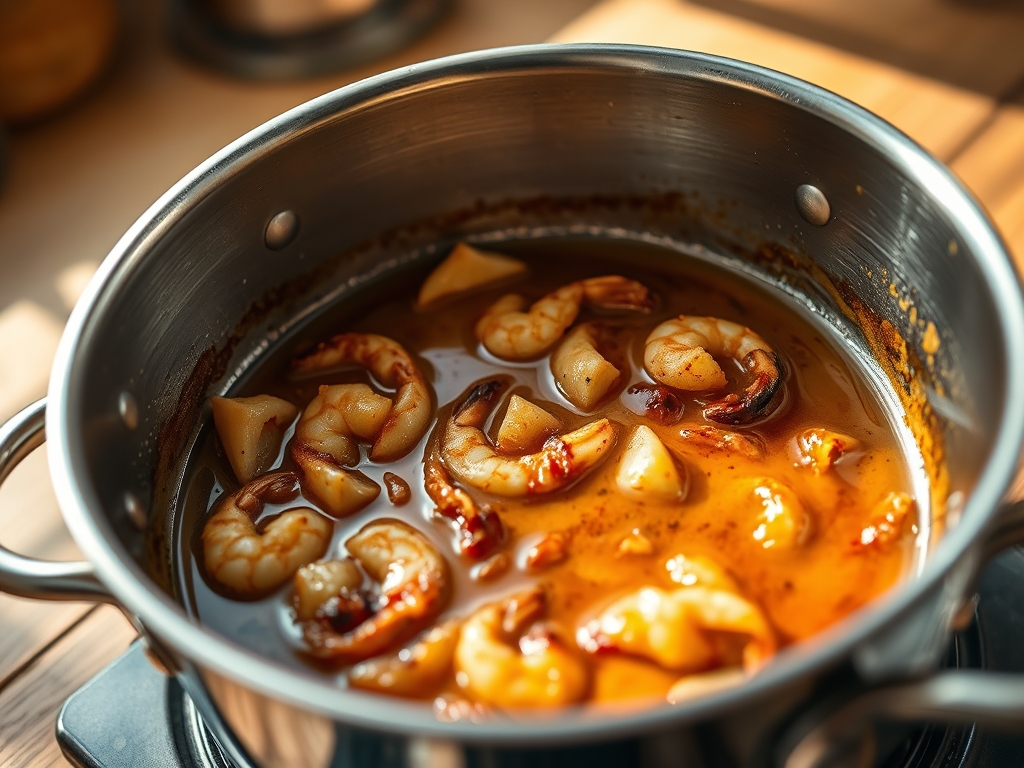
1. The Desiccation Protocol
Before a single spice touches the protein, you must achieve total surface dehydration. Layout your shrimp on a tray lined with paper towels. Use a second towel to press down firmly.
Pro Tip: Use a digital scale to ensure your spice ratios are exact. Even a 2-gram variance in salt can shift the dish from seasoned to inedible. Dehydration ensures the spices adhere to the protein rather than sliding off into the fat.
2. The Dredge and Infuse
Combine all dry spices in a stainless steel mixing bowl. Toss the dry shrimp in the spices first, then drizzle half of the melted butter over them. This creates a thick, viscous paste that anchors the flavor to the shell-less flesh.
Pro Tip: Use a bench scraper to clear your workstation of excess spice dust. Keeping a clean "dry hand / wet hand" system prevents your fingers from becoming blackened clubs, ensuring even distribution across every millimeter of the shrimp.
3. Thermal Priming
Place a heavy cast iron skillet over high heat. You are looking for the "shimmer" point where the oil begins to move like water. If the pan is not screaming hot, the butter will simply melt and soak into the shrimp rather than searing.
Pro Tip: Use an infrared thermometer to verify a surface temperature of at least 450 degrees Fahrenheit. At this temperature, the milk solids in the butter will render and char instantly, creating that signature piquant crust.
4. The Flash Execution
Place the shrimp in the pan one by one, ensuring they do not touch. Do not move them for at least 90 seconds. You are waiting for the spices to polymerize with the fat. Flip once and cook for another 60 seconds.
Pro Tip: Use professional offset tongs to flip the shrimp with surgical precision. Overcrowding the pan causes a catastrophic drop in thermal energy; if you have more than 15 shrimp, execute the audit in two separate batches.
5. The Deglaze Finish
Once the shrimp are opaque and the crust is dark mahogany, toss in a final tablespoon of cold butter and a squeeze of lemon. This will deglaze the pan and create a micro-emulsion that coats the shrimp in a glossy, spicy lacquer.
Pro Tip: A quick swirl with a whisk or spoon helps aerate the pan sauce, giving it a lighter mouthfeel despite the heavy spice load. Transfer immediately to a room-temperature plate to stop the residual cooking process.
Section B: Prep & Timing Fault-Lines:
The primary human error in this protocol is the "hesitation flip." If you move the shrimp too early, the crust sticks to the iron and tears away, leaving you with naked shrimp and a burnt pan. Trust the physics of the sear. Another fault-line is the "cold shrimp" error. If shrimp are taken directly from a 38 degree refrigerator to a 500 degree pan, the exterior will burn before the interior reaches the safe zone. Allow your protein to sit at room temperature for ten minutes to narrow that thermal gap.
THE VISUAL SPECTRUM
Section C: Thermal & Visual Troubleshooting:
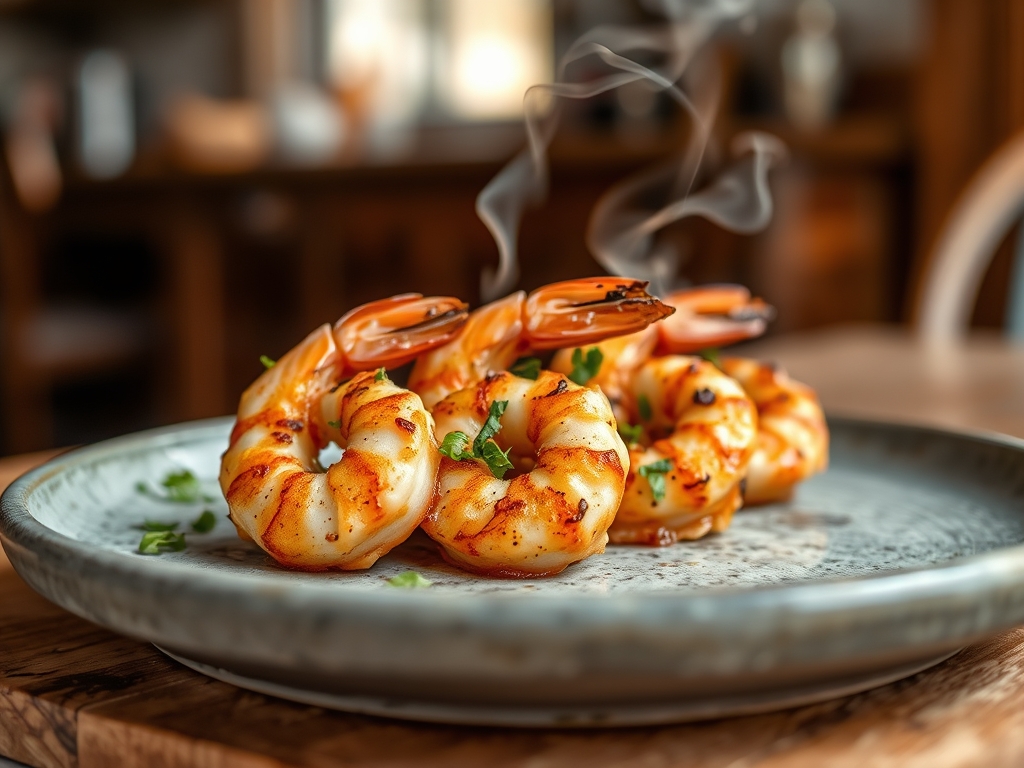
Look at the Masterclass photo above. Notice the deep, matte-black finish that transitions into a vibrant orange-red. If your shrimp look pale or "sweaty," your heat was too low. If the spices look like charcoal briquettes and taste bitter, you likely used an oil with a low smoke point (like extra virgin olive oil) which oxidized before the shrimp cooked. The texture should be "snappy." If the shrimp are curled into tight "O" shapes, they are overcooked and the protein fibers have tightened into rubber. Aim for a "C" shape for optimal tenderness. Dull colors usually indicate a lack of acidity; a final spritz of citrus will brighten the visual spectrum and cut through the heavy lipids.
THE DEEP DIVE
Macro Nutrition Profile:
A standard serving of this blackened shrimp provides approximately 35g of protein, 12g of fat (mostly from the butter), and 4g of carbohydrates (from the spices and garlic). It is a high-density protein option that fits perfectly into most performance-based diets.
Dietary Swaps:
- Vegan: Replace shrimp with extra-firm pressed tofu or king oyster mushroom scallops. Swap butter for avocado oil or a high-fat vegan butter alternative.
- Keto/GF: This recipe is naturally Keto and Gluten-Free. Ensure your spices do not contain anti-caking agents like cornstarch if you are hyper-strict.
Meal Prep & Reheating Science:
To maintain molecular structure during reheating, avoid the microwave. The microwave agitates water molecules, which will steam the shrimp from the inside out, turning them into erasers. Instead, flash-sear them in a hot pan for 30 seconds per side or consume them cold over a salad to preserve the integrity of the piquant crust.
THE KITCHEN TABLE
Why is my blackening seasoning bitter?
Bitterness usually stems from burnt garlic powder or dried herbs. If your pan is too hot for too long, these delicate compounds carbonize. Ensure you are using a high-fat buffer like butter to protect the spices from direct, dry heat.
Can I use a non-stick pan?
Technically yes, but practically no. High-heat blackening can damage non-stick coatings and release fumes. Furthermore, non-stick surfaces do not allow for the same level of crust development as seasoned cast iron or stainless steel.
How do I know when the shrimp are done?
The "Touch Test" is king. Press the thickest part of the shrimp; it should feel firm like the tip of your nose, not soft like your cheek. Visually, the flesh should be opaque all the way through the center.
My kitchen is full of smoke, is this normal?
Yes. True blackening produces significant smoke as the milk solids and spices combust. Ensure your overhead vent is on its highest setting or open a window before you begin the thermal phase of the audit.