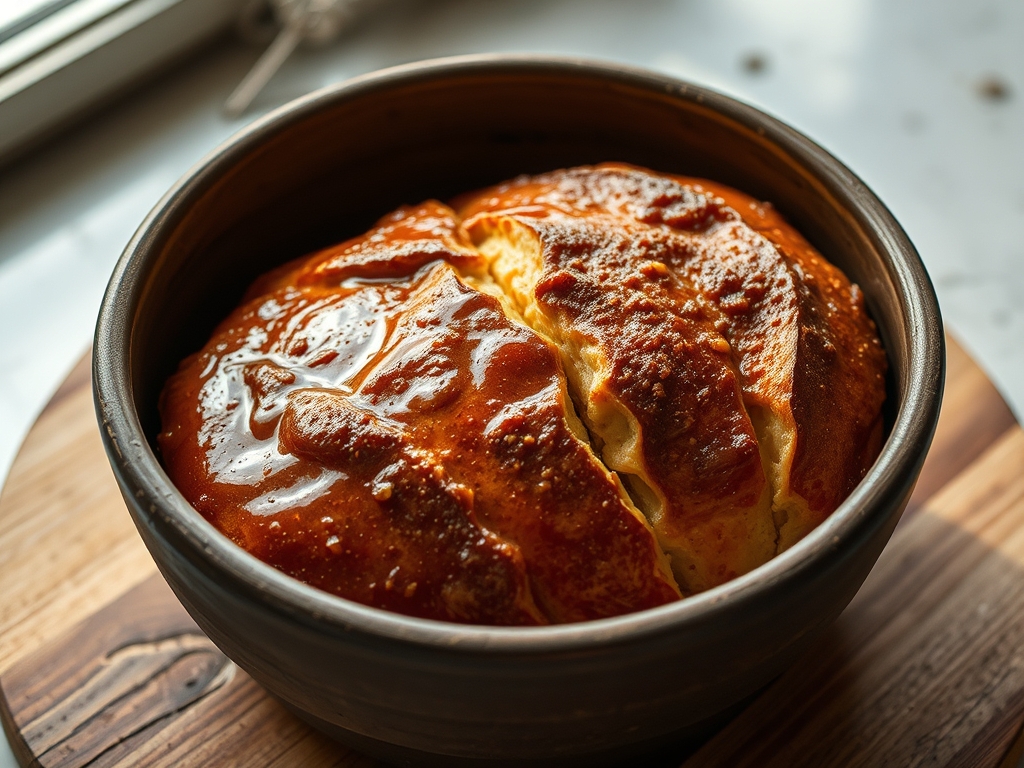
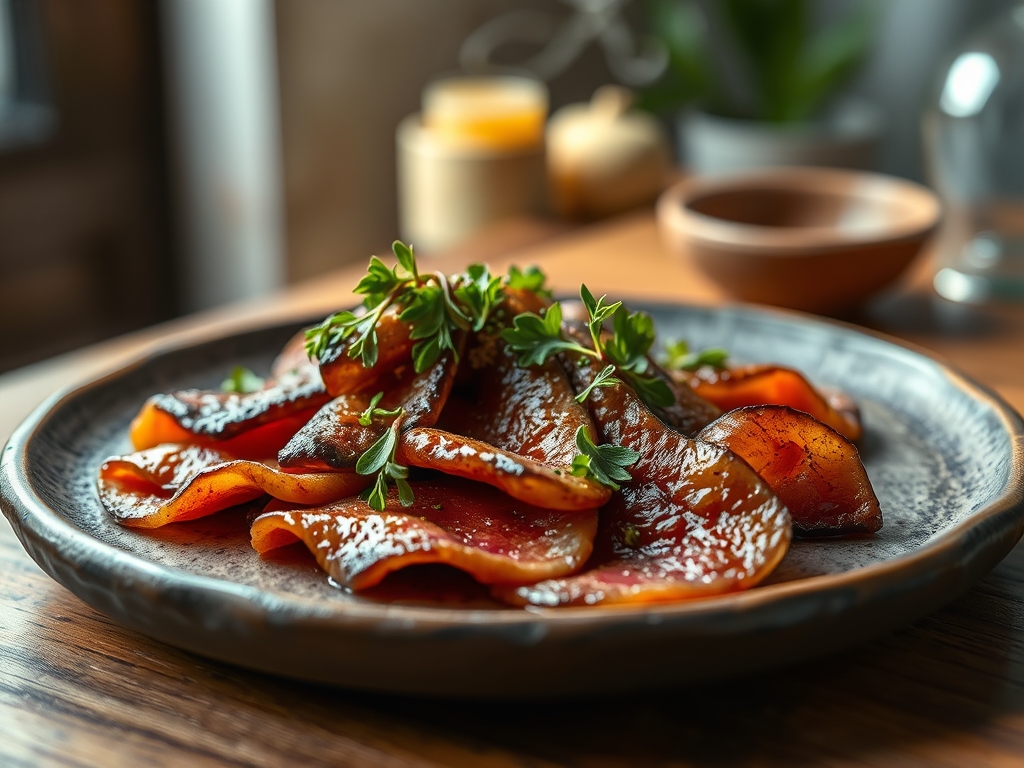
Imagine the scent of high-grade lipids hitting a screaming-hot cast iron surface; it is the olfactory equivalent of a thunderclap. We are not here to stew or braise. We are here to perform a surgical strike on a prime cut of beef. The goal is a Seared Beef Carpaccio that defies the standard definition of raw. We want a crust so thin it is measured in microns, yet so flavorful it anchors the entire plate. This is the ultimate paradox of the culinary world: applying maximum heat to achieve a result that remains fundamentally cool. You are looking for that perfect transition from a mahogany exterior to a ruby-red, velvet interior. It requires more than just a recipe; it requires an understanding of thermal conductivity and the precise moment of protein denaturation. Forget the limp, gray slices found in mediocre bistros. We are building a structural masterpiece of flavor, texture, and temperature. This is high-stakes cooking where a five-second delay is the difference between a Michelin-star caliber appetizer and a lukewarm tragedy. Strap in; we are auditing your kitchen for peak performance.
THE DATA MATRIX
| Metric | Specification |
|---|---|
| Prep Time | 20 Minutes (plus 2 hours chilling) |
| Execution Time | 4 Minutes |
| Yield | 4 Servings |
| Complexity (1-10) | 7 |
| Estimated Cost per Serving | $12.00 – $18.00 |
THE GATHERS
Ingredient Protocol:
- Center-Cut Beef Tenderloin: 500g / 1.1 lbs
- Kosher Salt: 15g / 1 tbsp
- Coarsely Cracked Black Peppercorns: 10g / 2 tsp
- High-Smoke Point Oil (Grapeseed or Avocado): 30ml / 2 tbsp
- Extra Virgin Olive Oil: 45ml / 3 tbsp
- Fresh Lemon Juice: 15ml / 1 tbsp
- Capers (Drained and Patted Dry): 30g / 2 tbsp
- Parmigiano-Reggiano (Shaved): 50g / 1.75 oz
- Wild Arugula: 50g / 2 cups
- Dijon Mustard: 5ml / 1 tsp
Section A: Ingredient Quality Audit:
The primary failure point in Seared Beef Carpaccio is moisture. If your beef has been sitting in a vacuum-sealed bag, it is likely sitting in a pool of myoglobin. This excess liquid is the enemy of the Maillard reaction. Technical Fix: Remove the beef from the packaging and pat it aggressively dry with lint-free towels. Place it on a wire rack in the refrigerator for at least one hour to air-dry the surface. If your capers are too salty, they will overwhelm the delicate beef. Technical Fix: Rinse them in a fine-mesh strainer and flash-fry them in a small saucier to transform their texture from soft to crunchy, which adds a necessary structural contrast to the dish.
THE MASTERCLASS
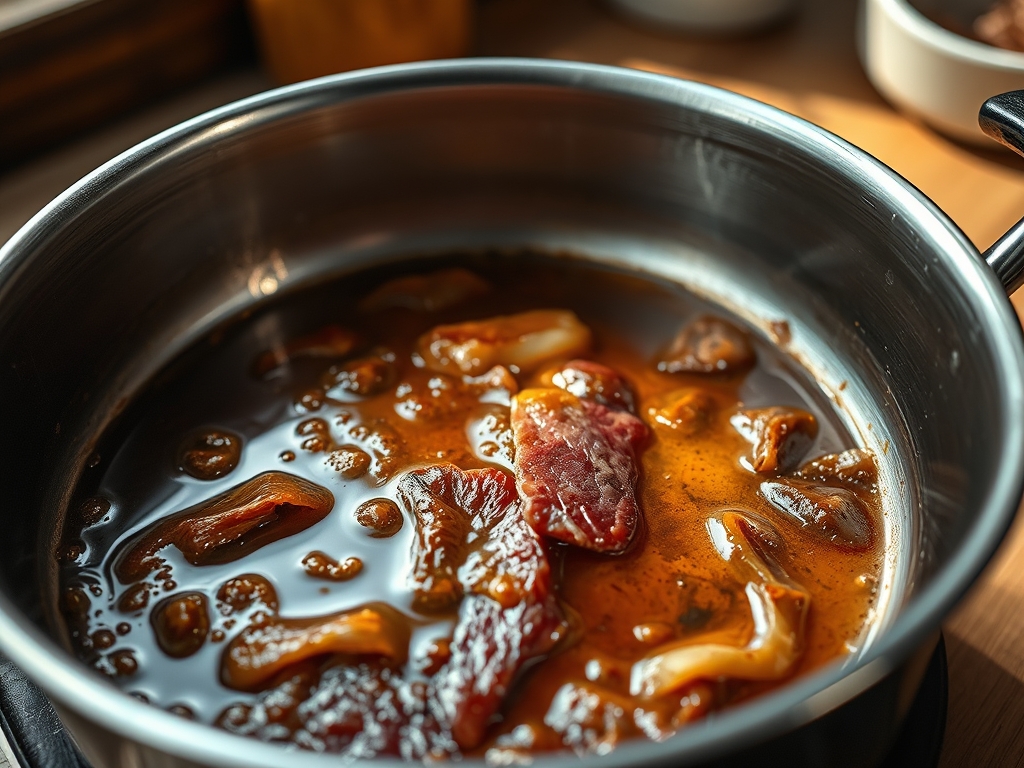
1. The Surface Preparation
Before the heat even touches the meat, you must create a friction layer. Season the beef aggressively with salt and cracked pepper. Use a digital scale to ensure your salt ratio is exactly 1.5 percent of the meat's weight. Press the seasoning into the flesh so it adheres during the high-heat transition.
Pro Tip: Salt acts as a denaturant. By seasoning 30 minutes before searing, you allow the salt to dissolve into a brine that re-absorbs into the muscle fibers, seasoning the meat deeply while keeping the surface dry for a better crust.
2. The Thermal Shock
Heat a heavy-bottomed cast iron skillet until it reaches 450 degrees Fahrenheit. Use an infrared thermometer to verify the surface temperature. Add your high-smoke point oil. Place the beef in the pan and sear for exactly 45 to 60 seconds per side. You are looking for a dark brown crust, not a deep cook.
Pro Tip: This is a "blue" sear. The goal is to render the surface fats and trigger the Maillard reaction without allowing the heat to penetrate more than two millimeters into the core. Use a bench scraper to help flip the meat without piercing the surface and losing precious juices.
3. The Cryo-Stabilization
Immediately remove the beef from the pan and plunge it into an ice bath or place it in the coldest part of your freezer for 15 minutes. This stops the residual heat from creeping toward the center. Once chilled, wrap it tightly in plastic wrap, shaping it into a perfect cylinder.
Pro Tip: Cold meat is structurally sound. Attempting to slice a warm tenderloin will result in ragged, torn edges. Chilling firms the fats and proteins, allowing for the paper-thin precision required for an elite carpaccio presentation.
4. The Precision Slice
Using a razor-sharp slicing knife or a manual meat slicer, cut the beef into translucent rounds. If using a knife, use a long, singular drawing motion rather than a sawing motion. Lay the slices onto chilled plates, slightly overlapping them to create a visual scale effect.
Pro Tip: If your slices are too thick, place them between two sheets of parchment paper and gently mallet them. This will aerate the texture and ensure the beef melts on the tongue rather than requiring significant mastication.
5. The Emulsion Integration
In a small bowl, whisk the lemon juice, Dijon, and olive oil until the mixture is viscous and fully emulsified. Drizzle this piquant dressing over the beef. Top with the shaved cheese, fried capers, and arugula.
Pro Tip: Do not over-dress. The acid in the lemon juice will eventually "cook" the beef like a ceviche. Apply the dressing seconds before serving to maintain the vibrant ruby color of the raw interior.
Section B: Prep & Timing Fault-Lines:
The most common human error is the "Panic Flip." If you move the meat too early, the proteins will stick to the pan and tear. Fix: Wait for the meat to naturally release from the surface. Another timing error is the "Resting Gap." If the beef sits at room temperature too long after searing, the internal temperature will rise, turning your carpaccio into a roast beef salad. Use a timer and move straight to the cooling phase.
THE VISUAL SPECTRUM
Section C: Thermal & Visual Troubleshooting:
Referencing the Masterclass photo, your beef should exhibit a distinct "halo" effect. This is a thin, dark outer ring surrounding a perfectly uniform pink center. If your beef looks gray throughout, your pan was not hot enough, causing the meat to boil in its own juices rather than sear. If the meat looks dull or brownish-purple, it has oxidized. Fix: Always slice the beef immediately before service. To fix uneven browning, ensure the meat is a uniform cylindrical shape before it hits the pan; use kitchen twine to tie the tenderloin if necessary to ensure total surface contact with the heat.
THE DEEP DIVE
Macro Nutrition Profile
A standard serving of Seared Beef Carpaccio is a protein powerhouse. It contains approximately 250 calories, 30g of protein, 14g of fat, and nearly zero carbohydrates. It is rich in bioavailable iron, B12, and zinc. The addition of olive oil provides heart-healthy monounsaturated fats.
Dietary Swaps
- Vegan: Substitute the beef with salt-baked, thinly sliced beets or smoked watermelon. Use nutritional yeast or vegan parmesan for the salty finish.
- Keto: This dish is naturally keto-compliant. Increase the olive oil drizzle to boost healthy fat macros.
- Gluten-Free: Ensure your Dijon mustard is certified GF, as some brands use flour as a thickener.
Meal Prep & Reheating Science
Do not reheat this dish. Applying heat will destroy the molecular structure of the carpaccio and turn it into a rubbery, overcooked mess. For meal prep, you can sear and freeze the beef log for up to two weeks. Thaw it slightly in the fridge for 30 minutes before slicing to maintain the perfect texture.
THE KITCHEN TABLE
Why is my beef tough even when sliced thin?
You likely cut with the grain rather than against it. Locate the muscle fibers and slice perpendicular to them. This shortens the fibers, making the meat tender.
Can I use a different cut like Flank or Sirloin?
Tenderloin is preferred for its lack of connective tissue. If using sirloin, you must trim every bit of silver skin and gristle, or the raw texture will be unpleasant.
How do I get those perfect cheese curls?
Use a vegetable peeler on a room-temperature block of Parmigiano-Reggiano. Cold cheese snaps; slightly warm cheese curls into the beautiful ribbons seen in professional plating.
Is it safe to eat the raw center?
Yes, provided you use high-quality, fresh beef. The searing process kills surface bacteria, which is where most contamination occurs. Always source your meat from a reputable butcher.