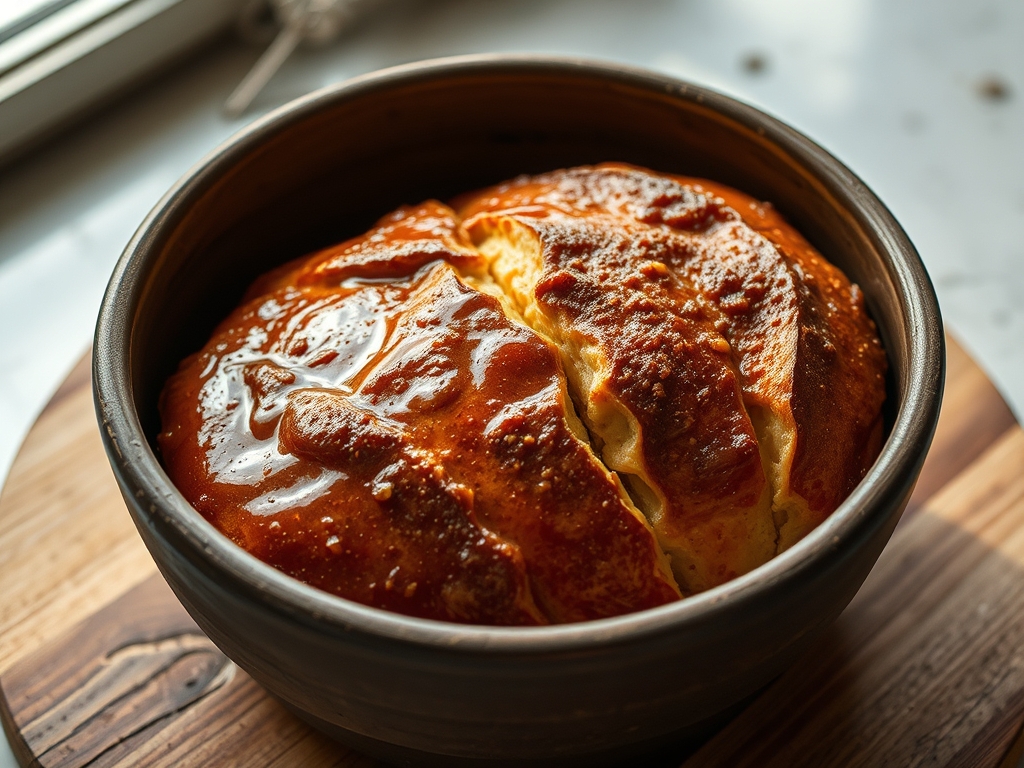
Welcome to the high stakes arena of lipid management where the margin between a crumbly masterpiece and a leaden disc of disappointment is measured in microns. We are not just baking; we are conducting a structural audit of the most prestigious pastry format in the repertoire: Hand Formed Shortbread. This is a visceral pursuit of the perfect snap. Imagine the scent of toasted butter solids colliding with the cold, sterile air of a professional pastry station. You are looking for that specific, golden hue that signals a successful Maillard reaction without crossing the threshold into carbonization. The texture must be defiant. It should resist the initial bite before surrendering into a sandy, melt-on-the-tongue dissolution that coats the palate in high-quality milk fats. If your shortbread feels like a weapon or, conversely, a pile of dust, your infrastructure has failed. We are here to recalibrate your technique, optimize your ingredient ratios, and ensure your shortbread achieves the status of a structural marvel. Lock your stations; the audit begins now.
THE DATA MATRIX
| Metric | Specification |
|---|---|
| Prep Time | 20 Minutes |
| Execution Time | 35 Minutes |
| Yield | 24 Biscuits |
| Complexity (1-10) | 4 |
| Estimated Cost per Serving | $0.45 |
THE GATHERS
Ingredient Protocol:
- 225g / 1 cup High-Fat European Butter (Minimum 82 percent butterfat)
- 100g / 0.5 cup Superfine Caster Sugar
- 300g / 2.5 cups All-Purpose Flour (Low protein preferred)
- 2g / 0.5 tsp Flaked Sea Salt
- 5ml / 1 tsp Pure Madagascar Vanilla Bean Paste
- 15g / 1 tbsp Cornstarch (for structural porosity)
Section A: Ingredient Quality Audit:
The primary failure point in Hand Formed Shortbread is the water content of the butter. Standard grocery store butter often contains up to 18 percent water; this moisture triggers gluten development, turning your delicate shortbread into a chewy breadstick. The fix is to source European-style butter with higher fat concentrations. If your flour feels gritty or heavy, it likely has a high protein content. Offset this by replacing 10 percent of the flour volume with cornstarch to aerate the crumb. If your sugar is too coarse, it will not dissolve during the brief bake time, resulting in a speckled, pock-marked surface. Pulse your sugar in a spice grinder for ten seconds to achieve the necessary fineness before beginning the cream phase.
THE MASTERCLASS
Step 1: The Lipid Emulsification
Begin by bringing your butter to exactly 18 degrees Celsius. Use a digital scale to weigh your sugar and butter into a chilled mixing bowl. Cream the mixture until it is pale and light, but do not over-work it. We are looking to incorporate air without generating friction heat that would melt the fat.
Pro Tip: Use a saucier or a small pot to gently warm the butter if it is too cold, but never let it reach a liquid state. The science here is "plasticity"; the butter must be malleable enough to trap air bubbles but firm enough to hold its shape.
Step 2: The Dry Integration
Sift your flour, cornstarch, and salt through a fine-mesh sieve twice. This ensures even distribution of the leavening properties of air. Fold the dry ingredients into the butter mixture using a bench scraper. Use a "cut and fold" motion to avoid over-working the dough. Stop the moment the mixture resembles coarse wet sand.
Pro Tip: Over-mixing at this stage is the death of shortbread. By using a bench scraper, you minimize hand contact, which prevents body heat from melting the delicate fat crystals before they hit the oven.
Step 3: Manual Compression and Shaping
Turn the crumbly mixture onto a cool marble surface. This is where the Hand Formed Shortbread earns its name. Use the heels of your hands to gently push the dough away from you in a motion called "fraisage." This smears the fat into thin layers, creating a laminated effect that results in a superior snap.
Pro Tip: If the dough feels viscous or sticky, your ambient kitchen temperature is too high. Flash-chill the dough in the freezer for five minutes to stabilize the lipids before proceeding with the final shaping.
Step 4: Thermal Application
Shape the dough into a rectangular block and slice into 1-cm thick batons. Place them on a perforated silicone mat. Bake at 160 degrees Celsius (325 degrees Fahrenheit) for 30 to 35 minutes. You are not looking for a dark brown; you want a pale, sandy gold that indicates the starches have gelatinized and the moisture has evaporated.
Pro Tip: Use an oven thermometer to verify your internal calibration. Even a five-degree variance can cause the butter to render out of the dough too quickly, leaving you with a greasy puddle instead of a crisp biscuit.
Section B: Prep & Timing Fault-Lines:
Timing is the silent killer in pastry. If you leave the dough sitting at room temperature for more than fifteen minutes after shaping, the butter will lose its crystalline structure. This results in a "slumped" appearance in the oven. Conversely, if you bake the dough straight from a deep freeze, the exterior will brown while the interior remains raw and doughy. The "Goldilocks Zone" is a chilled dough (roughly 4 degrees Celsius) entering a fully preheated oven. Always calibrate your workflow to ensure the oven reaches the target temperature at least twenty minutes before the dough is ready for insertion.
THE VISUAL SPECTRUM
Section C: Thermal & Visual Troubleshooting:
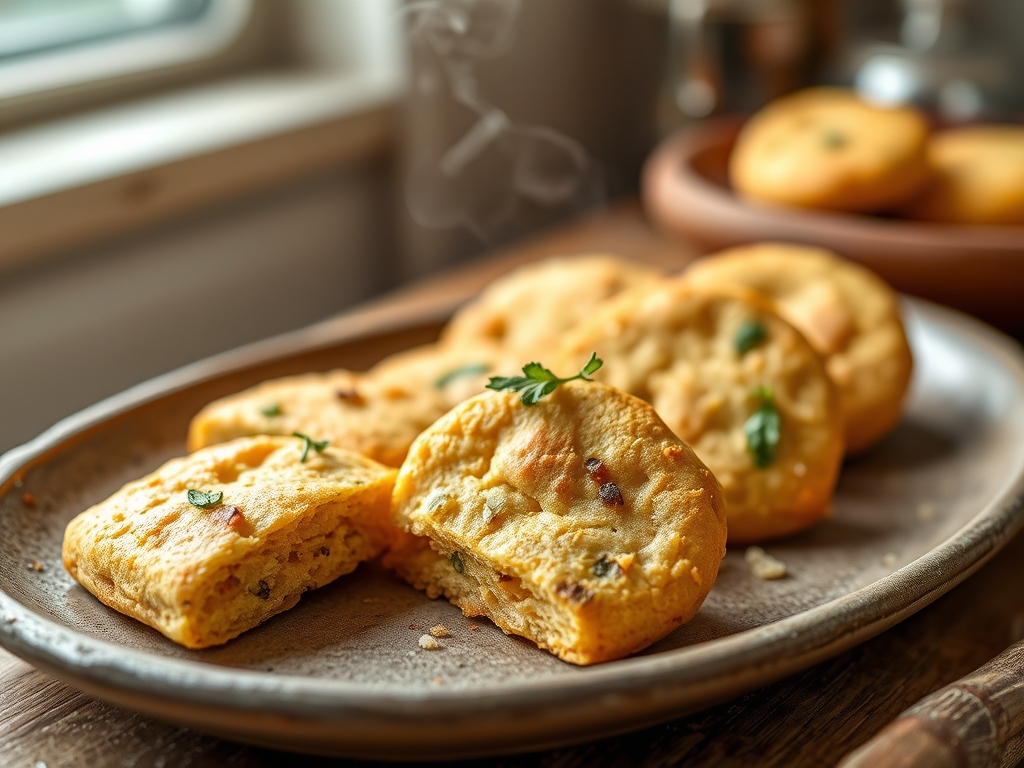
Referencing the Masterclass photo, notice the sharp edges and the uniform, pale-gold surface. If your shortbread exhibits "rounded" or melted edges, your fat-to-flour ratio was skewed or the oven was too cool. If the bottom is dark but the top is white, your baking sheet is too thin; switch to a heavy-gauge aluminum pan to distribute heat more effectively. A dull, matte finish usually indicates a lack of sugar dissolution; ensure you are using superfine sugar to achieve that slight, crystalline shimmer. If the texture is "glassy" rather than "sandy," you likely over-creamed the butter, trapping too much air which then collapsed during the bake.
THE DEEP DIVE
Macro Nutrition Profile:
A single serving of this Hand Formed Shortbread contains approximately 150 calories, 9g of fat, 16g of carbohydrates, and 1g of protein. It is a lipid-dense fuel source designed for sensory satisfaction rather than caloric restriction.
Dietary Swaps:
For a Vegan conversion, utilize a high-quality plant-based butter block with a high coconut oil content to mimic the saturated fat behavior of dairy. For Gluten-Free requirements, a blend of rice flour and almond flour provides the necessary "short" texture without the elasticity of wheat. For Keto, replace sugar with erythritol and flour with superfine almond flour, though the "snap" will be significantly softer.
Meal Prep & Reheating Science:
Shortbread is incredibly stable due to its low water activity. Store in an airtight glass container to prevent the fats from absorbing ambient kitchen odors. To "refresh" the molecular structure of older biscuits, place them in a 150-degree Celsius oven for three minutes. This slightly softens the fats and releases the volatile aromatic compounds trapped in the crumb.
THE KITCHEN TABLE
Why is my shortbread so crumbly it falls apart?
You likely lacked sufficient "fraisage" or manual compression. While the dough should be short, it needs enough physical pressure to create a cohesive lipid-starch bond. Ensure you are firmly pressing the dough during the shaping phase.
Can I add liquid flavorings like lemon juice?
Avoid adding water-based liquids as they trigger gluten. Instead, infuse your sugar with lemon zest or use oil-based extracts. This maintains the "short" texture while providing a piquant aromatic profile without compromising the structural integrity of the biscuit.
Does the type of salt really matter?
Yes. Large flakes of sea salt provide "flavor bursts" that contrast the richness of the butter. Fine table salt distributes too evenly, potentially making the entire batch taste metallic. The goal is a sophisticated balance of fat and mineral.
Why did my shortbread spread into a pancake?
Your butter was likely too soft during the mixing phase or you used a "spread" instead of real butter. High water content or high room temperatures destroy the structural walls of the dough before the flour can set.