The scent of scorched flour and blooming yeast is the siren song of a kitchen operating at peak mechanical efficiency. We are not here to bake mere snacks; we are here to engineer structural masterpieces of dough. When you engage with Hand Twisted Breadsticks, you are manipulating a complex biological system. You are coaxing a dormant fungus into a frenzy of carbon dioxide production while simultaneously weaving a protein lattice that must remain supple enough to coil yet rigid enough to snap. This is the audit of the crunch. We are looking for that perfect ratio of golden-brown crust to airy, honeycomb interior. If your sticks look like limp noodles or taste like cardboard, your infrastructure has failed. We demand high-torque gluten development and a Maillard reaction so aggressive it borders on the sublime. Prepare your workstation for a rigorous assessment of hydration levels and torsional stress. We are about to transform raw, viscous slurry into the gold standard of artisanal bakery architecture. Strap in; the oven is preheating.
THE DATA MATRIX
| Metric | Specification |
|---|---|
| Prep Time | 25 Minutes |
| Execution Time | 15 Minutes |
| Yield | 16-20 Units |
| Complexity (1-10) | 6 |
| Estimated Cost per Serving | $0.45 |
THE GATHERS
Ingredient Protocol:
- 500g / 4 cups All-Purpose Flour (11.5% protein minimum)
- 325ml / 1.3 cups Filtered Water (at 38C / 100F)
- 7g / 2.25 tsp Active Dry Yeast
- 10g / 2 tsp Fine Sea Salt
- 30ml / 2 tbsp Extra Virgin Olive Oil
- 5g / 1 tsp Diastatic Malt Powder (Optional for enzymatic browning)
- Topping: 2g / 0.5 tsp Flaky Salt and 5g / 1 tsp Dried Rosemary
Section A: Ingredient Quality Audit:
If your yeast fails to aerate the mixture within ten minutes of hydration, your biological catalyst is compromised. Check the expiration date; old yeast is a non-starter. If the dough feels overly sticky and refuses to hold a shape, your flour likely lacks the protein density required for high-tension twisting. Fix this by incorporating a small amount of vital wheat gluten or switching to a high-protein bread flour. Water quality is often overlooked; highly chlorinated tap water can inhibit yeast activity. Use filtered water to ensure the microbial environment remains pristine. If the olive oil tastes bitter or rancid, it will infuse the dough with off-notes that no amount of salt can mask. Always source cold-pressed oil for the best lipid profile.
THE MASTERCLASS
1. Hydration and Autolyse
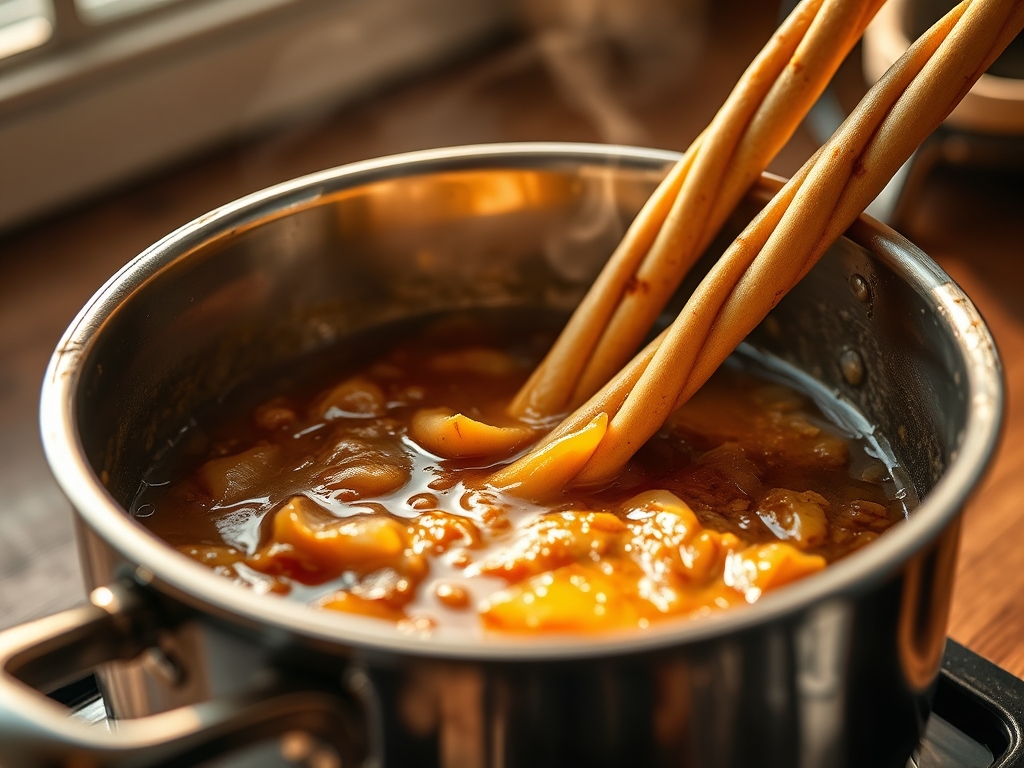
Combine your filtered water and yeast in the bowl of a stand mixer. Allow it to bloom until a frothy layer forms. Add the flour and malt powder, mixing until a shaggy mass forms. Let this sit for 20 minutes.
Pro Tip: This resting period allows the flour to fully hydrate before mechanical kneading begins. Use a digital scale to ensure your hydration ratio is exactly 65 percent; precision is the enemy of failure.
2. Mechanical Kneading and Lipid Integration
Add the salt and olive oil. Engage the dough hook on medium speed for 8 minutes until the dough is smooth, elastic, and clears the sides of the bowl.
Pro Tip: The oil acts as a lubricant for the gluten strands. By adding it after the initial hydration, you ensure the protein bonds form before the lipids can coat them. Use a bench scraper to check for the "windowpane" effect.
3. Primary Fermentation
Place the dough in a lightly oiled container. Cover and let it rise in a draft-free environment at 24C (75F) until doubled in volume.
Pro Tip: Temperature control is a critical variable. If your kitchen is cold, the yeast will sluggishly render sugars into gas. A pro-level move is to use a fermentation box or a proofing setting on your oven to maintain a constant thermal state.
4. Torsional Shaping
Degas the dough and roll it into a rectangle. Use your bench scraper to cut strips approximately 2cm wide. Hold one end and roll the other to create the signature Hand Twisted Breadsticks spiral.
Pro Tip: This twisting action creates tension in the gluten, which helps the breadstick maintain its height in the oven rather than flattening out. This is the "torque" in the gluten network.
5. The Thermal Blast
Arrange on a parchment-lined sheet. Brush with a light water wash and sprinkle with rosemary and salt. Bake at 220C (425F) for 12 to 15 minutes.
Pro Tip: For maximum crunch, use a baking stone or a heavy-duty steel plate. This provides an immediate heat transfer to the bottom of the dough, causing a rapid "oven spring" that locks in the internal structure.
Section B: Prep & Timing Fault-Lines:
The most common failure in timing is the "rushed proof." If you shape the dough before it has doubled, the interior will be dense and gummy rather than light and crisp. Conversely, over-proofing leads to a collapse of the gas bubbles, resulting in flat, sad sticks. If your kitchen is running hot, shorten your fermentation time. If you are prepping ahead, a cold ferment in the refrigerator for 12 hours will actually improve the flavor profile by allowing the yeast to produce more complex esters and acids.
THE VISUAL SPECTRUM
Section C: Thermal & Visual Troubleshooting:
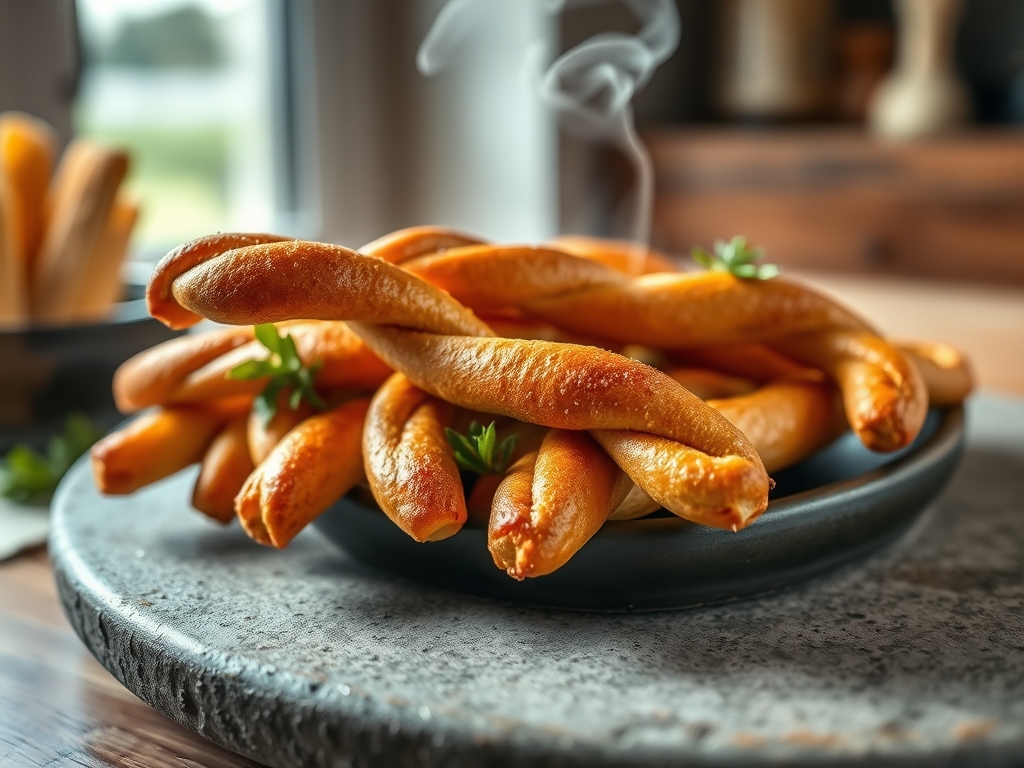
Referencing the Masterclass photo, your Hand Twisted Breadsticks should exhibit a deep, mahogany hue with distinct, lighter spirals where the dough was stretched. If your sticks are pale and soft, your oven temperature is likely calibrated too low; check it with an independent thermometer. If the sticks are dark on the bottom but raw in the middle, move your rack to a higher position. Dull color usually indicates a lack of sugars for the Maillard reaction; adding a pinch of sugar or malt powder to the dough provides the necessary fuel for browning. Uneven twisting results in "hot spots" where thin sections overbake before the thicker sections are done. Aim for geometric symmetry.
THE DEEP DIVE
Macro Nutrition Profile:
Each breadstick typically contains 120 calories, 3g of protein, 22g of carbohydrates, and 2g of fat. While they are carb-heavy, the use of olive oil provides heart-healthy monounsaturated fats.
Dietary Swaps:
- Vegan: This recipe is naturally vegan. Ensure your topping wash is water or oil-based rather than an egg wash.
- Keto: Replace wheat flour with a blend of almond flour, vital wheat gluten, and xanthan gum. Note that the texture will be significantly denser.
- Gluten-Free: Use a high-quality GF bread flour blend containing psyllium husk to mimic the elasticity of gluten.
Meal Prep & Reheating Science:
To maintain the molecular integrity of the crunch, never microwave a breadstick. Microwaves excite water molecules, leading to a soggy, rubbery texture. Instead, reheat in a 175C (350F) oven for 5 minutes. This evaporates surface moisture and re-crisps the crust. For long-term storage, flash-freeze the raw, shaped twists on a tray, then bag them. Bake directly from frozen, adding 3 minutes to the total time.
THE KITCHEN TABLE
Why are my breadsticks snapping during the twist?
Your dough is likely too dry or under-hydrated. The gluten lacks the elasticity to stretch. Increase your water content by 5 percent or allow the dough to rest longer to relax the protein bonds before shaping.
Can I add cheese inside the twist?
Absolutely. Laminate finely grated Parmesan into the dough during the final fold. Note that the fats in the cheese will soften the final crumb slightly, so bake them for an extra minute to ensure a crisp exterior.
What is the purpose of the water wash?
Water on the surface delays the setting of the crust. This allows the breadstick to expand fully before the exterior hardens, resulting in a lighter texture and a more pronounced "shatter" when you bite into it.
My breadsticks are chewy rather than crunchy. Why?
Chewiness is a sign of high moisture retention. You likely pulled them from the oven too early. Ensure they reach a deep golden brown. For an ultra-dry snap, turn off the oven and leave them inside for five minutes.