Listen to the sound of a blade slicing through a perfectly set custard. It is not a squelch; it is a crisp, architectural snap followed by the sigh of steam escaping a dense, savory cloud. We are not merely baking breakfast here. We are conducting a structural audit of the Rustic Quiche Base, the literal foundation of brunch excellence. Most home cooks treat the crust as a mere vessel, a ceramic-adjacent container for eggs. That is a tactical error of the highest order. A true Rustic Quiche Base is a masterclass in lipid-to-starch ratios and thermal management. It must be sturdy enough to withstand the hydraulic pressure of a heavy cream custard, yet delicate enough to shatter into buttery shards upon impact with the palate. We are looking for a golden-brown finish that suggests a deep Maillard reaction, providing a nutty counterpoint to the silky, piquant interior. This is culinary infrastructure at its finest. Forget soggy bottoms and weeping fillings. We are building a fortress of flavor.
THE DATA MATRIX
| Metric | Specification |
|---|---|
| Prep Time | 45 Minutes (Excluding Chilling) |
| Execution Time | 55 Minutes |
| Yield | 1 x 9-inch Deep Dish Quiche (8 Servings) |
| Complexity | 7/10 |
| Estimated Cost per Serving | $1.85 |
THE GATHERS
Ingredient Protocol:
- 250g / 2 cups All-Purpose Flour (Chilled)
- 150g / 10 tbsp Unsalted Butter (Frozen and Cubed)
- 5g / 1 tsp Fine Sea Salt
- 60ml / 4 tbsp Ice Water (Filtered)
- 5 Large Eggs (Approximately 250ml / 1 cup volume)
- 300ml / 1.25 cups Heavy Cream (Minimum 36% Milkfat)
- 200g / 2 cups Gruyere Cheese (Freshly Grated)
- 150g / 1 cup Leeks (Cleaned and Sliced)
- 100g / 0.75 cup Thick-Cut Bacon (Diced)
- 2g / 0.5 tsp Freshly Grated Nutmeg
Section A: Ingredient Quality Audit:
If your flour has been sitting in a humid pantry, it will be heavy and prone to clumping. Sift it twice to aerate the particles and ensure even hydration. If your butter is too soft, it will emulsify into the flour rather than creating the distinct layers needed for a flaky Rustic Quiche Base. The fix: freeze your cubed butter for twenty minutes before use. For the custard, if your cream is "ultra-pasteurized," it may lack the depth of flavor found in standard pasteurized varieties. Offset this by adding a teaspoon of creme fraiche to infuse the mixture with a subtle tang. Finally, never use pre-shredded cheese. The cellulose coating prevents proper melting and creates a grainy texture in the finished product.
THE MASTERCLASS
1. The Lipid Integration
Combine your chilled flour and salt in a large stainless steel bowl. Using a bench scraper, cut the frozen butter into the flour until the pieces are the size of small peas. You are looking for a heterogeneous mixture where the butter remains cold and distinct.
Pro Tip: This process is about preventing gluten development. By keeping the butter cold, you ensure that as it melts in the oven, it releases steam to create air pockets. A digital scale is mandatory here; guessing weights leads to structural failure.
2. Hydration and Compression
Drizzle the ice water over the flour mixture one tablespoon at a time. Use a fork to toss the mixture until it just begins to clump. Turn it out onto a cold surface and use the heel of your hand to smear the dough away from you once or twice. This technique, known as fraisage, creates long streaks of butter for maximum flakiness.
Pro Tip: Over-working the dough at this stage will result in a tough, bread-like texture. Your goal is a "shaggy mass" that barely holds together before you wrap it in plastic to rest.
3. The Blind Bake Protocol
Roll the dough to a 12-inch circle and drape it over your tart pan. Trim the edges, leaving a slight overhang to account for shrinkage. Prick the bottom with a fork, line with parchment, and fill with ceramic pie weights. Bake at 200C / 400F for 15 minutes.
Pro Tip: Blind baking is non-negotiable for a Rustic Quiche Base. It creates a moisture-resistant barrier that prevents the custard from turning the crust into a soggy slurry. Professional kitchens use perforated pans to ensure even heat distribution.
4. The Aromatics and Rendering
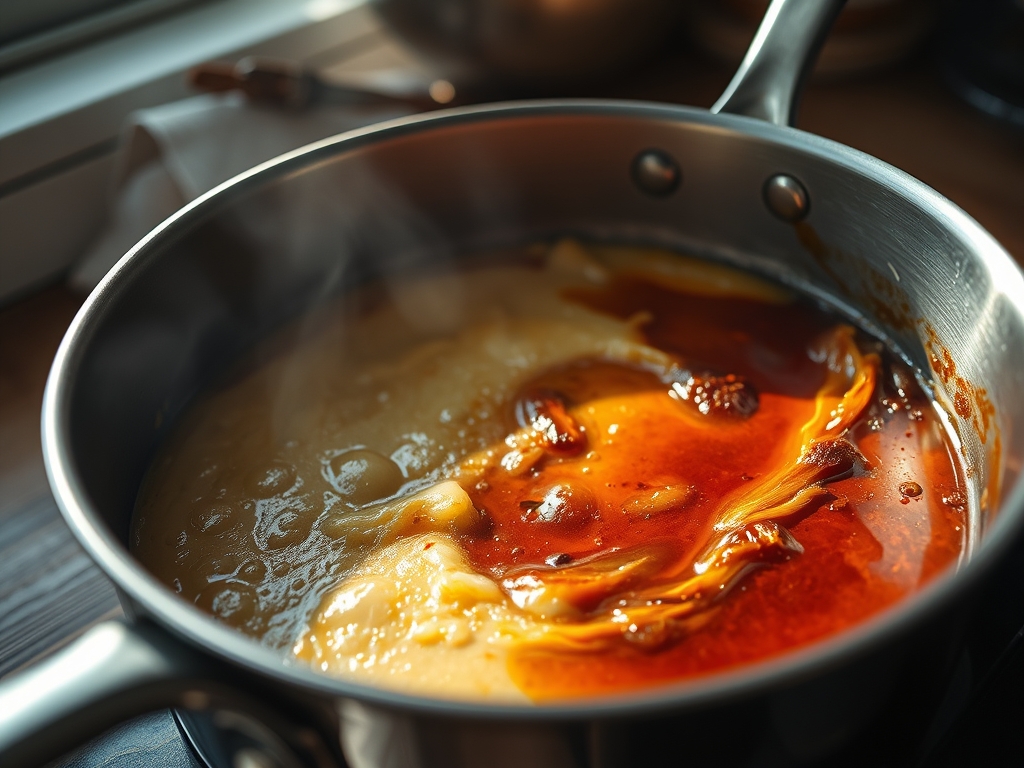
In a heavy-bottomed saucier, cook the diced bacon over medium heat to render the fat until crisp. Remove the bacon and add the sliced leeks to the fat. Sauté until translucent, then deglaze the pan with a splash of dry white wine if desired.
Pro Tip: Controlling the moisture content of your add-ins is vital. If the leeks are too wet, they will release water into the custard, causing it to "weep" or separate during the cooling process.
5. The Custard Emulsification
Whisk the eggs, heavy cream, salt, and nutmeg in a large bowl. Do not over-beat; you want to combine the ingredients without incorporating too much air, which can cause the quiche to puff up and then collapse like a failed soufflé.
Pro Tip: Use a digital scale to ensure your egg-to-cream ratio is exact. The ideal ratio is approximately one large egg to every 60ml of dairy. This ensures a viscous, velvety set that is firm yet creamy.
Section B: Prep & Timing Fault-Lines:
The most common failure point is temperature shock. If you pour hot, sautéed leeks directly into the egg mixture, you will scramble the eggs instantly. Always allow your fillings to reach room temperature before assembly. Furthermore, if you skip the dough resting period (minimum 1 hour in the fridge), the gluten will remain "angry" and the crust will shrink down the sides of the pan during baking. Patience is a technical requirement.
THE VISUAL SPECTRUM
Section C: Thermal & Visual Troubleshooting:
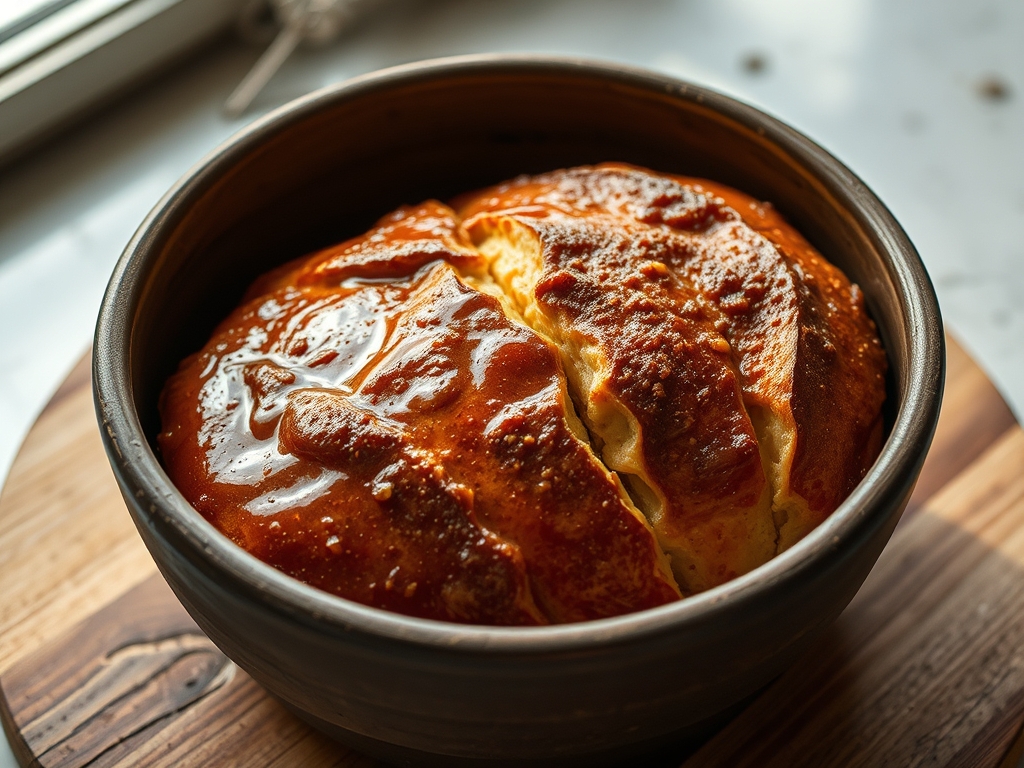
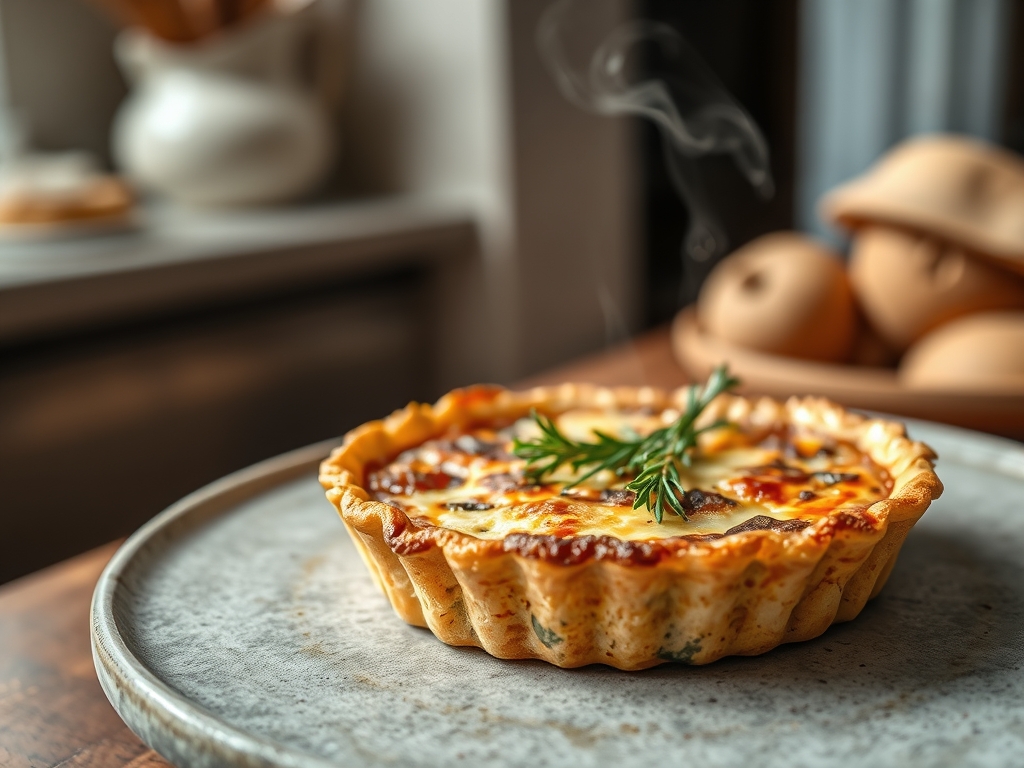
Referencing the Masterclass photo, observe the deep golden hue of the crust edges. This indicates a full bake. If your crust looks pale or "blond," it lacks the structural integrity to hold the custard. If the top of the quiche is browning too fast while the center is still liquid, tent it with foil. A dull, matte surface on the custard suggests it was overbaked; it should have a slight, satin-like sheen. If you see large bubbles on the surface, you likely incorporated too much air during the whisking phase. The ideal Rustic Quiche Base should look rugged and handcrafted, with visible flecks of butter in the crimped edges.
THE DEEP DIVE
Macro Nutrition Profile:
A single serving provides approximately 420 calories, 32g of fat, 22g of carbohydrates, and 12g of protein. The high fat content is essential for the mouthfeel and flavor transport of the aromatics.
Dietary Swaps:
For a Gluten-Free version, substitute the flour with a high-quality 1:1 almond and rice flour blend with added xanthan gum. For a Keto version, utilize a crust made of crushed pork rinds and parmesan cheese. Vegan options require a silken tofu and nutritional yeast base, though the structural "snap" of the crust will be significantly altered.
Meal Prep & Reheating Science:
To maintain the molecular structure, never microwave a quiche. The microwave vibrates water molecules, turning the crust into a rubbery mess. Reheat in a 150C / 300F oven for 15 minutes. This allows the lipids in the crust to re-liquefy and crisp up without over-coagulating the egg proteins in the custard.
THE KITCHEN TABLE
Why is my quiche leaking water?
This is usually syneresis. It happens when eggs are overcooked; the protein network tightens so much it squeezes out the liquid. Pull the quiche when the center still has a slight jiggle.
Can I use milk instead of heavy cream?
You can, but the texture will be less viscous and more like an omelet. Heavy cream provides the fat necessary to suspend the fillings and create that signature melt-in-the-mouth feel.
How do I prevent the crust from shrinking?
Rest the dough twice: once after mixing and once after fitting it into the pan. This allows the gluten to relax and the fats to re-solidify before they hit the heat.
What is the best cheese for a Rustic Quiche Base?
Gruyere is the gold standard for its melting capability and nutty profile. However, a sharp white cheddar or a salty Comté also provides excellent piquant notes that cut through the richness.