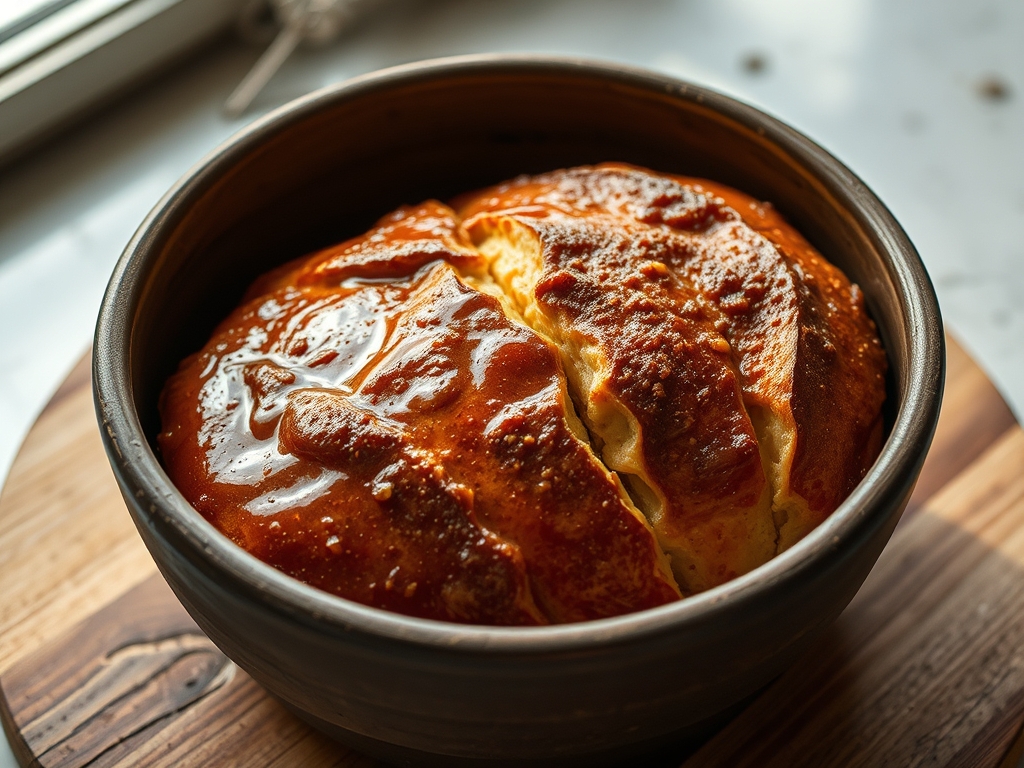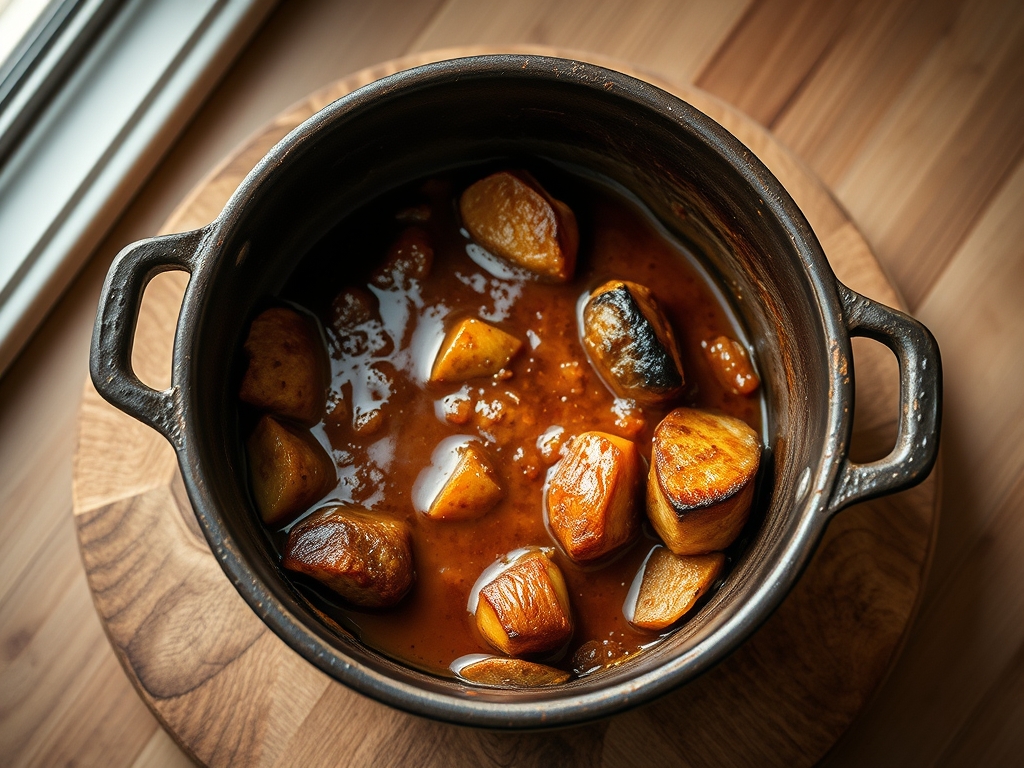
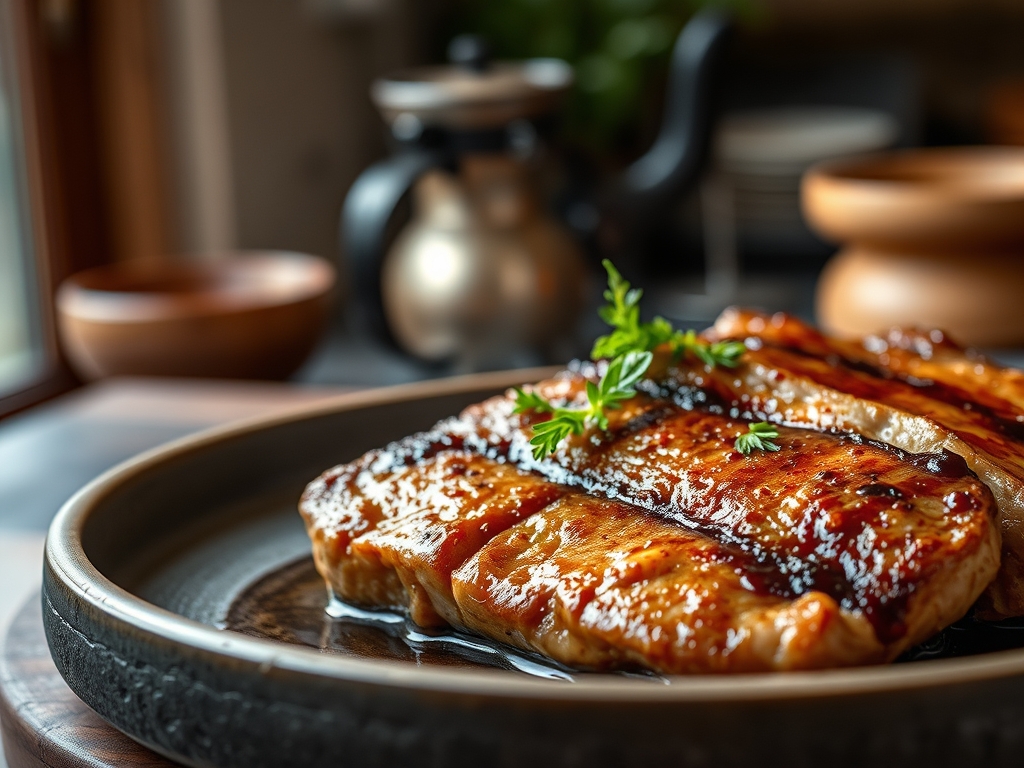
Stop treating your kitchen like a hobbyist playground and start viewing it as a high performance laboratory. The air in your galley should crackle with the scent of rendering lipids and the aggressive hiss of protein meeting preheated metal. We are not just making dinner; we are performing a Cast Iron Steak Audit to ensure your infrastructure can handle the thermal load required for a world class crust. If your current results are grey, flaccid, or lack that deep mahogany sheen, your system is failing. A perfect steak is a symphony of controlled combustion and molecular transformation. It requires more than just heat; it requires an understanding of moisture management and the kinetic energy of a heavy pan. We are chasing the Maillard reaction, that glorious chemical dance where amino acids and reducing sugars reorganize into hundreds of different flavor compounds. This is the gold standard of culinary engineering. Prepare to strip your process down to the studs and rebuild it with the precision of a master technician. Let us begin the audit.
THE DATA MATRIX
| Metric | Specification |
|---|---|
| Prep Time | 45 Minutes (Tempering + Drying) |
| Execution Time | 12 Minutes |
| Yield | 2 Servings |
| Complexity | 7/10 |
| Estimated Cost per Serving | $18.00 – $25.00 |
THE GATHERS
Ingredient Protocol:
- 2 Bone-in Ribeye Steaks (approx. 450g / 16 oz each), cut 1.5 inches thick.
- 30g / 2 tbsp High Smoke Point Oil (Avocado or Grapeseed).
- 60g / 4 tbsp Unsalted High-Fat Butter.
- 4 Garlic Cloves, smashed.
- 3 Sprigs Fresh Thyme.
- 15g / 1 tbsp Coarse Kosher Salt.
- 5g / 1 tsp Freshly Cracked Black Pepper.
Section A: Ingredient Quality Audit:
The primary failure point in most audits is moisture. If your steak arrives in a vacuum sealed bag, it is sitting in a bath of purge. Blotting it with a single paper towel is insufficient. You must dry-brine the meat on a wire rack for at least 40 minutes to allow the salt to penetrate the muscle fibers through osmosis and then dry the exterior. If the meat is too cold, the center will remain raw while the exterior carbonizes. Ensure the internal temperature has risen slightly before it hits the pan. Furthermore, using "table butter" with high water content will cause splattering and prevent a clean baste. Use European-style butter with at least 82 percent butterfat to ensure a viscous and stable foam.
THE MASTERCLASS
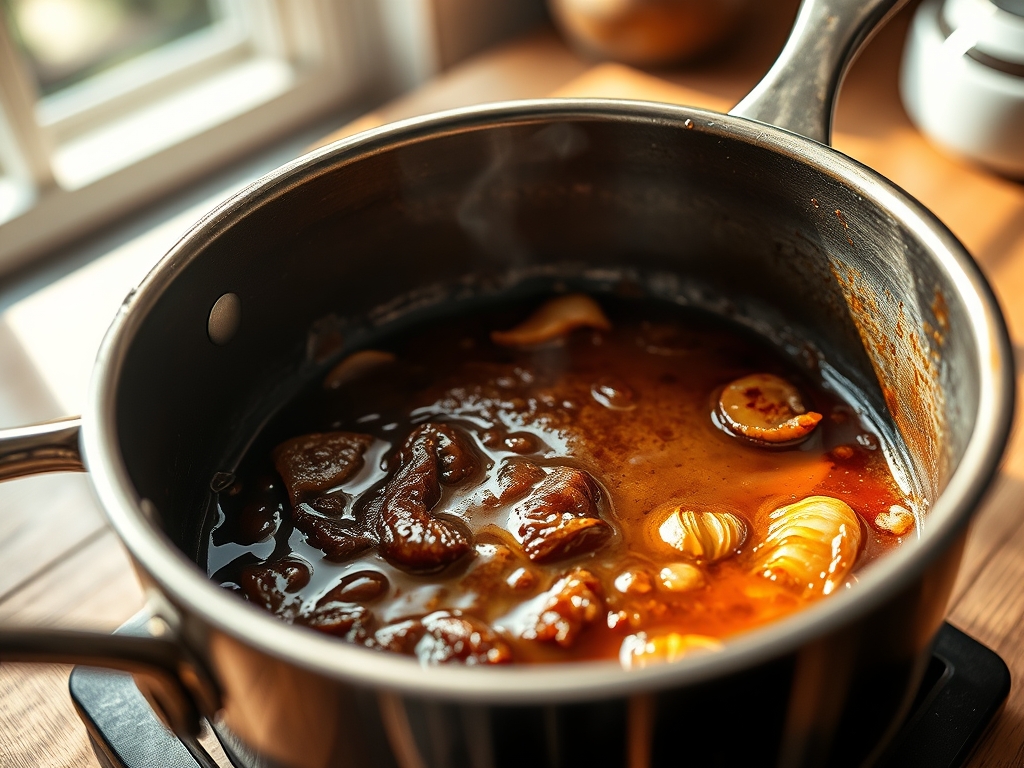
1. Thermal Loading and Surface Prep
Place your cast iron skillet over high heat until it reaches 232 degrees Celsius (450 degrees Fahrenheit). You can verify this using an infrared thermometer. Add the oil; it should shimmer and show slight wisps of smoke. This indicates the oil is ready to infuse the meat with immediate conductive heat.
Pro Tip: Use a digital scale to weigh your salt for the dry brine. Consistency is the hallmark of a professional. Precise salinity ensures the proteins denature correctly, allowing the meat to retain juices during the sear.
2. The Initial Contact and Compression
Lay the steak away from you to avoid oil splatter. Use heavy duty tongs to press the meat firmly against the iron. You want maximum surface area contact to trigger the Maillard reaction across every square millimeter of the protein. Sear for 2 to 3 minutes without moving the meat.
Pro Tip: A heavy meat press or a second smaller cast iron pan can be used to apply even pressure. This prevents the steak from curling as the connective tissues contract, ensuring a uniform crust.
3. The Flip and Aromatic Integration
Flip the steak to reveal a deep, dark crust. Immediately reduce the heat to medium-high and add the butter, garlic, and thyme. The butter will begin to foam as the water evaporates. This is the window to render any remaining edge fat by holding the steak upright with tongs.
Pro Tip: Use a saucier or a small spoon to continuously drench the steak in the hot, flavored butter. This technique, known as arroser, cooks the top of the steak while the bottom sears, creating a 360-degree heat envelope.
4. The Butter Baste and Internal Calibration
Tilt the pan so the butter pools at the bottom with the aromatics. Use a large spoon to rapidly baste the steak. The butter should be nutty and brown but not black. Continue this until a digital probe thermometer inserted into the thickest part reads 52 degrees Celsius (125 degrees Fahrenheit) for medium-rare.
Pro Tip: Always use a digital instant-read thermometer. Relying on the "poke test" is a recipe for inconsistency. Professional kitchens survive on data, not intuition.
5. The Structural Rest
Remove the steak from the pan and place it on a warm plate or wooden board. Pour the remaining pan juices over it and let it rest for at least 8 to 10 minutes. This allows the muscle fibers to relax and reabsorb the internal moisture.
Pro Tip: Use a bench scraper to clean your cutting board after slicing. It keeps your workstation pristine and ensures that no flavorful juices are wasted during the plating process.
Section B: Prep & Timing Fault-Lines:
The most common timing error is the "Panic Flip." If the meat sticks to the pan, the crust has not yet formed a structural bond. Wait. The meat will release itself once the proteins have sufficiently browned. Another fault-line is the "Cold Center Syndrome." This happens when the steak is taken directly from the refrigerator to the pan. The exterior overcooks before the interior can reach a safe or palatable temperature. Finally, skipping the rest period is a catastrophic failure; cutting into a hot steak causes the internal pressure to force all the juices out, leaving you with a dry, grey result.
THE VISUAL SPECTRUM
Section C: Thermal & Visual Troubleshooting:
Look at the Masterclass photo above. Notice the "Mahogany Shield" on the surface. If your steak looks blonde or tan, your pan temperature was too low. If it looks black and acrid, your oil hit its flash point. The aromatics should be wilted and dark but not turned to ash. If you see "Grey Banding" (a thick layer of overcooked meat under the crust), you seared for too long at too low a temperature. To fix this, increase the initial heat and decrease the total time in the pan. The goal is a razor-thin transition from the dark crust to the pink center. If the butter looks broken or greasy, you likely overheated it; ensure you add the butter only after the heat has been moderated during the second half of the cook.
THE DEEP DIVE
Macro Nutrition Profile:
A standard 16 oz Ribeye provides approximately 1,100 calories. It is a powerhouse of protein (approx. 85g) and fats (approx. 80g). It is rich in Vitamin B12, Zinc, and Selenium. The high fat content provides satiety and essential fat-soluble vitamins.
Dietary Swaps:
- Vegan: Replace the steak with a thick slab of Lion's Mane mushroom or a cauliflower "steak." Use vegan butter and a splash of soy sauce to mimic the umami profile.
- Keto: This recipe is inherently Keto-compliant. Increase the butter baste for additional healthy fats.
- GF: Ensure your salt and seasonings are certified gluten-free, though raw beef and butter are naturally safe.
Meal Prep & Reheating Science:
To maintain molecular structure when reheating, avoid the microwave. The microwave agitates water molecules, steaming the meat from the inside out and ruining the crust. Instead, reheat in a low oven (120 degrees Celsius / 250 degrees Fahrenheit) until the internal temperature reaches 43 degrees Celsius (110 degrees Fahrenheit). This preserves the medium-rare center while keeping the exterior intact.
THE KITCHEN TABLE
Why is my steak grey instead of brown?
Surface moisture is the culprit. If the steak is wet, the heat energy is spent evaporating water rather than browning the meat. This results in steaming rather than searing. Always pat the meat bone-dry before it hits the iron.
Can I use an olive oil for searing?
Extra virgin olive oil has a low smoke point and will burn, creating bitter flavors and harmful compounds. Stick to avocado oil or grapeseed oil for the initial sear to maintain a clean flavor profile and high heat stability.
What is the benefit of a bone-in steak?
The bone acts as an insulator, slowing the cooking process near the center and often resulting in a juicier finish. Additionally, marrow and connective tissue near the bone contribute to a deeper, more complex flavor profile during the sear.
How do I know when the butter is "browned" enough?
Watch the foam. When the foam subsides and you see small brown specks (milk solids) at the bottom of the pan, and the aroma turns nutty, you have reached the peak. Immediately begin basting to capture this flavor.