Stop treating your vegetables like delicate porcelain dolls and start treating them like high-performance fuel for the culinary engine. We are not here to steam them into a depressing, translucent mush that evokes memories of elementary school cafeterias. We are here to achieve the perfect Skillet Veggie Char; a process that requires precise thermal management and a blatant disregard for the fear of smoke. When you drop high-moisture cellulose into a screaming hot iron vessel, you are initiating a violent chemical transformation. You are seeking the exact moment where sugars undergo pyrolysis and amino acids collide in a frantic Maillard reaction. This is the technical infrastructure of flavor. It is the difference between a side dish that is merely tolerated and one that commands the plate with a smoky, bitter, and sweet complexity. We are engineering a contrast between a blackened, crisp exterior and a vibrant, snap-fresh interior. Strap in; we are about to recalibrate your kitchen's thermal output and turn your stovetop into a forge for botanical excellence.
THE DATA MATRIX
| Metric | Specification |
|---|---|
| Prep Time | 15 Minutes |
| Execution Time | 8 Minutes |
| Yield | 4 Servings |
| Complexity | 4/10 |
| Estimated Cost per Serving | $1.85 USD |
THE GATHERS
Ingredient Protocol:
- 500g / 1.1 lbs Broccoli florets or Brussels sprouts (halved)
- 30ml / 2 tbsp Neutral high-smoke point oil (Avocado or Grapeseed)
- 15ml / 1 tbsp Toasted sesame oil
- 5g / 1 tsp Flaky sea salt
- 3g / 0.5 tsp Freshly cracked black pepper
- 15ml / 1 tbsp Aged balsamic vinegar or viscous soy glaze
- 2 cloves / 10g Garlic, microplaned
- 1 medium / 5g Red Fresno chili, thinly sliced
Section A: Ingredient Quality Audit:
The primary failure point in Skillet Veggie Char is residual moisture. If your greens are damp from a recent rinse, they will not sear; they will steam. Use a salad spinner or a lint-free kitchen towel to ensure the surface is bone-dry. If your vegetables feel limp or "rubbery," they have lost cellular turgor pressure. To fix this, submerge them in an ice-water bath for ten minutes before drying. This rehydrates the cell walls, ensuring a crisp snap once they hit the heat. Finally, avoid extra virgin olive oil for the initial sear. Its low smoke point will result in acrid, scorched flavors rather than the clean, toasted notes we require.
THE MASTERCLASS
1. Thermal Priming of the Vessel
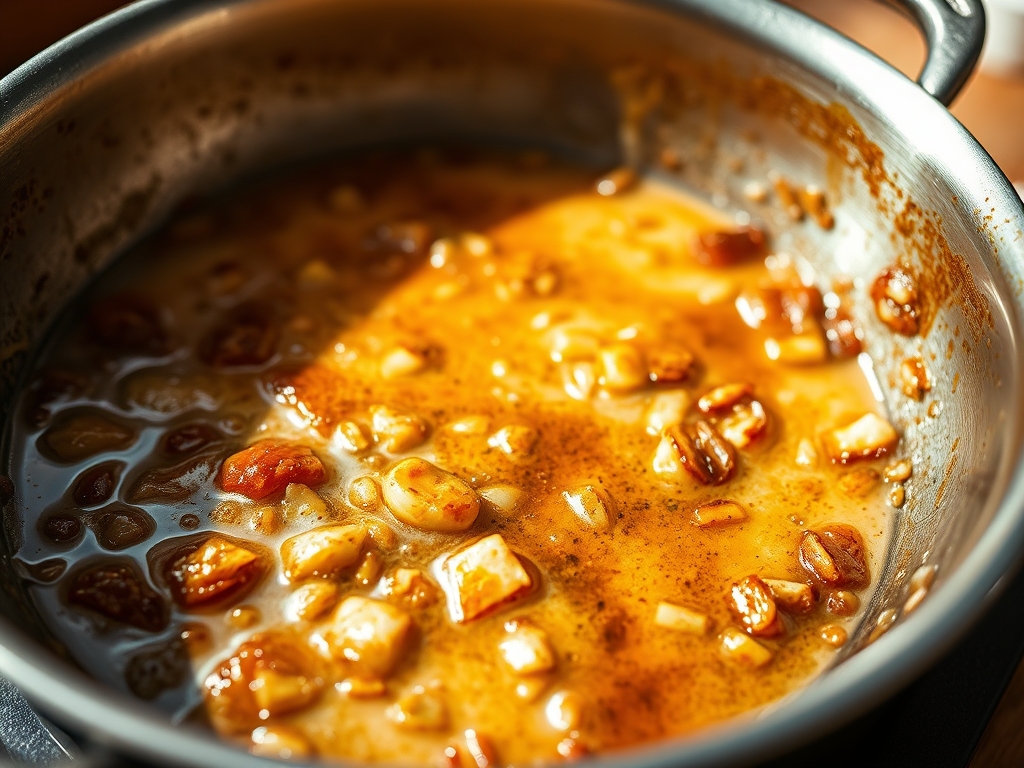
Place a heavy-bottomed cast iron skillet or a stainless steel saucier over medium-high heat. Do not add oil yet. You are looking for the Leidenfrost effect; where a drop of water flicked onto the surface beads up and dances rather than evaporating instantly. Use an infrared thermometer to verify the surface has reached at least 205C / 400F.
Pro Tip: Preheating the pan dry prevents the oil from breaking down prematurely. Using a digital scale to measure your oil ensures you provide enough lipids to conduct heat without deep-frying the produce.
2. The Lipid Application and Initial Contact
Once the pan is at temperature, add your high-smoke point oil. It should shimmer and move with the fluidity of water. Immediately add the vegetables in a single, uncrowded layer. Use a bench scraper to move them from the cutting board to the pan in one swift motion to minimize heat loss.
Pro Tip: Crowding the pan causes a massive temperature drop and traps steam. Work in batches if necessary. The goal is to render the surface moisture into steam instantly so the sugars can begin to caramelize.
3. The Controlled Neglect Phase
Do not touch the vegetables for at least three minutes. Resistance is futile and movement is the enemy of the char. You are waiting for the cellulose to undergo carbonization. Use a metal spatula to lift one piece; if it releases easily, the Maillard reaction has created a structural crust.
Pro Tip: This is where the "char" happens. If you move the food too early, you tear the delicate sugars before they have solidified into a flavorful bark. Professional chefs call this "letting the food speak to the pan."
4. Deglaze and Infuse
Once the desired char is achieved, toss the vegetables. Add the garlic, chili, and sesame oil. The residual heat will infuse the oil with aromatics without burning them. Finish by adding your viscous glaze or vinegar. The liquid will deglaze the browned bits (fond) from the bottom of the pan, coating the greens in a concentrated flavor bomb.
Pro Tip: Use the steam generated during deglazing to finish cooking the interior of the vegetable. This ensures the center is tender while the outside remains aggressively seared.
Section B: Prep & Timing Fault-Lines:
The most common human error is the "Panic Flip." When the kitchen starts to smell like toasted wood, amateur cooks often toss the pan prematurely. Trust the thermal mass of your iron. Another fault-line is the "Garlic Burn." If you add aromatics at the start, they will turn into bitter carbon nuggets long before the broccoli is done. Always add your delicate aromatics in the final 60 seconds of execution to preserve their piquant profile.
THE VISUAL SPECTRUM
Section C: Thermal & Visual Troubleshooting:
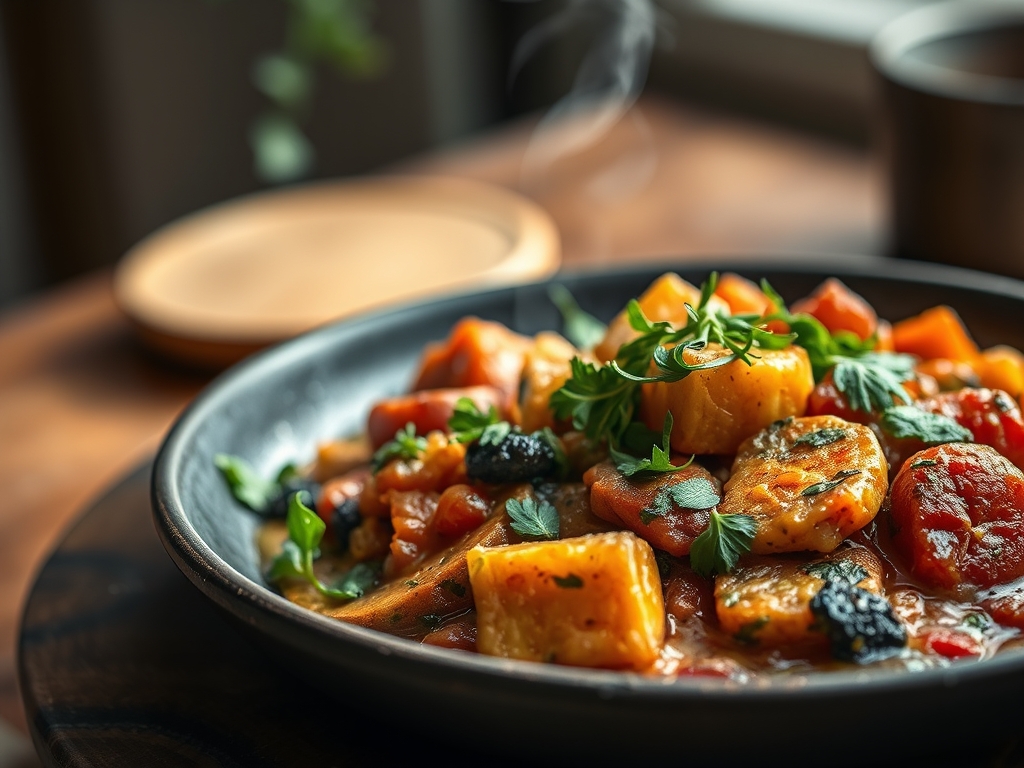
Referencing the Masterclass photo, you should see distinct "leopard spotting" on the florets; dark black edges transitioning into deep gold and then vibrant, neon green. If your vegetables look grey or dull, your heat was too low, leading to chlorophyll degradation without sugar caramelization. If they are black on the outside but raw and crunchy in the middle, your heat was too high; move the pan to a cooler burner and cover with a lid for 60 seconds to allow ambient steam to soften the core. To aerate the final presentation, toss them vigorously right before plating to ensure the glaze is thin and shimmering rather than thick and clumpy.
THE DEEP DIVE
Macro Nutrition Profile
Per serving, this dish is a micronutrient powerhouse. You are looking at approximately 120 calories, 9g of healthy fats (primarily monounsaturated), 4g of fiber, and 3g of protein. The high heat does sacrifice some Vitamin C, but it increases the bioavailability of antioxidant compounds like sulforaphane found in cruciferous greens.
Dietary Swaps
- Vegan: This recipe is inherently vegan as long as you use a plant-based glaze.
- Keto: Replace the balsamic glaze with a splash of apple cider vinegar and a pinch of monk fruit sweetener to keep the net carbs under 5g.
- GF: Ensure your soy glaze is substituted with tamari or coconut aminos.
Meal Prep & Reheating Science
To maintain the molecular structure during reheating, avoid the microwave. The microwave agitates water molecules, turning your crisp char into a soggy mess. Instead, flash-sear the leftovers in a hot, dry skillet for 2 minutes. This re-crisps the exterior while gently warming the interior through conduction.
THE KITCHEN TABLE
Why is my char bitter instead of sweet?
You likely crossed the line from Maillard reaction to total carbonization. If the vegetable is black all over rather than spotted, reduce your heat by 20 degrees next time or add the glaze sooner to halt the dry-heat process.
Can I do this with frozen vegetables?
It is possible but difficult. Frozen vegetables have compromised cell walls that leak water. You must thaw them completely and press them between paper towels to remove every drop of moisture before they hit the pan.
What is the best pan for this?
Cast iron is king. Its high thermal emissivity means it radiates heat more effectively than stainless steel, which is essential for achieving that deep, smoky Skillet Veggie Char without overcooking the center.
Do I need to par-cook the veggies?
Only for very dense items like large Brussels sprouts or carrots. A 2-minute blanch in boiling water followed by an ice bath ensures the interior is cooked through by the time the exterior reaches peak carbonization.
How do I get that restaurant shine?
The secret is a "mounting" technique. Turn off the heat and toss in a small knob of cold butter or a teaspoon of neutral oil at the very end. This creates a glossy, emulsified coating that clings to the char.