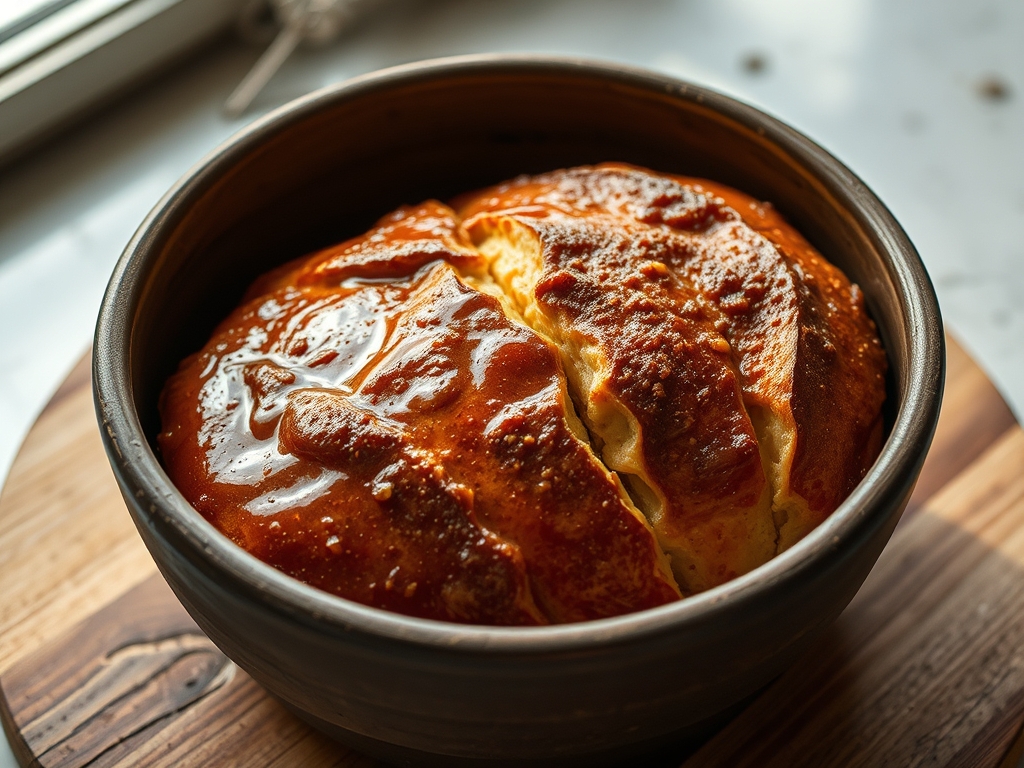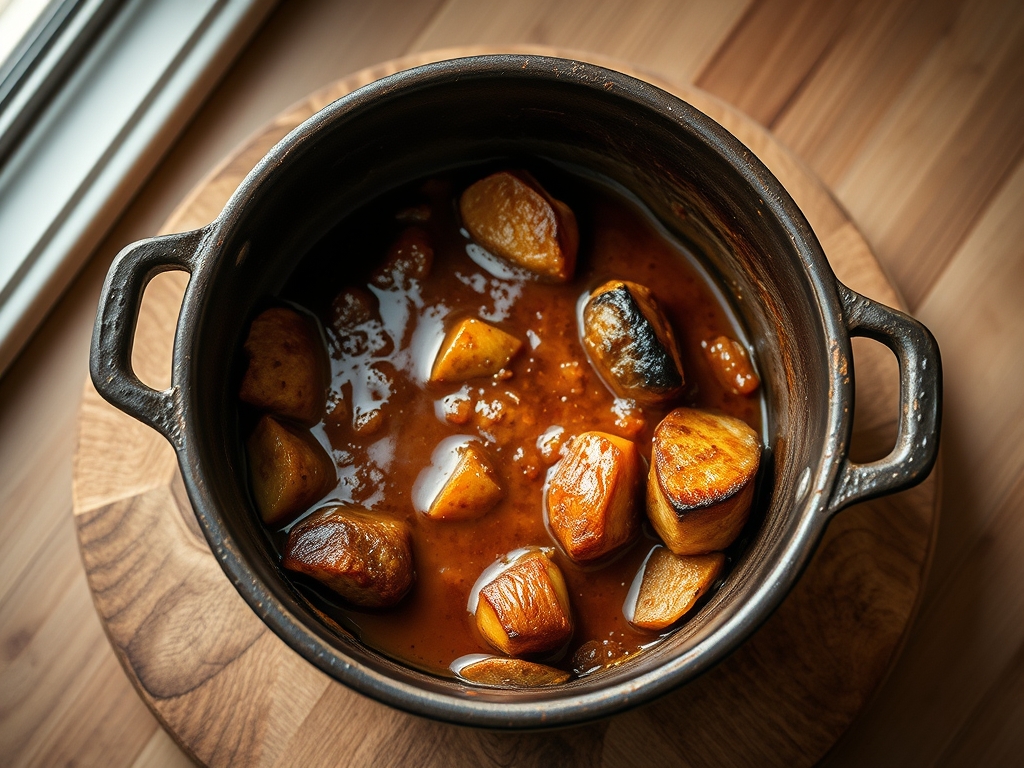
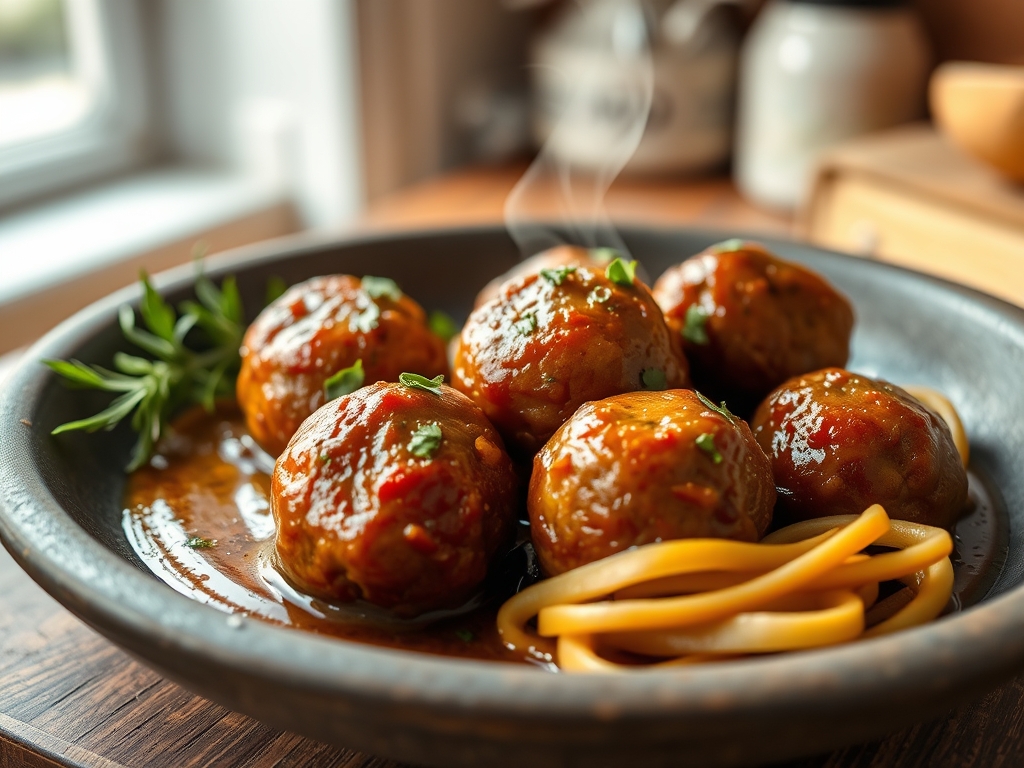
Listen to the sound of high-velocity fat molecules colliding with cold protein. That staccato hiss is the language of the Maillard reaction. It is the sound of success. When we discuss Skillet Meatballs, we are not talking about a casual weeknight dinner; we are auditing the structural integrity of a sphere under thermal stress. Most home cooks treat the meatball as a dump-and-mix afterthought, resulting in a dense, rubbery sphere that lacks internal aeration. We are here to rectify that architectural failure. By leveraging a heavy cast iron surface, we maximize spherical surface contact to create a crust so deep and savory it rivals a prime steak. We want a contrast between the shattered-glass texture of the exterior and a lush, velvet interior that stays moist through emulsified fats. This is culinary engineering at its most visceral level. Prepare to deglaze the myths of the past and render a final product that defines structural excellence. We are building flavor from the bottom of the pan up.
THE DATA MATRIX
| Metric | Specification |
|---|---|
| Prep Time | 25 minutes |
| Execution Time | 20 minutes |
| Yield | 24 spheres (4-6 servings) |
| Complexity (1-10) | 4 |
| Estimated Cost per Serving | $3.50 |
THE GATHERS
Ingredient Protocol:
- 500g / 1.1 lbs Ground Beef (80/20 lean-to-fat ratio)
- 250g / 0.55 lbs Ground Pork
- 100g / 1 cup Panko Breadcrumbs
- 120ml / 0.5 cup Whole Milk
- 1 Large Egg (beaten)
- 60g / 0.5 cup Grated Parmigiano-Reggiano
- 15g / 3 tbsp Fresh Parsley (finely minced)
- 10g / 2 tsp Kosher Salt
- 5g / 1 tsp Black Pepper (freshly cracked)
- 30ml / 2 tbsp Extra Virgin Olive Oil
- 3 Cloves Garlic (microplaned)
Section A: Ingredient Quality Audit:
The primary failure point in Skillet Meatballs is the moisture-to-binder ratio. If your meat is too lean (90/10), the protein strands will tighten into a bouncy, dry ball. To fix this, infuse the mix with a panade (milk and breadcrumbs). If the mixture feels loose, do not panic and add more flour; instead, chill the mix for 30 minutes to allow the proteins to set. Sub-par cheese is another liability. Pre-shredded cheese is coated in cellulose, which prevents proper melting and creates a gritty mouthfeel. Always grate your cheese fresh to ensure it integrates into the molecular matrix of the meat.
THE MASTERCLASS
Step 1: The Panade Hydration
Combine the panko and milk in a small bowl. Let this sit for 10 minutes until it forms a viscous paste. This is the secret to internal moisture.
Pro Tip: Use a digital scale to measure your panade ingredients. Precision here prevents the meatball from becoming a soggy mess or a dry brick. The panade acts as a physical barrier, preventing protein fibers from knitting together too tightly.
Step 2: The Cold-Touch Integration
In a large bowl, combine the beef, pork, garlic, cheese, parsley, salt, pepper, and the panade. Mix by hand just until combined. Do not overwork the meat.
Pro Tip: Use a bench scraper to portion the meat into equal sizes. Over-handling the meat warms the fat, causing it to smear rather than stay in distinct pockets. Keeping the fat cold ensures it will render properly during the sear.
Step 3: Spherical Engineering
Roll the mixture into 1.5-inch spheres. Ensure the surface is smooth to maximize contact with the skillet. Place them on a parchment-lined tray.
Pro Tip: Use a spring-loaded cookie scoop for uniformity. Uniformity is not just for aesthetics; it ensures that every sphere reaches the target internal temperature at the exact same moment.
Step 4: The High-Heat Deployment
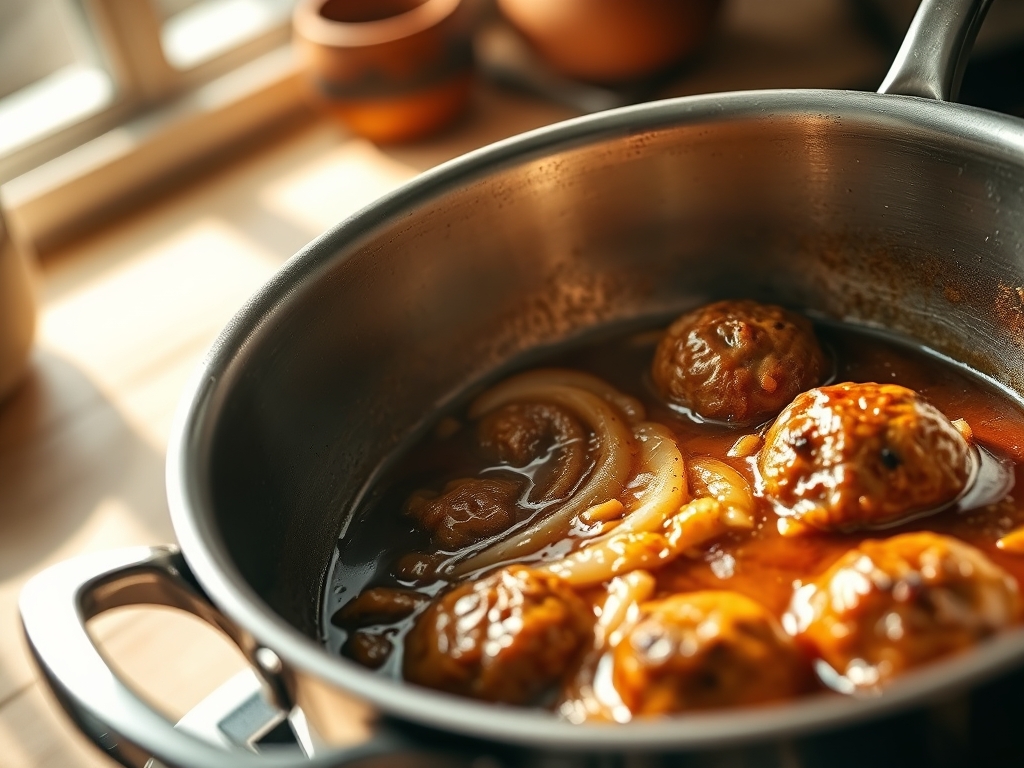
Heat your cast iron skillet over medium-high heat. Add the olive oil. Once the oil shimmers, place the meatballs in the pan, leaving space between each.
Pro Tip: Use a saucier or a heavy-bottomed skillet to maintain thermal mass. When the meat hits the pan, the temperature drops. A heavy pan recovers faster, ensuring a continuous sear rather than a gray, steamed exterior.
Step 5: The Rotational Sear
Allow the meatballs to sit undisturbed for 2 minutes to develop a crust. Gently rotate using tongs until all sides are browned.
Pro Tip: Do not crowd the pan. If you add too many meatballs at once, the moisture release will drop the temperature and boil the meat. Work in batches to maintain the integrity of the Maillard reaction.
Section B: Prep & Timing Fault-Lines:
The most common timing error is pulling the meatballs too early or too late. If the exterior is charred but the interior is raw, your heat is too high. Lower the flame and add a splash of water or sauce to the pan, then cover it to create a steam chamber. If the meatballs are falling apart, you likely skipped the hydration phase of the breadcrumbs or failed to use an egg as a structural adhesive. Temperature control is king. Use an instant-read thermometer to pull the meatballs at 160 degrees Fahrenheit (71 Celsius).
THE VISUAL SPECTRUM
Section C: Thermal & Visual Troubleshooting:
Referencing the Masterclass photo above, notice the deep mahogany crust and the flecks of vibrant green parsley. If your meatballs look pale or "gray," your pan was not hot enough before the drop. If the meatballs look "shaggy" or have uneven surfaces, you likely used too much binder or did not roll them tightly enough. A perfect skillet meatball should have a "shattered" look on the exterior where the meat has crusted against the iron. If you see white fat leaking out excessively, you over-mixed the meat, breaking the emulsion before it even hit the heat.
THE DEEP DIVE
Macro Nutrition Profile:
Each serving (approx. 4 meatballs) contains roughly 320 calories, 22g of protein, 18g of fat, and 12g of carbohydrates. The fat content is essential for flavor transport; do not attempt to slash this too thin or the piquant notes of the garlic and cheese will vanish.
Dietary Swaps:
- Vegan: Replace meat with a mix of pulsed mushrooms and lentils. Use a flax egg and soy milk for the panade.
- Keto: Swap panko for crushed pork rinds or almond flour.
- GF: Utilize certified gluten-free breadcrumbs or rolled oats pulsed into a fine meal.
Meal Prep & Reheating Science:
To maintain molecular structure, reheat meatballs in a liquid medium like tomato sauce or broth. This prevents the proteins from tightening further in the microwave. If reheating dry, use a low-temperature oven (300F) covered with foil to retain internal moisture.
THE KITCHEN TABLE
Why are my meatballs tough?
You likely over-worked the meat. When you over-mix, you develop myosin, the same protein that makes bread chewy. Mix until just combined to keep the texture light and aerate the interior.
Can I bake these instead of using a skillet?
You can, but you sacrifice the "Spherical Surface Contact." A skillet provides direct conduction, creating a superior crust that an oven's convection cannot match. If you must bake, use a very high temperature.
How do I get the garlic flavor to pop?
Microplane your garlic into a paste. This breaks down the cell walls more effectively than chopping, allowing the garlic oils to infuse the entire meat mixture rather than leaving large, pungent chunks.
What is the best meat blend?
The 80/20 beef and pork mix is the industry standard. The pork provides a softer fat that melts at a lower temperature, while the beef provides the structural "beefy" backbone and browning capabilities.