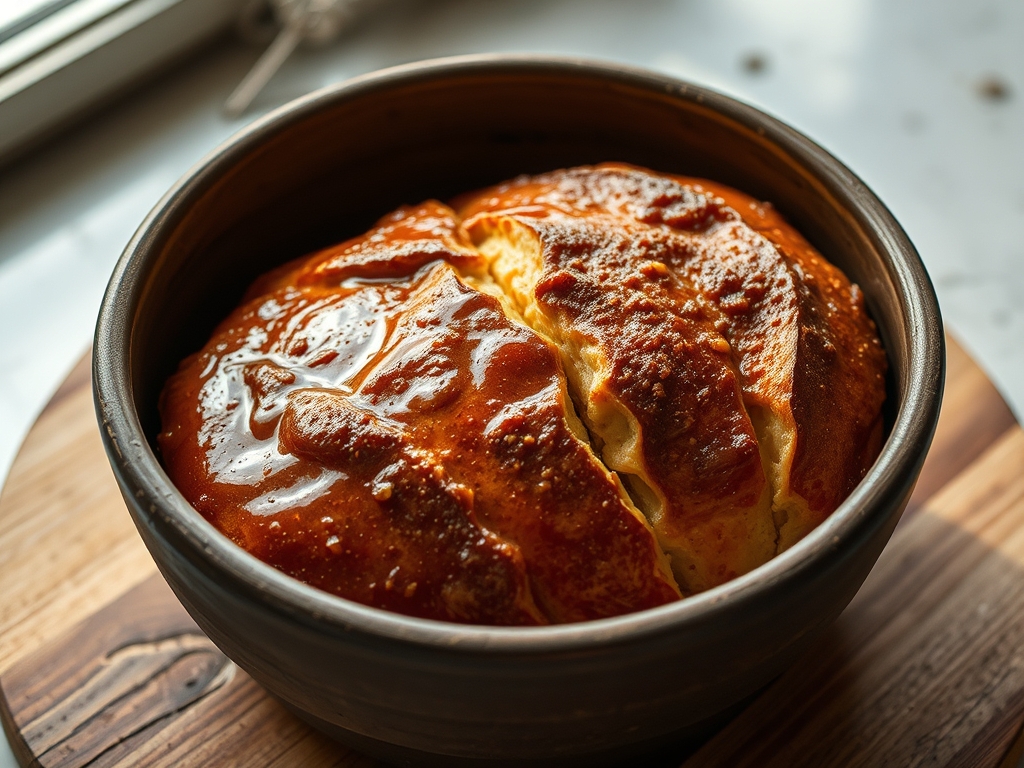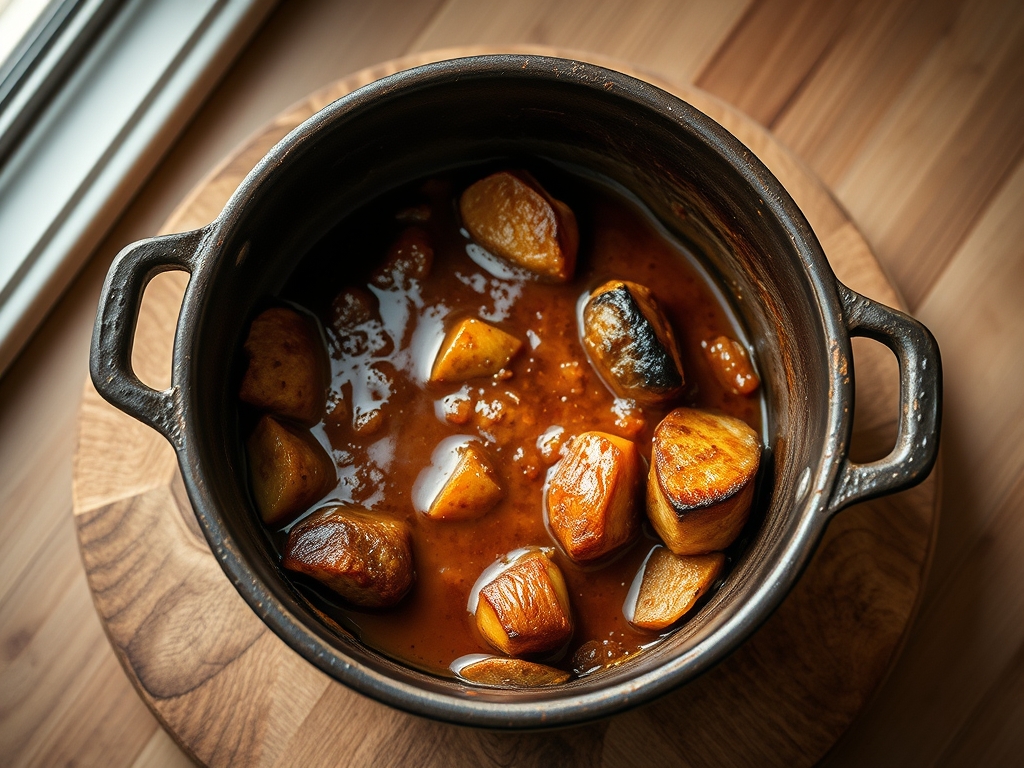
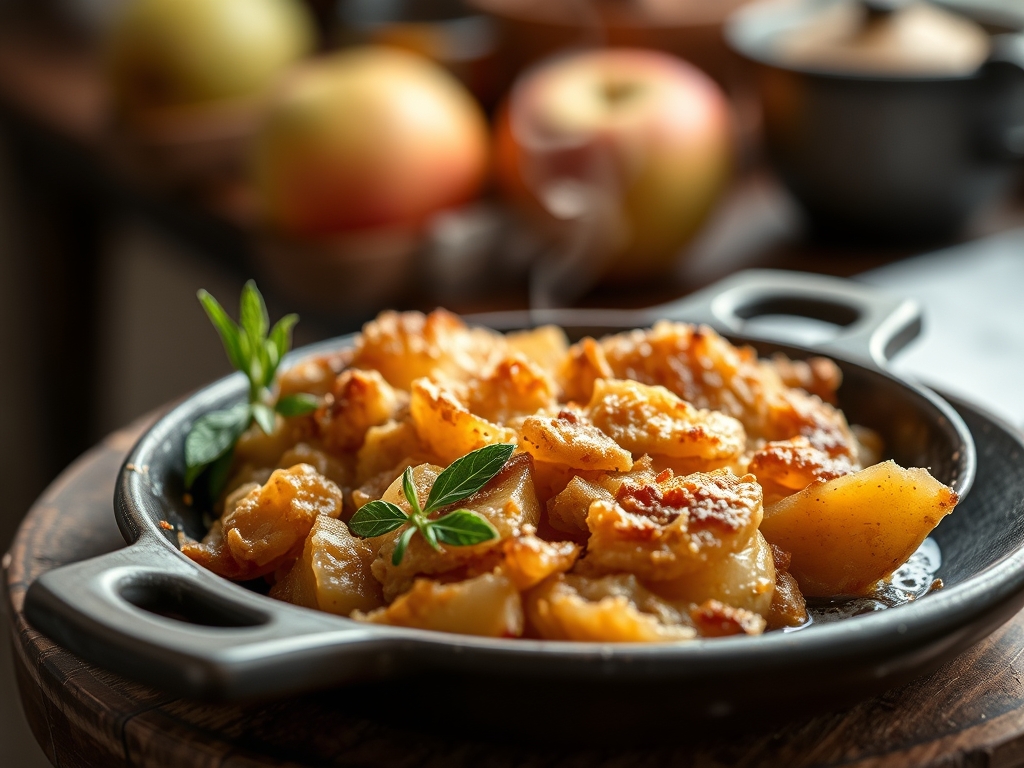
Listen to the sound of high-stakes culinary physics. It starts with the rhythmic thud of a chef's knife against a wooden board and ends with the violent, bubbling protest of Granny Smith juices meeting a screaming hot cast iron surface. We are not just making dessert; we are orchestrating a structural masterpiece known as the Skillet Apple Crisp. This is where the rustic charm of a farmhouse kitchen meets the cold, hard precision of a thermal laboratory. The goal is a delicate balance of textures: a bottom layer of fruit rendered into a viscous, cinnamon-infused syrup and a top layer of oats transformed into a shatter-crisp tectonic plate. If you fail to manage your thermal gradients, you end up with a soggy, structural collapse. If you succeed, you achieve the ultimate caramelization of fructose and starches. We are hunting for that specific moment where butter emulsifies with brown sugar to create a topping that snaps under the pressure of a spoon. Let us begin the audit.
THE DATA MATRIX
| Metric | Specification |
|---|---|
| Prep Time | 20 Minutes |
| Execution Time | 45 Minutes |
| Yield | 8 Servings |
| Complexity (1-10) | 4 |
| Estimated Cost per Serving | $1.15 |
THE GATHERS
Ingredient Protocol:
The Fruit Base:
- 1.36kg / 3 lbs Granny Smith or Honeycrisp Apples (peeled and sliced)
- 100g / 0.5 cup Granulated Sugar
- 15ml / 1 tbsp Fresh Lemon Juice
- 5g / 2 tsp Ground Cinnamon
- 2g / 0.5 tsp Ground Nutmeg
The Hard-Set Topping:
- 150g / 1.5 cups Rolled Oats (Old Fashioned)
- 125g / 1 cup All-Purpose Flour
- 150g / 0.75 cup Packed Light Brown Sugar
- 115g / 0.5 cup Unsalted Butter (Chilled and Cubed)
- 2g / 0.5 tsp Flaky Sea Salt
Section A: Ingredient Quality Audit:
The primary failure point in a Skillet Apple Crisp is moisture mismanagement. If your apples are mealy or past their prime, they will release excess water, turning your base into a soup rather than a thick, piquant glaze. To fix this, ensure you are using high-acid, high-pectin varieties like Granny Smith. If your fruit feels soft, toss the slices in 5g of cornstarch before baking to help the juices reach the desired viscosity. Furthermore, check your oats. Instant oats lack the surface area and structural integrity required for a hard set; they will dissolve into the flour. Always audit your pantry for "Old Fashioned" rolled oats to ensure the final product has the necessary mechanical crunch.
THE MASTERCLASS
1. Thermal Priming and Fruit Preparation
Preheat your convection oven to 190C / 375F. Use a digital scale to weigh your ingredients; volumetric measurements are the enemy of consistency. Peel and core your apples, then slice them into uniform 1cm wedges. Toss them in a large mixing bowl with the sugar, lemon juice, and spices until every surface is coated.
Pro Tip: Uniformity in slicing ensures that every piece of fruit reaches the same stage of cellular breakdown at the same time. Use a mandoline for surgical precision, but watch your fingers.
2. The Emulsification of the Topping
In a separate bowl, combine the oats, flour, brown sugar, and salt. Introduce the chilled, cubed butter. Use a pastry cutter or a bench scraper to work the fat into the dry goods. You are looking for "pea-sized" clumps. The goal is to coat the flour particles in fat to inhibit gluten development, ensuring a crumbly rather than bready texture.
Pro Tip: Keep your butter at 4C / 40F. If the butter melts during the mixing phase, you will lose the air pockets that create a light, crisp texture. This is basic lipid engineering.
3. The Skillet Sear
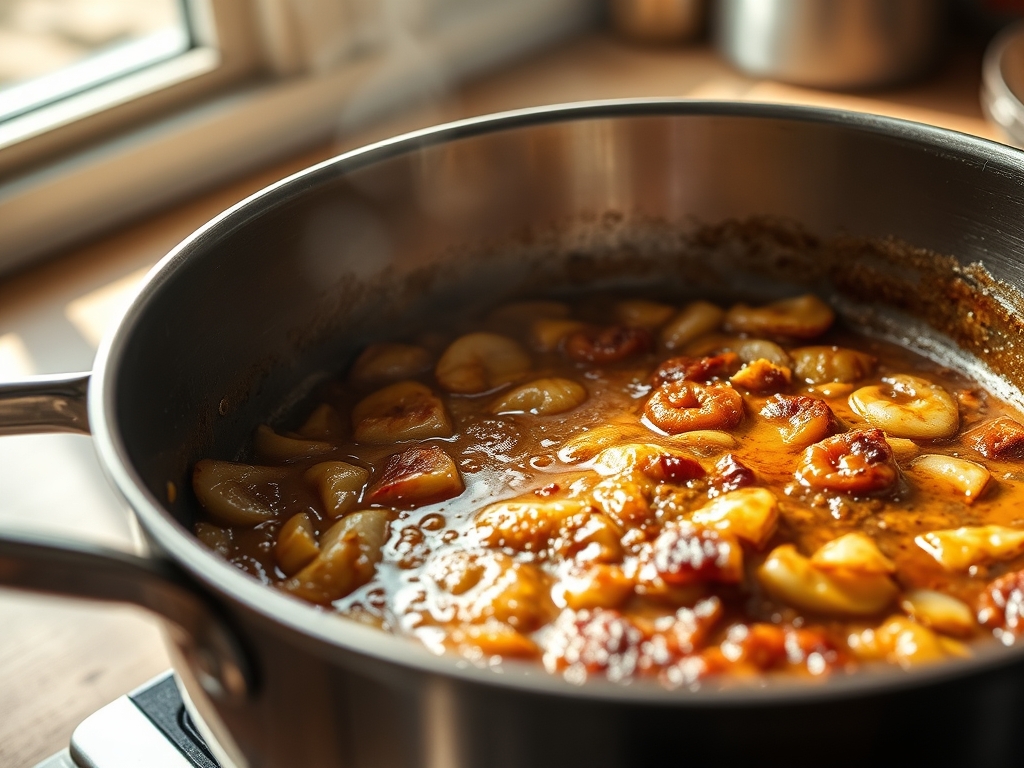
Place your 12-inch cast iron skillet over medium-high heat. Add a small knob of butter and, once it begins to foam, dump in the apple mixture. Use a wooden spoon to stir the fruit for 3 to 5 minutes. You want to begin the sugar dissolution process and render out the initial burst of moisture before the skillet ever hits the oven.
Pro Tip: This pre-sear allows the fructose to begin its caramelization journey early. A professional saucier would tell you that starting the heat on the stovetop ensures the bottom of the crisp is as hot as the top.
4. The Structural Assembly
Level the apples in the skillet using your spoon. Evenly distribute the oat mixture over the top, ensuring no fruit is visible. Do not pack the topping down; you want to maintain interstitial air gaps to allow steam to escape. Transfer the skillet to the center rack of the oven.
Pro Tip: Steam is the enemy of a hard set. By leaving the topping loose, you allow the water vapor from the apples to vent, preventing the oats from becoming hydrated and soft.
5. The Maillard Finish
Bake for 35 to 40 minutes. You are looking for a deep, golden-brown hue on the oats and bubbles of thick syrup erupting at the edges of the skillet. The smell should be intensely nutty and toasted. Remove from the oven and, this is critical, let it rest for 15 minutes before serving.
Pro Tip: The resting period is not a suggestion; it is a thermal requirement. As the crisp cools, the pectin in the apples sets and the sugars in the topping harden into a crystalline structure.
Section B: Prep & Timing Fault-Lines:
The most common human error is the "Premature Extraction." If you pull the skillet when the topping is merely pale yellow, you have failed to trigger the Maillard reaction. This chemical process is what creates the complex, savory-sweet notes essential to a high-end dessert. Another timing fault occurs when the apples are sliced too thin; they will turn into mush before the topping has a chance to brown. Audit your slice thickness. If you find the top is browning too fast, tent the skillet with foil, but remove it for the final five minutes to ensure the oats aerate and crisp.
THE VISUAL SPECTRUM
Section C: Thermal & Visual Troubleshooting:
Look closely at the reference photo. Notice the variegated landscape of the topping. There are highlights of pale gold and shadows of deep mahogany. If your crisp looks monochromatic and dull, you likely under-mixed the butter or used old spices. If the fruit juices are thin and watery rather than clinging to the spoon, your thermal floor was too low; the skillet needed more time on the stovetop. If the topping has "melted" into a flat sheet, your butter was too warm during the assembly phase. A perfect Skillet Apple Crisp should look like a rugged, craggy mountain range of toasted oats.
THE DEEP DIVE
Macro Nutrition Profile:
A standard serving contains approximately 380 calories, 14g of fat, 62g of carbohydrates, and 4g of protein. The fiber content from the apple skins and oats provides a moderate glycemic response compared to more refined desserts.
Dietary Swaps:
- Vegan: Replace the butter with chilled coconut oil (solid state) or a high-quality vegan butter block.
- Keto: Swap apples for chayote squash (which mimics apple texture when cooked), use almond flour, and replace sugar with an erythritol-monkfruit blend.
- GF: Ensure oats are certified gluten-free and replace all-purpose flour with a 1:1 gluten-free baking blend containing xanthan gum.
Meal Prep & Reheating Science:
To maintain the molecular structure, do not microwave leftovers. Microwaves vibrate water molecules, which will migrate into the oats and ruin the crunch. Instead, reheat in a 175C / 350F oven for 10 minutes to re-crystallize the sugars and evaporate any absorbed moisture.
THE KITCHEN TABLE
Why is my topping soggy?
You likely didn't allow enough steam to escape or your apples were too watery. Use high-pectin fruit and never pack the topping down tightly. Ensure the skillet reaches a full bubble in the oven to drive off excess moisture.
Can I use steel-cut oats?
Negative. Steel-cut oats are too dense and will remain unpleasantly hard and "toothsome" even after 40 minutes of baking. Stick to rolled oats for the ideal surface area to facilitate rapid caramelization and a brittle snap.
Why did my apples turn to mush?
This is a variety failure. Softer apples like McIntosh or Red Delicious lack the cellular wall strength to survive the heat. Always audit your fruit for firmness and acidity. Granny Smith is the industry standard for a reason.
How do I get a darker color?
Increase the brown sugar ratio or add a teaspoon of molasses to the topping. The extra glucose and fructose will accelerate the Maillard reaction, providing a deeper color and a more complex, bitter-sweet flavor profile.