The atmosphere inside a commercial kitchen during a service rush is a symphony of controlled chaos, but nothing compares to the radiant intensity of a clay oven. We are here to audit the specific molecular transformation of Stone Baked Naan. This is not merely flatbread; it is an exercise in high-velocity thermal transfer. When the dough hits the blistering surface of the stone, the moisture within the gluten network undergoes a rapid phase change. Steam expands violently, creating those iconic, charred bubbles that define the aesthetic of a professional bake. The scent of toasted grain and fermented yeast fills the air, signaling that the Maillard reaction is in full swing. As an auditor of culinary infrastructure, I demand more than just a recipe. I demand a technical breakdown of how we achieve that perfect balance between a pillowy, soft interior and a crisp, leopard-spotted exterior. If your dough is flaccid or your char is bitter, your protocol is flawed. Let us recalibrate your station for peak performance.
THE DATA MATRIX
| Metric | Specification |
|---|---|
| Prep Time | 20 Minutes (plus 2 hours proofing) |
| Execution Time | 3 Minutes per unit |
| Yield | 8 Portions |
| Complexity | 6 / 10 |
| Estimated Cost per Serving | $0.45 |
THE GATHERS
Ingredient Protocol:
- 500g / 4 cups All-purpose flour (11.5% protein minimum)
- 7g / 2.25 tsp Active dry yeast
- 10g / 2 tsp Fine sea salt
- 15g / 1 tbsp Granulated sugar
- 180ml / 0.75 cup Warm water (38C / 100F)
- 120ml / 0.5 cup Full-fat Greek yogurt (room temperature)
- 60ml / 4 tbsp Ghee or melted unsalted butter
- 5ml / 1 tsp Nigella seeds or sesame seeds for garnish
Section A: Ingredient Quality Audit:
If your flour lacks the necessary protein content, the gluten matrix will fail to aerate properly, resulting in a dense, cracker-like texture. Ensure you are using a high-quality bread or all-purpose flour. If the dough feels too viscous and sticky, the hydration level is likely too high for your local humidity; add flour in 10g increments using a digital scale to reach a tacky but manageable consistency. Sub-par yeast is the primary cause of structural failure. If your yeast does not foam within five minutes of hitting the warm water, discard it. The yogurt must be full-fat; the lipids are essential to render a soft crumb that resists drying out under the intense infrared heat of the stone.
THE MASTERCLASS
1. Hydration and Activation
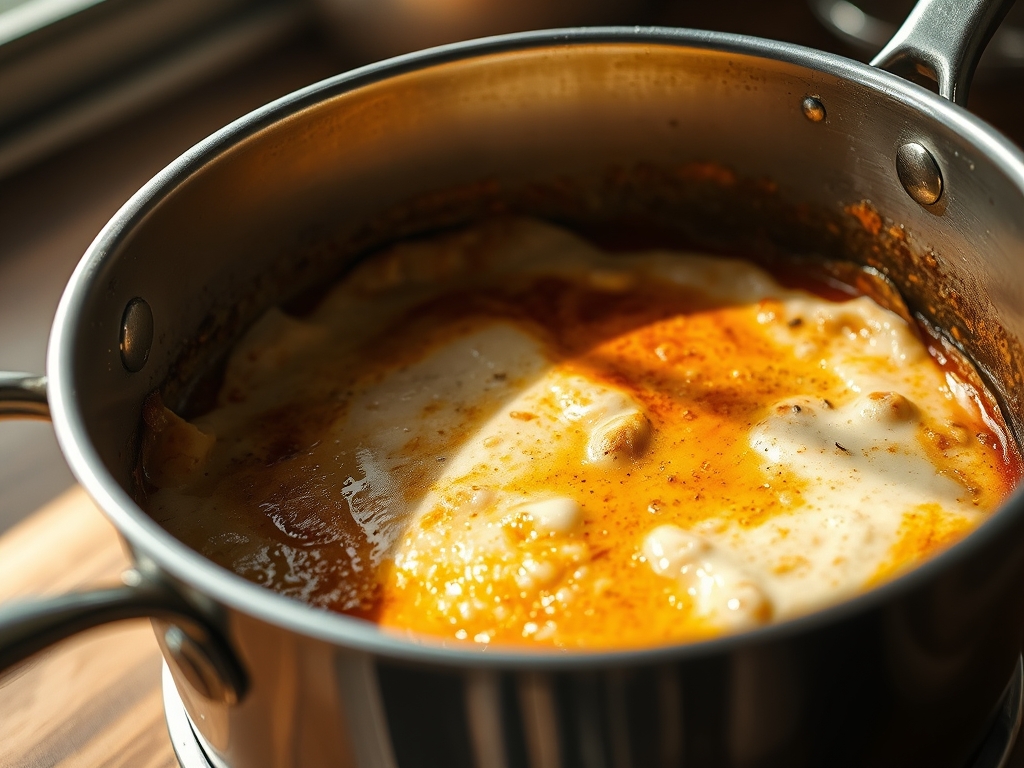
Combine the warm water, sugar, and yeast in the bowl of a stand mixer. Let it sit until a foamy head develops. Once active, whisk in the yogurt and half of the melted ghee.
Pro Tip: Use an infrared thermometer to verify your water temperature. If the water exceeds 43C (110F), you risk denaturing the yeast proteins, effectively killing your leavening agent before the audit even begins.
2. The Gluten Synthesis
Add the flour and salt to the liquid base. Using the dough hook attachment, knead on medium-low speed for 8 minutes until the dough is smooth and elastic. It should pull away cleanly from the sides of the bowl.
Pro Tip: Use a bench scraper to clear the sides of the bowl. This ensures every gram of flour is integrated into the matrix, maintaining the precise hydration ratio required for a consistent bake.
3. The Bulk Fermentation
Place the dough in a lightly oiled bowl, cover with a damp cloth, and proof in a warm, draft-free environment until doubled in size. This usually takes 60 to 90 minutes depending on ambient temperature.
Pro Tip: Fermentation is where we infuse the dough with complex esters and organic acids. A slower, cooler rise often yields a superior flavor profile compared to a rushed, hot proof.
4. Precision Portioning
Deflate the dough gently and divide it into 8 equal portions (approximately 100g each). Roll them into smooth spheres and let them rest for 20 minutes under a lint-free towel.
Pro Tip: Use your digital scale for this step. Uniformity in mass ensures uniformity in thermal absorption. Irregularly sized dough balls will lead to inconsistent charring across the batch.
5. The Thermal Impact
Preheat your baking stone in an oven set to its maximum temperature (usually 260C / 500F) for at least 45 minutes. Roll each dough ball into an oval shape, roughly 5mm thick. Slap the dough onto the hot stone.
Pro Tip: Professional bakers use a long-handled peel to navigate the heat. The immediate contact with the stone triggers "oven spring," where CO2 expands rapidly before the crust sets.
6. Finishing and Glazing
Bake for 2 to 3 minutes until the top is blistered and charred. Remove immediately and brush with the remaining ghee. Sprinkle with nigella seeds and store in a clean kitchen towel to keep soft.
Pro Tip: Do not overbake. The window between a perfect Stone Baked Naan and a charred husk is measured in seconds. The ghee application helps to render the crust supple via steam entrapment.
Section B: Prep & Timing Fault-Lines:
The most common failure in this protocol is insufficient preheating. If the stone is not saturated with thermal energy, the bottom of the naan will be pale and doughy while the top dries out. Another critical error is rolling the dough too thin; if you lose the interior moisture, you lose the pillowy contrast. If your dough snaps back during rolling, the gluten is too tense. Cover it and walk away for ten minutes to allow the protein strands to relax.
THE VISUAL SPECTRUM
Section C: Thermal & Visual Troubleshooting:
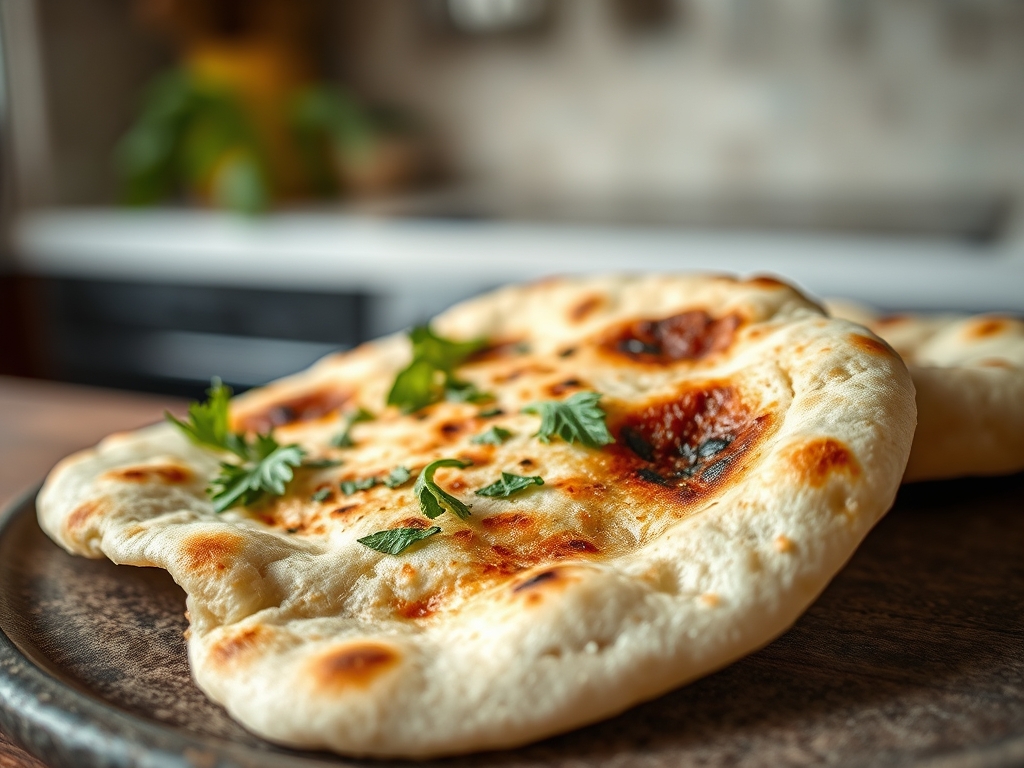
Review the reference image provided above. Notice the "leopard spotting" which indicates high-heat interaction. If your naan is a uniform, dull brown, your oven temperature is too low. If the bubbles are large and pale, you likely over-proofed the dough, exhausting the yeast before it hit the stone. For those seeking a piquant edge, ensure the char marks are dark mahogany but not carbonized black; carbonization introduces a bitter alkaline taste that ruins the flavor profile. The interior should show a fine, lacy crumb when torn, indicating successful steam expansion.
THE DEEP DIVE
Macro Nutrition Profile:
A single 100g serving of Stone Baked Naan typically contains 280 calories, 8g of protein, 45g of carbohydrates, and 7g of fat. The inclusion of yogurt adds a minor probiotic benefit, though most live cultures are neutralized during the high-heat bake.
Dietary Swaps:
- Vegan: Substitute the Greek yogurt with a thick coconut yogurt and use avocado oil or vegan butter instead of ghee.
- Gluten-Free: This is difficult as gluten provides the elasticity for bubbles. Use a high-quality GF flour blend with xanthan gum and increase the hydration by 10%.
- Keto: Replace wheat flour with almond flour and vital wheat gluten (if low carb) or psyllium husk for structure.
Meal Prep & Reheating Science:
To maintain the molecular structure, do not microwave. Microwaves vibrate water molecules, often resulting in a rubbery texture. Instead, reheat in a dry skillet over medium-high heat for 30 seconds per side or wrap in foil and bake at 175C (350F) to restore the crisp exterior without dehydrating the core.
THE KITCHEN TABLE
Why is my naan tough instead of soft?
Toughness usually results from over-kneading or over-baking. Excess kneading creates a rubbery gluten structure, while over-baking evaporates the internal moisture. Ensure you pull the bread the moment the blisters turn dark brown to retain softness.
Can I make this without a baking stone?
Yes. An inverted heavy cast-iron skillet serves as an excellent heat sink. Preheat the skillet on the stovetop until smoking, then transfer it to a high-heat oven to mimic the thermal mass of a professional clay oven.
Why did my dough fail to rise?
Check the expiration of your yeast or the temperature of your water. If the water was too hot, it killed the yeast. If the environment is too cold, the fermentation process will stall significantly.
How do I get more bubbles in the dough?
High heat is the catalyst. Ensure your stone is incredibly hot and do not roll the dough too thin. A thicker dough (5mm) traps more steam, leading to more dramatic, airy pockets during the bake.