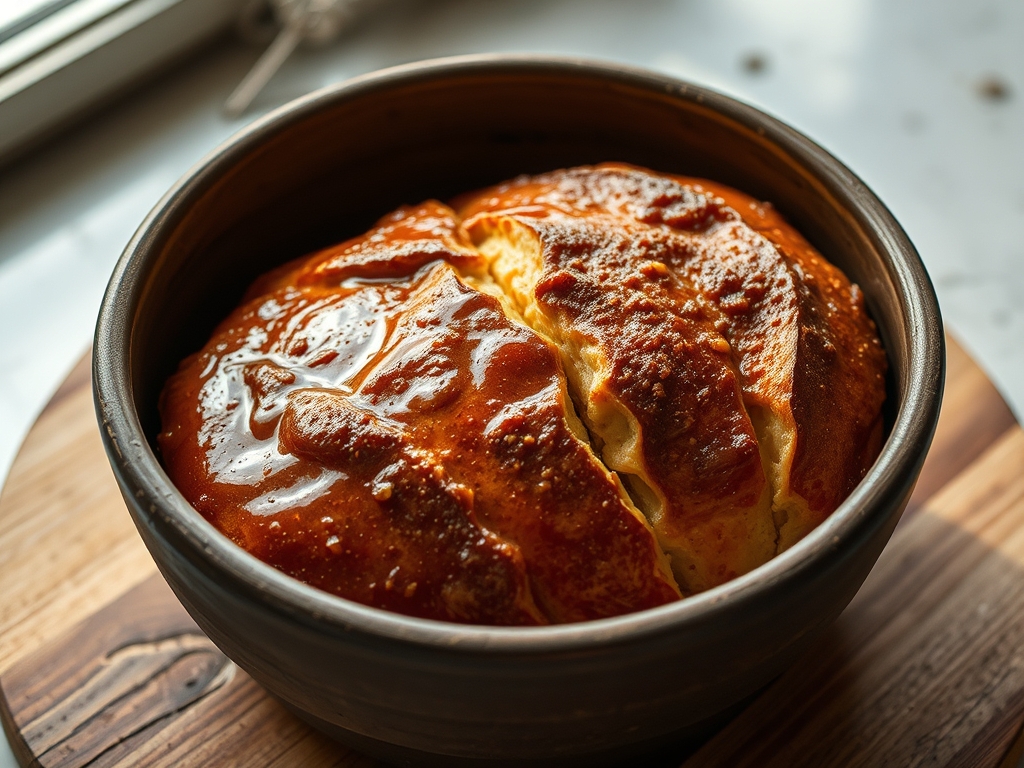
Listen to that sound. It is not just a sizzle; it is the high-frequency vibration of moisture rapidly transitioning into steam as it escapes a pressurized collagen membrane. We are talking about Seared Sausage Links, the heavy hitters of the breakfast plate and the undisputed champions of the cast-iron skillet. Achieving the perfect link is an exercise in structural engineering. You are looking for that taut, glass-like snap that gives way to a succulent, emulsified interior. Most home cooks fail because they treat the sausage like a passive hunk of protein. In this kitchen, we treat it like a pressurized vessel. We are managing fat rendering, protein coagulation, and the glorious Maillard reaction all within a three-inch radius. If your casing is shriveled or your interior is dry, you have suffered a catastrophic breach of culinary integrity. We are here to audit your process, tighten your tolerances, and ensure every bite delivers a piquant explosion of flavor backed by a scientifically sound crust. Let us get to work.
THE DATA MATRIX
| Metric | Specification |
|---|---|
| Prep Time | 5 Minutes |
| Execution Time | 12 to 15 Minutes |
| Yield | 4 Servings |
| Complexity (1-10) | 4 |
| Estimated Cost per Serving | $2.50 – $4.00 |
THE GATHERS
Ingredient Protocol:
- High-Quality Pork or Beef Sausages: 680g / 1.5 lbs (Look for natural casings).
- Neutral High-Smoke Point Oil: 15ml / 1 tbsp (Avocado or Grapeseed).
- Unsalted Butter: 28g / 2 tbsp (For the final baste).
- Fresh Thyme Sprigs: 3 to 4 units (To infuse the rendering fat).
- Filtered Water: 60ml / 0.25 cup (For the initial steam phase).
- Flaky Sea Salt: To taste (For post-sear texture).
Section A: Ingredient Quality Audit:
The primary failure point in Seared Sausage Links is a compromised casing. If you notice the skin is already loose or "baggy" before it hits the heat, the meat-to-fat ratio is likely off, or the link has been frozen and thawed improperly, damaging the cellular structure. To fix this, prick the casing exactly twice with a sterile needle to allow for controlled steam release without causing a total blowout. If your sausage feels excessively soft or "mushy," it lacks the necessary primary bind. You can mitigate this by chilling the links in the freezer for ten minutes before cooking to firm up the lipids. Avoid sausages with excessive fillers like corn syrup or cereal grains; these will scorch and turn bitter before the internal temperature reaches safety limits.
THE MASTERCLASS
1. The Tempering Phase
Remove your links from the refrigerator and allow them to sit at room temperature for fifteen minutes. Cold protein hitting a hot pan causes a thermal shock that results in uneven contraction and split casings. Use a digital scale to ensure each link is of uniform weight for consistent cooking times.
Pro Tip: Tempering allows the internal fats to soften slightly, ensuring that when the heat is applied, the render happens evenly from the core to the surface rather than just scorching the exterior.
2. The Hydro-Thermal Start
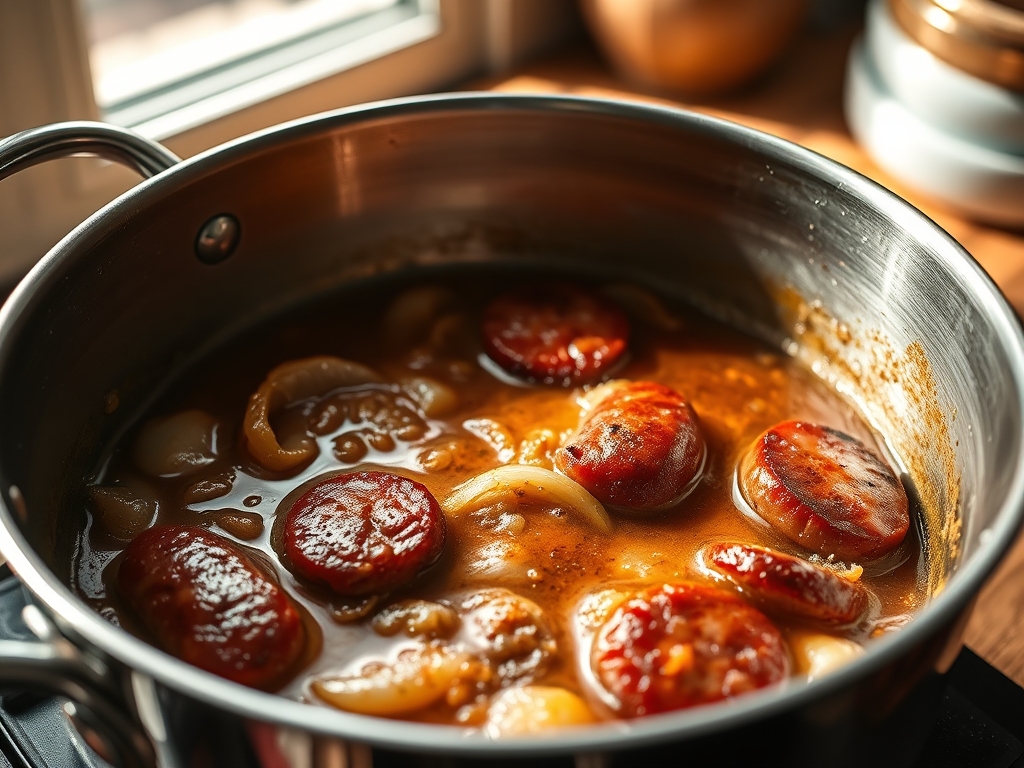
Place the links in a cold stainless steel saucier or cast-iron skillet. Add the 60ml of water and the neutral oil. Turn the heat to medium-high. The water will simmer and steam the sausages, ensuring the interior is fully cooked and the proteins have set before the browning begins.
Pro Tip: This "steam-then-sear" method prevents the common "burnt outside, raw inside" syndrome. The water acts as a temperature regulator, capping the heat at 100 degrees Celsius until it evaporates.
3. The Fat Rendering Transition
Once the water has completely evaporated, the sausages will begin to sizzle in their own rendered fat and the added oil. Lower the heat to medium. Use a bench scraper or silicone-tipped tongs to move the links frequently, ensuring every millimeter of the cylindrical surface makes contact with the pan.
Pro Tip: Moving the sausages constantly prevents "flat spots." You want a continuous, 360-degree golden-brown lacquer, which is the visual hallmark of a professional audit.
4. The Aromatic Baste
When the sausages are nearly bronzed, add the butter and thyme sprigs to the pan. As the butter begins to foam, tilt the pan and use a large spoon to infuse the links with the hot, herb-scented fat. This adds a final layer of complex flavor and a glossy sheen.
Pro Tip: Use the foaming butter to deglaze any browned bits (fond) stuck to the bottom of the pan, coating the sausages in a concentrated flavor glaze.
5. The Integrity Check
Use a digital instant-read thermometer to verify an internal temperature of 71 degrees Celsius (160 degrees Fahrenheit). Remove the links from the pan and let them rest on a warm plate for three minutes before serving.
Pro Tip: Resting allows the internal juices to redistribute and the viscous fats to thicken slightly, preventing the "fountain effect" where all the moisture escapes upon the first knife cut.
Section B: Prep & Timing Fault-Lines:
The most common timing error is the "High Heat Panic." Cooks often see the casing browning too fast and pull the links early, leaving the center under-cured and rubbery. If you find yourself in this situation, move the pan to a preheated oven at 175 degrees Celsius for four minutes to finish the core without further darkening the exterior. Conversely, if the water evaporates and the sausages are still pale, your heat is too low. Increase the flame immediately to initiate the Maillard reaction before the interior dries out.
THE VISUAL SPECTRUM
Section C: Thermal & Visual Troubleshooting:
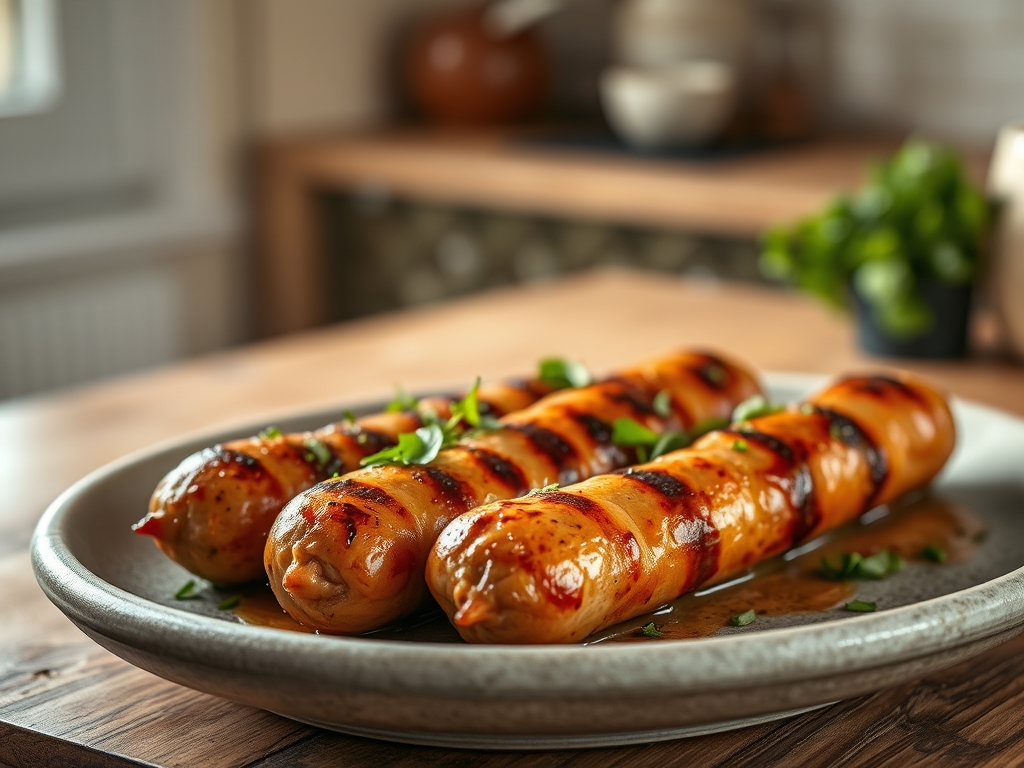
Look at the Masterclass photo. Notice the deep, mahogany hue and the slight "blistering" of the skin. This indicates a successful Maillard reaction. If your links look grey or dull, you likely used too much water or failed to drain excess moisture before the searing phase. If the casing has split wide open, the heat was too aggressive, causing the internal steam to expand faster than the casing could stretch. A perfect link should have a taut, "stretched" appearance with no visible tears. If the color is uneven, you likely crowded the pan; ensure at least one inch of clearance between each link to allow for proper airflow and heat distribution.
THE DEEP DIVE
Macro Nutrition Profile:
A standard serving of pork-based Seared Sausage Links provides approximately 18g of protein and 22g of fat. While high in sodium, they are an excellent source of B-vitamins and zinc. Adjusting the meat source (e.g., turkey or chicken) can reduce the fat content by up to 40% while maintaining high protein density.
Dietary Swaps:
For a Vegan alternative, use plant-based sausages made from pea protein or seitan. These require more oil during the sear as they lack natural animal fats to render. For Keto and GF adherence, ensure the sausages are "filler-free" and contain no breadcrumbs or maltodextrin.
Meal Prep & Reheating Science:
To maintain molecular structure when reheating, avoid the microwave, which turns casings into rubber. Instead, use a low-heat skillet with a teaspoon of water and a lid. This recreates the "hydro-thermal" environment, gently warming the fats without toughening the protein matrix.
THE KITCHEN TABLE
Why did my sausage casings turn tough?
This usually happens due to overcooking or using sausages with "collagen" casings instead of "natural" casings. Over-exposure to dry heat causes the proteins in the casing to cross-link excessively, resulting in a leathery texture.
Can I sear sausages without any oil?
Technically yes, as sausages contain internal fat. However, a small amount of "starter" oil ensures even heat transfer during the initial seconds of contact, preventing the casing from sticking and tearing before the fat begins to render.
How do I get that "snap" when I bite in?
The snap is a result of a tight, well-hydrated casing that has been quickly seared. The initial steaming phase hydrates the casing, while the high-heat sear "sets" it into a crisp, brittle state.
Is it safe to eat sausages that are slightly pink inside?
If you have verified the internal temperature is 71 degrees Celsius (160 degrees Fahrenheit) with a digital thermometer, a slight pink hue is often just a result of the curing salts or seasonings used in the meat mixture.