Listen to that sound. It is not just a sizzle; it is the definitive acoustic signature of a high-performance Skillet Quesadilla achieving peak structural rigidity. When the flour tortilla meets a preheated cast iron surface, we are witnessing a violent, beautiful transformation of starches and proteins. We are here to audit the architecture of the fold. Forget the soggy, limp triangles of your amateur years. We are engineers of the crunch. We are architects of the melt. The goal is a golden-brown, shatter-crisp exterior that houses a molten, viscous core of perfectly emulsified lipids. If your tortilla lacks the tensile strength to support its internal cargo, you have failed the inspection. This audit provides the blueprint for a Skillet Quesadilla that defies gravity and demands respect. We will analyze the thermal conductivity of the pan, the moisture content of the cheese, and the exact timing required to trigger the Maillard reaction without compromising the integrity of the wrap. Prepare your station. The audit begins now.
THE DATA MATRIX
| Metric | Specification |
|---|---|
| Prep Time | 10 Minutes |
| Execution Time | 8 Minutes |
| Yield | 2 Servings |
| Complexity (1-10) | 3 |
| Estimated Cost per Serving | $2.75 USD |
THE GATHERS
Ingredient Protocol:
- 2 Large Flour Tortillas (25cm / 10-inch)
- 225g / 2 cups High-Moisture Oaxaca or Monterey Jack Cheese, freshly grated
- 115g / 4 oz Cooked Protein (Chicken or Chorizo), finely diced
- 30ml / 2 tbsp Neutral Oil or Clarified Butter
- 5g / 1 tsp Smoked Paprika to infuse the oil
- 30g / 2 tbsp Pickled Jalapenos, drained and patted dry
- 15ml / 1 tbsp Fresh Lime Juice for a piquant finish
Section A: Ingredient Quality Audit:
The primary failure point in most builds is the use of pre-shredded cheese. These products are coated in cellulose or potato starch to prevent clumping in the bag. This anti-caking agent acts as a thermal barrier, preventing the cheese from achieving a truly viscous and cohesive melt. The fix: Purchase a block and use a box grater. Secondly, moisture is the enemy of the crunch. If your protein or vegetables are weeping liquid, the steam will delaminate the tortilla from the filling. Always render out excess fat from proteins and use a paper towel to remove surface moisture from jarred ingredients before they hit the heat.
THE MASTERCLASS
1. Thermal Priming and Oil Infusion
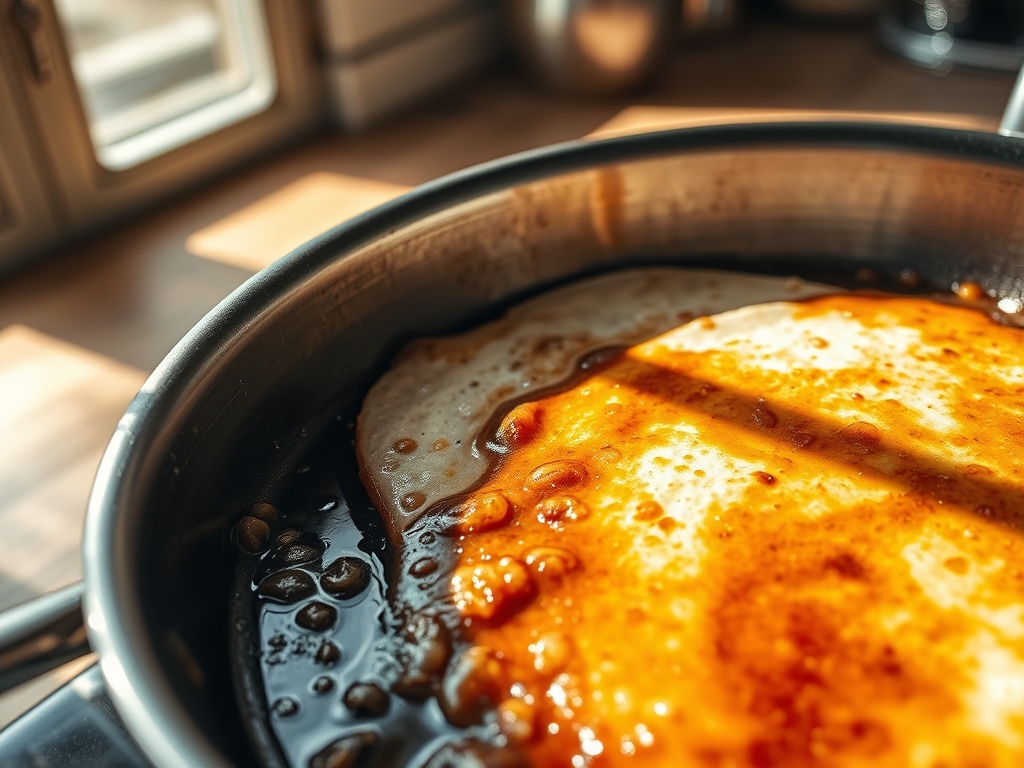
Place your heavy-bottomed cast iron skillet over medium-high heat. Use an infrared thermometer to verify the surface has reached at least 190C (375F). Add your clarified butter and smoked paprika. Use a silicone whisk to infuse the fat with the spice, ensuring an even distribution of color and flavor across the pan surface.
Pro Tip: High thermal mass is essential. A thin aluminum pan will drop in temperature the moment the cold tortilla hits it, leading to oil absorption rather than searing. Use a digital scale to ensure you are using exactly 15ml of fat per side for consistent results.
2. The Structural Layering Phase
Lay the tortilla flat on a clean workspace. Distribute half of the cheese across the entire surface, leaving a 1cm margin at the edge. Layer your protein and jalapenos on one half of the tortilla only. This creates a "hinge" for the fold. Top the fillings with the remaining cheese. This "cheese sandwich" technique acts as a biological adhesive, locking the fillings to both sides of the tortilla.
Pro Tip: Use a bench scraper to ensure your protein is diced into uniform 5mm cubes. Large chunks of meat create air pockets that prevent even contact with the skillet, leading to cold spots and structural failure.
3. The Compression and Sear
Slide the loaded tortilla into the hot skillet. Once the bottom cheese begins to sweat, use a heavy stainless steel spatula to fold the empty half over the filling. Press down firmly for 30 seconds to establish a bond. Sear for 3 minutes until the underside is deep mahogany.
Pro Tip: Professional chefs often use a heavy bacon press or a second smaller skillet to apply constant pressure. This maximizes surface area contact, accelerating the Maillard reaction and ensuring the cheese is fully rendered into the tortilla fibers.
4. The Pivot and Finish
Carefully flip the quesadilla using a wide offset spatula. The second side will cook faster as the internal temperature of the fillings is already elevated. Cook for an additional 2 minutes. The cheese should be bubbling at the edges, creating a "frico" or burnt-cheese crust that adds a savory, salty dimension to the perimeter.
Pro Tip: If the exterior is browning too fast before the cheese melts, add 5ml of water to the edge of the pan and cover with a lid for 30 seconds. This creates a localized steam environment to infuse the core with heat without burning the shell.
Section B: Prep & Timing Fault-Lines:
Timing is a function of heat management. If you find your quesadilla is charred on the outside but cold in the middle, your "delta-T" (temperature difference) is too high. Lower the flame and increase the cook time. If the tortilla is greasy and soft, your pan was not hot enough to flash-vaporize the surface moisture. Always use a digital scale for your ingredients; guessing on the amount of cheese leads to "blowouts" where the filling escapes the structural confines of the wrap.
THE VISUAL SPECTRUM
Section C: Thermal & Visual Troubleshooting:
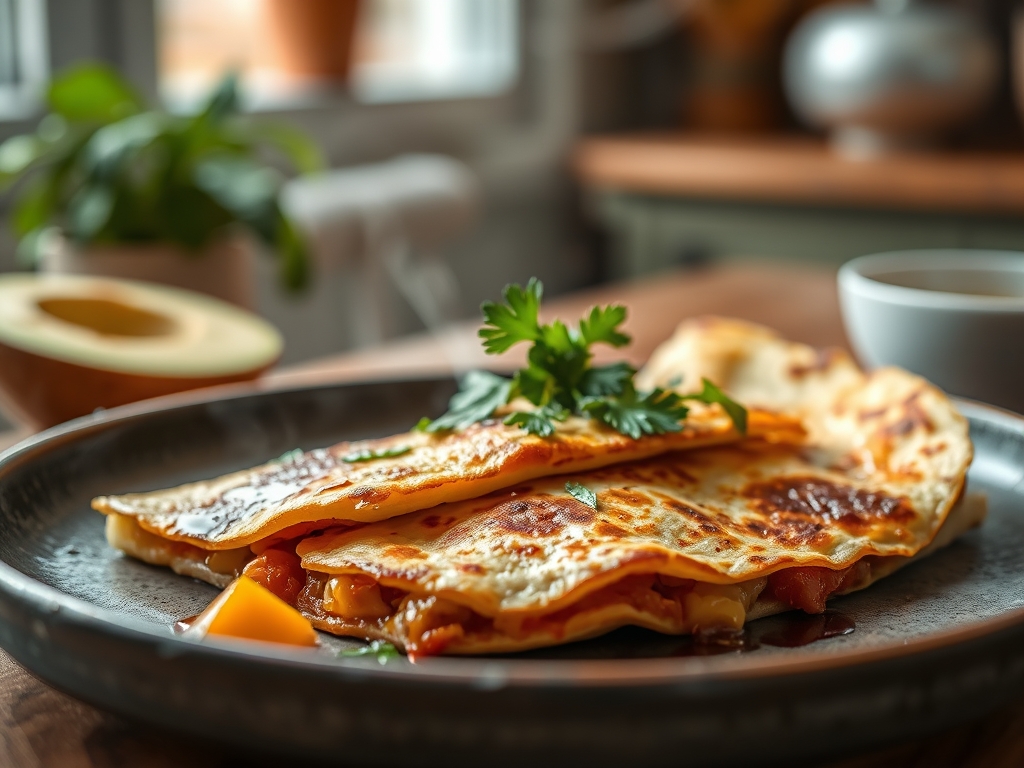
Referencing the Masterclass photo, look for the "leopard spotting" on the tortilla surface. This indicates uneven but desirable heat distribution that provides varied textures. If your quesadilla is a uniform, pale tan, you have not reached the necessary temperature to caramelize the flour sugars. If the edges appear frayed or dry, you likely skipped the oil infusion step. A perfect Skillet Quesadilla should have a visible "ooze" factor where the cheese has become a viscous liquid that holds the protein in suspension. If the cheese looks oily or separated, it has been overheated, causing the proteins to tighten and squeeze out the fats.
THE DEEP DIVE
Macro Nutrition Profile:
A standard build using the protocol above yields approximately 650 calories. This includes 35g of Protein, 42g of Carbohydrates, and 38g of Fats. The high fat content is what provides the satiety and the "mouthfeel" required for a premium audit result.
Dietary Swaps:
- Vegan: Substitute dairy with a cashew-based fermented "cheese" and use coconut oil for the sear. Be aware that plant-based proteins do not render fat in the same way; you may need to add more aromatics to compensate.
- Keto: Replace the flour tortilla with a toasted cheese wrap or a low-carb almond flour alternative.
- GF: Use a high-quality corn tortilla, though be warned that corn lacks the gluten-based elasticity of flour and may crack during the fold.
Meal Prep & Reheating Science:
To maintain molecular structure when reheating, avoid the microwave at all costs. The microwave excites water molecules, turning your crisp tortilla into a soggy sponge. Instead, use an air fryer at 175C (350F) for 3 minutes or a dry skillet over medium heat. This re-crisps the exterior while gently migrating heat to the center.
THE KITCHEN TABLE
Why is my quesadilla soggy after five minutes?
Steam entrapment is the culprit. If you stack hot quesadillas or place them on a solid plate, the escaping moisture has nowhere to go but back into the crust. Use a wire cooling rack for 60 seconds before serving.
Can I use oil instead of butter?
Yes. A neutral oil with a high smoke point (like avocado or grapeseed) allows for a higher sear temperature. However, you lose the milk solids found in butter which contribute to a deeper, nuttier flavor profile during the sear.
How do I get that restaurant-style orange crust?
The secret is infusing your cooking fat with a pinch of paprika or annatto powder. This dyes the fat, which then coats the tortilla, resulting in a vibrant, sunset-orange hue that looks as good as it tastes.
What is the best cheese for the ultimate pull?
Oaxaca is the gold standard for its string-like structure and melting point. If unavailable, a 50/50 blend of low-moisture mozzarella and sharp cheddar provides the perfect balance of "pull" and piquant flavor.