Listen to the sound of high-velocity starch hitting a pre-heated iron surface. It is the acoustic signature of a perfect Skillet Potato Hash. We are not merely making breakfast; we are engineering a structural masterpiece of Maillard-induced crust and pillowy, steam-leavened interiors. When the cold surface of a diced tuber meets a thin film of shimmering lipid, a thermodynamic exchange begins. Water molecules are forced into a rapid phase change, venting as steam while the exterior sugars and amino acids fuse into a complex, savory lattice. This is the technical infrastructure of searing. If your potatoes are currently a gummy, translucent mess, your infrastructure has failed. You are likely battling excess surface moisture or a thermal deficit in your pan. We are here to audit those failures and install a protocol that guarantees a shatter-crisp exterior every single time. Grab your digital scale and your heaviest iron. We are moving beyond the realm of casual cooking and into the precision of starch architecture.
THE DATA MATRIX
| Metric | Specification |
|---|---|
| Prep Time | 15 Minutes |
| Execution Time | 25 Minutes |
| Yield | 4 Servings |
| Complexity | 4/10 |
| Estimated Cost per Serving | $1.45 USD |
THE GATHERS
Ingredient Protocol:
- 800g / 1.75 lbs Yukon Gold or Russet Potatoes (cubed to 1.5cm)
- 150g / 1 cup Yellow Onion (finely diced)
- 120g / 1 cup Red Bell Pepper (brunoise cut)
- 45ml / 3 tbsp High-Smoke Point Oil (Avocado or Grapeseed)
- 30g / 2 tbsp Unsalted Butter (for finishing)
- 5g / 1 tsp Smoked Paprika
- 3g / 0.5 tsp Garlic Powder
- 8g / 1.5 tsp Kosher Salt
- 2g / 1 tsp Freshly Cracked Black Pepper
- 10g / 0.25 cup Fresh Parsley (chiffonade)
Section A: Ingredient Quality Audit:
The primary failure point in Skillet Potato Hash is the Amylopectin-to-Amylose ratio. If your potatoes feel "waxy" or "soapy" after cooking, you have selected a low-starch variety like Red Bliss for a high-heat application. Technical Fix: Use Yukon Golds for a balance of creaminess and crust, or Russets for maximum crunch. If your onions are weeping excessive moisture, they were likely stored in a high-humidity environment. Technical Fix: Sweat the onions separately in a saucier to reduce their water content before introducing them to the potato matrix. Finally, if your spices taste metallic or dull, they have oxidized. Always bloom your spices in the hot lipid for thirty seconds to infuse the oil with fat-soluble flavor compounds.
THE MASTERCLASS
1. Surface Moisture Extraction
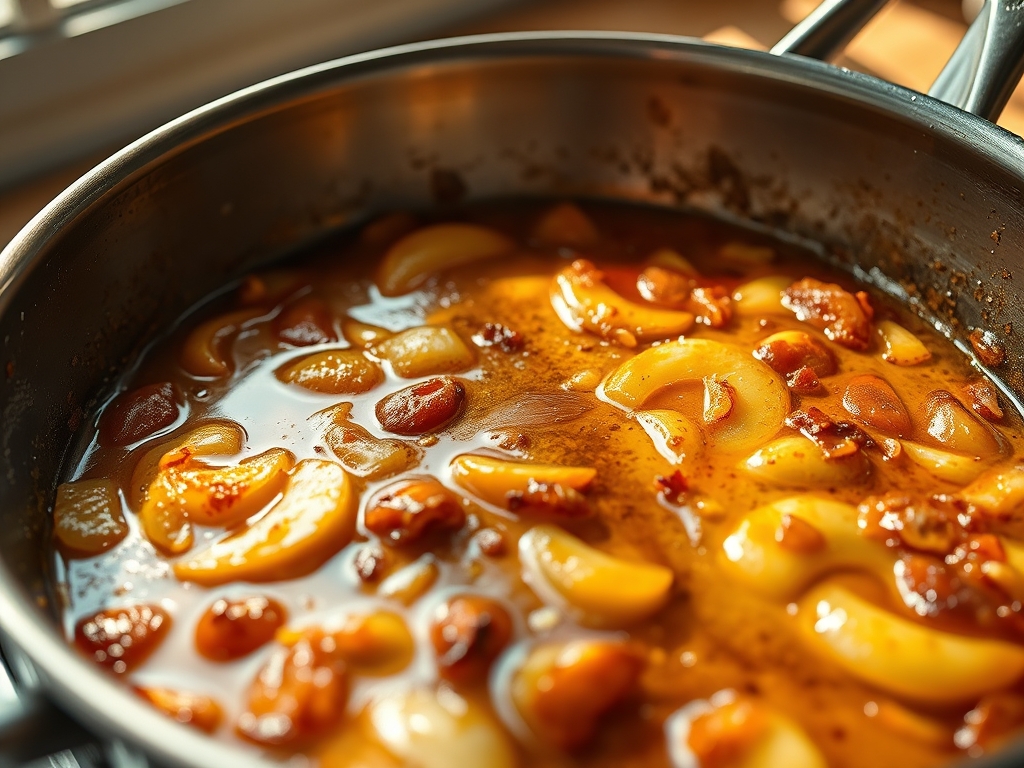
The greatest enemy of the sear is water. After dicing your potatoes with a sharp chef knife, submerge them in cold water to remove excess surface starch, then dry them aggressively. Use a clean kitchen towel or a salad spinner to ensure the cubes are bone-dry.
Pro Tip: Use a digital scale to ensure uniform weight distribution. Removing surface starch prevents the cubes from welding together in the pan, allowing for individual aeration and even browning.
2. Thermal Priming of the Iron
Place your heavy-bottomed skillet over medium-high heat. Add your high-smoke point oil and wait until it reaches the shimmering point, just before it begins to smoke.
Pro Tip: A heavy cast iron skillet acts as a thermal battery. It retains heat better than thin aluminum, preventing the temperature drop that occurs when cold potatoes are added. Use an infrared thermometer to aim for a surface temperature of 375 degrees Fahrenheit.
3. The Initial Sear and Tuber Suspension
Add the potatoes in a single, even layer. Do not overcrowd the pan. If the potatoes are piled high, they will steam rather than sear. Let them sit undisturbed for five to seven minutes.
Pro Tip: Use a bench scraper to move the potatoes in blocks if they stick. Resist the urge to toss them constantly; the Maillard reaction requires sustained contact with the heat source to build a structural crust.
4. Aromatics Integration and Lipid Emulsification
Once the potatoes have developed a golden-brown crust, add the onions and peppers. Toss the mixture to distribute the fat. Add the butter during the final three minutes of cooking.
Pro Tip: The butter contains milk solids that will brown and provide a viscous, nutty coating. This is the stage where you render any remaining fat from added proteins like bacon or chorizo if you are modifying the base recipe.
5. The Deglaze and Seasoning Finish
Turn off the heat. Add your dry spices and a splash of water or stock to deglaze any caramelized bits (fond) stuck to the bottom of the pan. Toss one last time to coat.
Pro Tip: The steam generated by the deglaze helps soften the very center of the potato cubes without compromising the exterior crunch. Use a metal spatula to scrape the bottom of the pan to recover all the flavor-dense particles.
Section B: Prep & Timing Fault-Lines:
Human error often manifests as "The Great Mush." This occurs when the heat is too low, causing the potatoes to break down before the crust forms. If your timing is off and the potatoes are done before the rest of breakfast, do not cover the pan with a lid. Covering the pan traps steam, which will immediately hydrate the crust and turn your masterpiece into mash. Instead, keep the pan in a 200-degree Fahrenheit oven to maintain the molecular integrity of the sear.
THE VISUAL SPECTRUM
Section C: Thermal & Visual Troubleshooting:
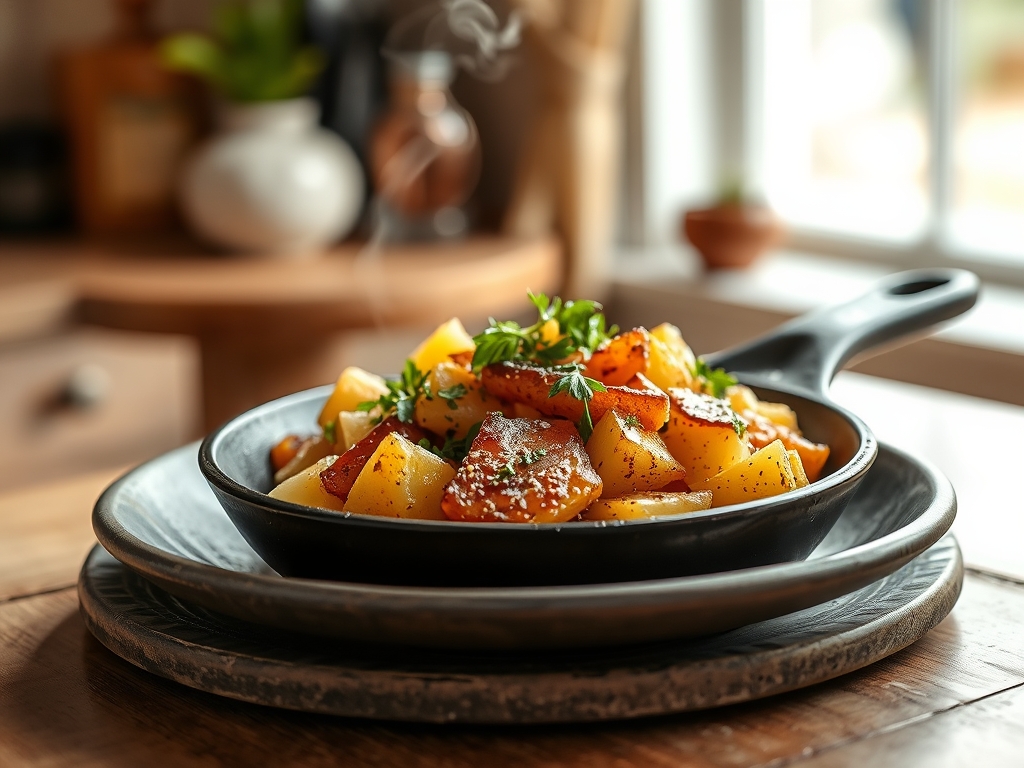
Referencing the Masterclass photo above, look for the "Gilded Edge." The potatoes should exhibit a deep amber hue, not a pale yellow. If your hash looks dull or "matte," you have under-used your lipids or failed to bloom your paprika. If the onions are black while the potatoes are white, your "Mise en Place" timing was flawed; onions must be added only after the potatoes have achieved 70 percent of their target color. If the peppers appear shriveled rather than blistered, the heat was too low for too long. High-heat, short-duration contact ensures the peppers retain a piquant snap and vibrant pigment.
THE DEEP DIVE
Macro Nutrition Profile (Per Serving):
- Calories: 285 kcal
- Carbohydrates: 42g
- Fats: 12g (Primarily monounsaturated if using avocado oil)
- Protein: 4g
- Fiber: 5g
Dietary Swaps:
- Vegan: Replace the finishing butter with a high-quality olive oil or a vegan buttery spread.
- Keto: Substitute 75 percent of the potatoes with cubed cauliflower or daikon radish. Note that daikon requires a longer sear to remove its higher water content.
- Gluten-Free: This recipe is naturally gluten-free; however, ensure your smoked paprika is not processed in a facility with wheat-based anti-caking agents.
Meal Prep & Reheating Science:
To maintain the molecular structure during reheating, avoid the microwave. The microwave agitates water molecules internally, which turns the starch into a soggy mess. Instead, reheat the hash in a dry skillet over medium heat or in an air fryer at 400 degrees Fahrenheit for three minutes. This flash-heating re-crisps the exterior lipids without overcooking the interior.
THE KITCHEN TABLE
Why are my potatoes sticking to the skillet?
Your pan was likely not hot enough before adding the oil. When the metal is cold, the microscopic pores are open; as it heats, the metal expands and "closes," creating a smoother surface that prevents starch adhesion.
Can I use boiled potatoes for this hash?
Yes, this is known as a "Par-cook" method. It accelerates the process but requires extra care during the sear to prevent the potatoes from falling apart. Ensure they are completely cooled and dried before hitting the hot oil.
What is the best way to get a uniform dice?
Use a bench scraper to clear your board and a sharp chef knife to create planks, then batons, then cubes. Uniformity is not just for aesthetics; it ensures every piece of starch reaches the same thermal equilibrium simultaneously.
My hash tastes "flat" despite the salt. Why?
It lacks acidity. A tiny squeeze of lemon juice or a teaspoon of apple cider vinegar at the very end will brighten the flavors and cut through the heavy lipids, providing a necessary piquant counterpoint to the earthy starch.