Listen up, culinary architects. We are moving beyond the rubbery, lackluster results of amateur kitchens and stepping into the high-stakes arena of cephalopod engineering. If your previous attempts at octopus felt like chewing on a silicone spatula, consider this your formal Charred Octopus Audit. We are hunting for the perfect structural intersection: a core that is buttery and tender, encased in a surface that has undergone a violent, beautiful Maillard transformation. This is not just dinner; it is a complex infrastructure project involving collagen breakdown and thermal precision. We will be managing the transition of tough connective tissues into gelatinous gold while simultaneously deploying high-heat sear protocols to achieve that signature crunch. Every suction cup must be a vessel for flavor; every tentacle tip must be a crispy masterpiece. We are stripping away the fluff and focusing on the raw physics of the pan. Prepare to audit your pantry, calibrate your burners, and execute a dish that redefines the limits of texture mapping.
THE DATA MATRIX
| Metric | Specification |
|---|---|
| Prep Time | 20 Minutes |
| Execution Time | 90 Minutes |
| Yield | 4 Servings |
| Complexity | 7/10 |
| Estimated Cost per Serving | $14.50 |
THE GATHERS
Ingredient Protocol:
- 1.8 kg / 4 lbs Whole Octopus (cleaned)
- 500 ml / 2 cups Dry White Wine
- 120 ml / 0.5 cup Extra Virgin Olive Oil
- 30 g / 2 tbsp Smoked Paprika (Pimenton)
- 4 Large Cloves of Garlic (smashed)
- 15 g / 1 tbsp Sea Salt
- 5 g / 1 tsp Black Peppercorns
- 2 Whole Bay Leaves
- 1 Lemon (zested and juiced)
- 10 g / 0.25 cup Fresh Flat-Leaf Parsley (chopped)
Section A: Ingredient Quality Audit:
If your octopus arrives smelling like a pier at low tide, abort the mission. Freshness is the primary structural requirement. Sub-par, previously frozen specimens often suffer from "ice crystal laceration," which compromises the cell walls and leads to a mushy interior. If you find your octopus is releasing excessive water during the thaw, pat it dry aggressively with lint-free towels. For those stuck with smaller, spindly tentacles, reduce the braising time by 20 percent to prevent the meat from disintegrating into a grainy paste. If your olive oil lacks a piquant finish, infuse it with a pinch of red pepper flakes to simulate the high-end polyphenols found in premium harvests.
THE MASTERCLASS
1. The Low-Moisture Braise
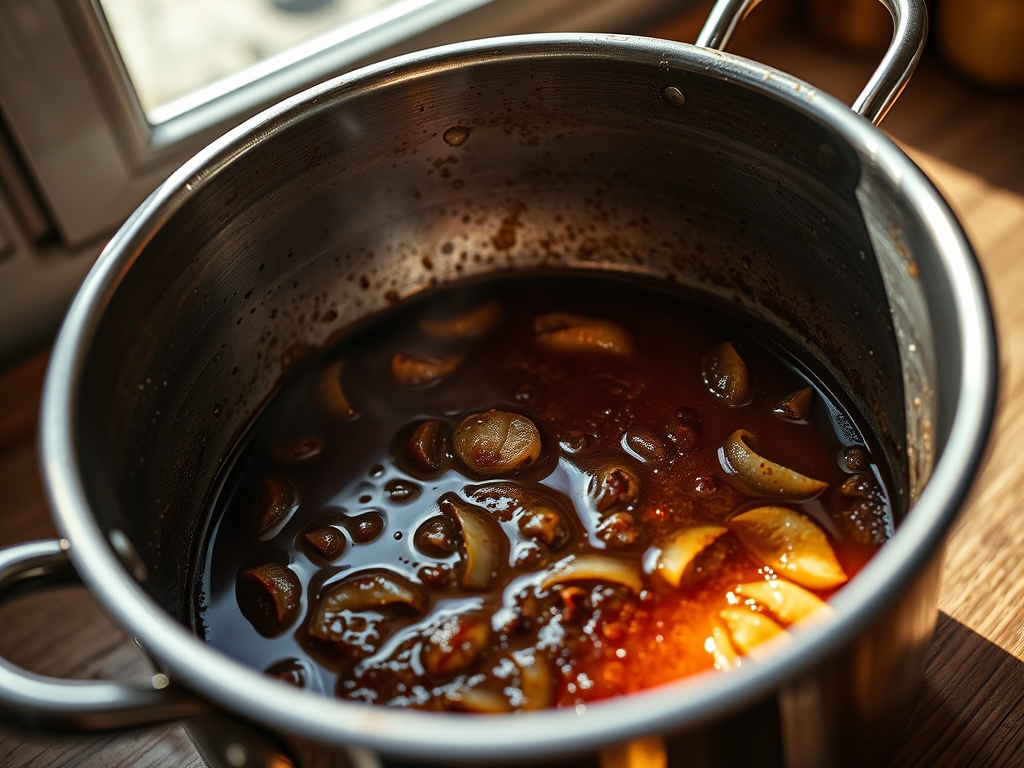
Place the octopus in a heavy-bottomed saucier or Dutch oven without adding water. The cephalopod will release its own liquid, creating a concentrated "octopus liquor." Add the wine, bay leaves, peppercorns, and garlic. Cover tightly and simmer on low heat for 60 to 75 minutes.
Pro Tip: Use a digital scale to weigh down the lid if it is too light. This creates a pressurized environment that accelerates the breakdown of collagen into gelatin, ensuring the meat becomes tender rather than tough.
2. The Structural Integrity Check
Once the timer expires, pierce the thickest part of the tentacle with a paring knife. It should slide in with zero resistance. Remove the octopus from the liquid and let it cool completely on a wire rack.
Pro Tip: Cooling on a wire rack allows for maximum airflow, which dries the skin. A dry surface is a prerequisite for a successful sear; moisture is the enemy of the Maillard reaction. Use a bench scraper to clean any stray gelatin from your workspace.
3. The Emulsion Marinade
In a small bowl, whisk the olive oil, lemon juice, zest, and smoked paprika until the mixture begins to aerate and form a viscous emulsion. Coat the cooled tentacles thoroughly.
Pro Tip: The lipids in the oil act as a heat transfer medium, while the paprika provides the sugars and proteins necessary to render a deep, smoky crust during the high-heat phase.
4. The High-Velocity Sear
Heat a cast-iron skillet until it reaches 230C / 450F. Place the tentacles in the pan, pressing down firmly to ensure maximum surface contact. Sear for 3 minutes per side until the edges are blackened and crisp.
Pro Tip: Do not overcrowd the pan. Overcrowding drops the surface temperature, causing the octopus to steam instead of sear. Work in batches if necessary to maintain thermal momentum.
5. The Final Deglaze and Garnish
Remove the pan from the heat. Toss in the chopped parsley and a final squeeze of lemon to deglaze the rendered fats and juices. Plate immediately while the exterior tension is at its peak.
Pro Tip: Use high-precision plating tongs to arrange the tentacles. The contrast between the dark char and the vibrant green parsley provides the visual data points required for a professional presentation.
Section B: Prep & Timing Fault-Lines:
The most common failure in this infrastructure is the "Rubber Band Effect," caused by under-braising. If you rush the simmer, the collagen fibers will remain tightly coiled. Conversely, over-braising leads to "Structural Collapse," where the skin slides off the meat. Calibrate your stovetop; "low" should be a gentle shiver, not a rolling boil. If your timing is off and the guests are late, do not keep the octopus in the braising liquid. Remove it, chill it, and perform the sear only when you are ready to serve. This preserves the molecular structure and prevents the meat from becoming waterlogged.
THE VISUAL SPECTRUM
Section C: Thermal & Visual Troubleshooting:
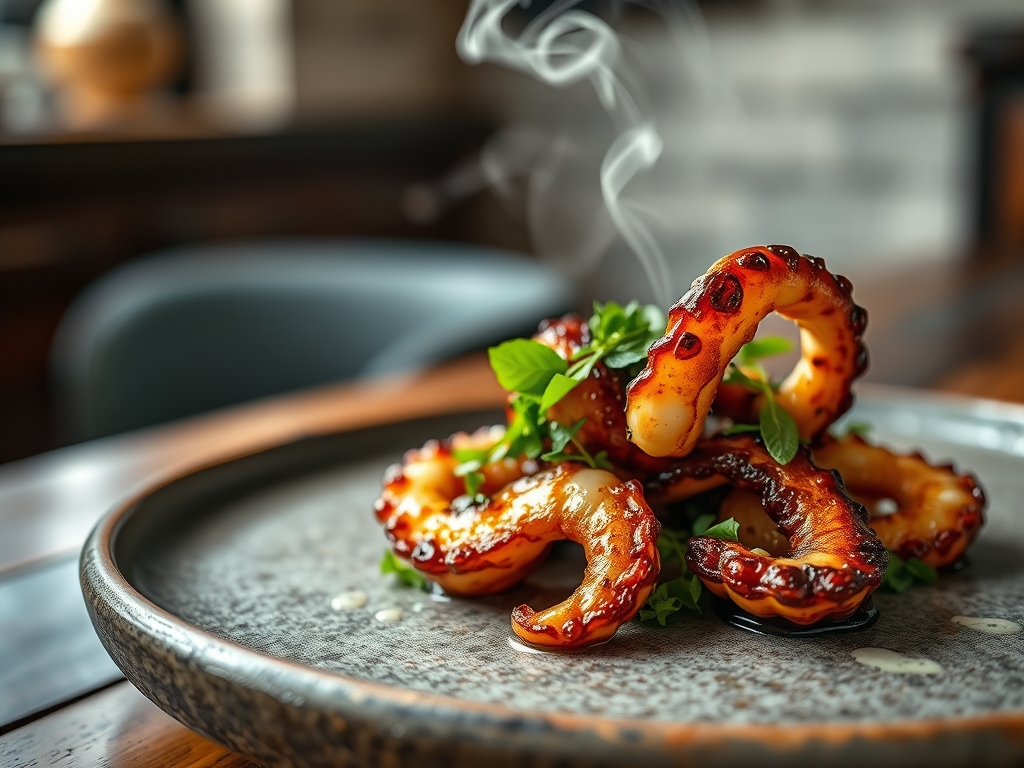
Referencing the Masterclass photo above, notice the "Crackle-Glaze" effect on the suction cups. If your octopus looks grey and sweaty instead of bronzed, your pan temperature was insufficient. You need that initial thermal shock to crisp the skin before the interior overcooks. If the colors are dull, you likely skipped the lemon zest; the citric oils provide a reflective sheen that "pops" under dining room lights. If you see uneven browning, it means the tentacles were not flat. Use a heavy press or another skillet to weigh them down during the sear to ensure every millimeter of the surface makes contact with the heat.
THE DEEP DIVE
Macro Nutrition Profile:
A standard serving of this charred masterpiece provides approximately 35g of protein, 12g of healthy fats (primarily from the olive oil), and less than 5g of carbohydrates. It is a nutrient-dense powerhouse rich in Vitamin B12, selenium, and iron.
Dietary Swaps:
- Vegan: Replace octopus with thick-cut King Oyster Mushroom stalks, scored in a crosshatch pattern to mimic the texture.
- Keto/GF: This recipe is naturally compliant. Ensure your smoked paprika does not contain added flour or anti-caking agents.
Meal Prep & Reheating Science:
To maintain the molecular structure when reheating, avoid the microwave at all costs. The microwave agitates water molecules, which will turn your tender octopus into a bouncy ball. Instead, flash-sear the leftovers in a hot pan for 60 seconds per side to re-crisp the exterior while gently warming the core.
THE KITCHEN TABLE
Why is my octopus skin peeling off?
This usually happens due to a violent boil during the braise. Keep the heat at a low simmer to preserve the delicate bond between the skin and the muscle. Gentle handling with tongs is also mandatory.
Can I use frozen octopus for this?
Yes. In fact, freezing can help tenderize the meat by breaking down tough fibers. Just ensure you thaw it completely in the refrigerator and pat it bone-dry before you begin the marinade process.
What is the best way to get a deep char?
Cast iron is the gold standard. It has the thermal mass required to maintain high heat when the cold octopus hits the surface. Ensure the pan is "wispy smoke" hot before adding the tentacles.
How do I store leftovers?
Store in an airtight container for up to two days. To preserve the texture, keep the lemon and parsley separate until you are ready to reheat and serve. This prevents the acid from "cooking" the meat further.