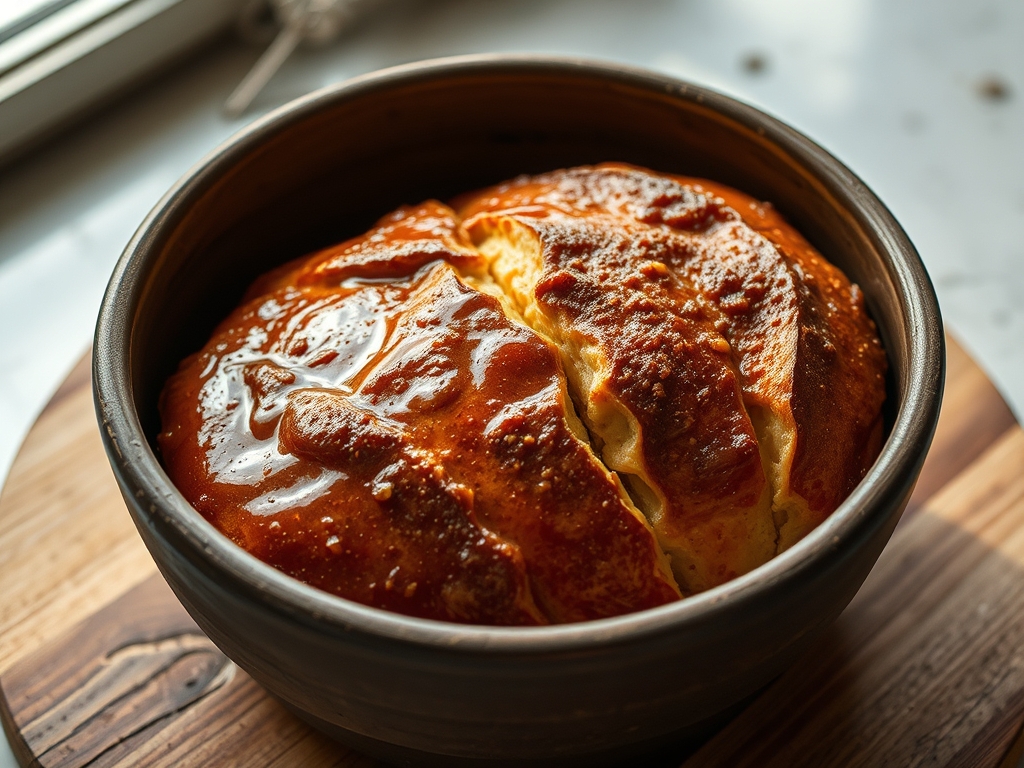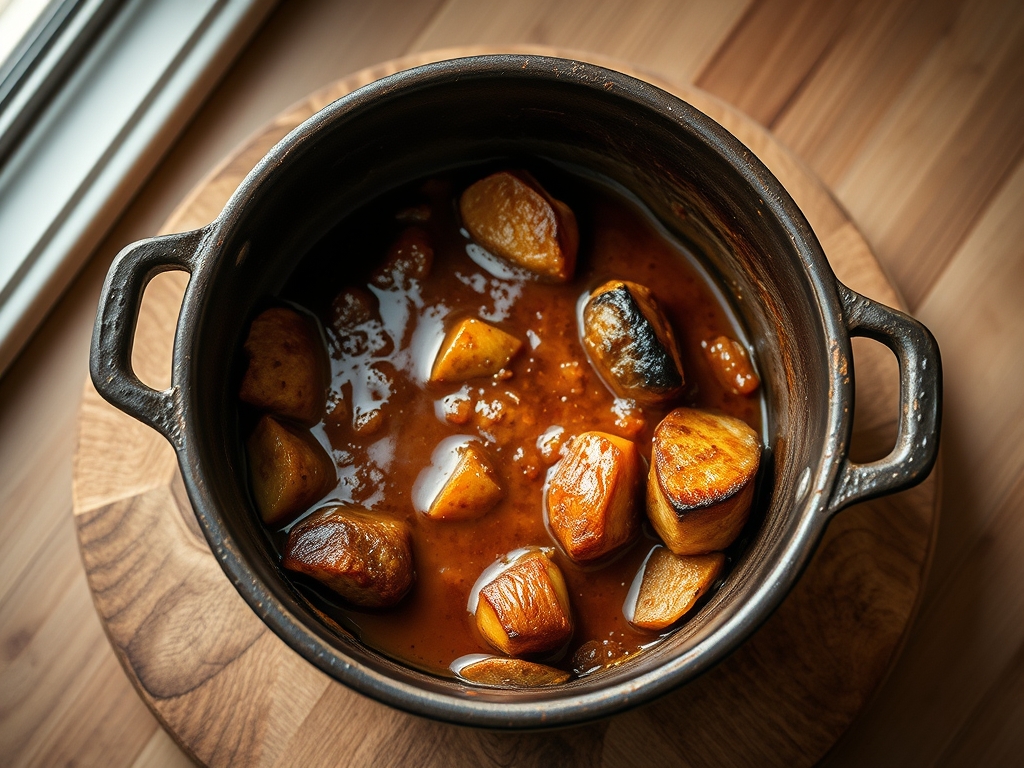
Listen to the sound of high-velocity moisture evaporation. That staccato hiss is the sound of a successful structural transformation. We are not just cooking; we are conducting a rigorous Cast Iron Tofu Audit to ensure your protein achieves a level of structural integrity usually reserved for civil engineering. Most home cooks treat tofu like a soggy sponge, but we are here to treat it like a porous starch matrix capable of extreme dehydration and subsequent Maillard reinforcement. When cold soy protein meets preheated seasoned iron, a chemical skirmish begins. We want a crust so resonant it shatters under a fork, protecting a core that remains viscous and tender. This is about thermal mass management and the strategic application of lipid barriers. If your tofu has ever stuck to a pan or emerged as a flaccid, grey disappointment, your previous protocols have failed. We are here to rebuild your technique from the molecular level up, ensuring every cube is a golden, aerodynamic masterpiece of plant-based architecture.
THE DATA MATRIX
| Metric | Specification |
|---|---|
| Prep Time | 20 Minutes (Pressing Phase) |
| Execution Time | 12 Minutes |
| Yield | 4 Servings |
| Complexity | 4/10 |
| Estimated Cost per Serving | $1.25 USD |
THE GATHERS
Ingredient Protocol:
- 450g / 1 block Extra-Firm Tofu (Vacuum-sealed preferred)
- 30g / 4 tbsp Cornstarch or Arrowroot Powder
- 15ml / 1 tbsp Neutral Oil (Grape seed or Avocado)
- 5g / 1 tsp Kosher Salt
- 2g / 0.5 tsp Smoked Paprika
- 1g / 0.25 tsp Garlic Powder
- 30ml / 2 tbsp Low-Sodium Soy Sauce or Tamari
- 5ml / 1 tsp Toasted Sesame Oil
Section A: Ingredient Quality Audit:
If your tofu is labeled "Firm" instead of "Extra-Firm," you are starting with a structural deficit. Firm tofu contains too much interstitial water, which will render the starch coating into a gummy paste rather than a crisp shell. To fix this, increase your pressing time by 15 minutes using a weighted digital scale or a dedicated tofu press. If your cornstarch smells metallic or musty, it has oxidized; discard it immediately as it will ruin the piquant profile of your seasoning. For those using cast iron that hasn't been seasoned in months, the protein will bond to the iron oxide. Apply a thin layer of flaxseed oil and bake the pan at 450 degrees Fahrenheit for an hour before starting this audit.
THE MASTERCLASS
1. The Moisture Extraction Protocol
Remove the tofu from its packaging and slice it into 2cm cubes using a sharp bench scraper for perfectly vertical edges. Lay the cubes on a lint-free tea towel and place a heavy sheet pan on top. Weight the pan with 2kg of canned goods.
Pro Tip: This stage is about capillary action. Removing surface and internal moisture allows the starch to adhere to the protein fibers rather than floating on a film of water.
2. The Starch Aeration Phase
In a large stainless steel bowl, whisk the cornstarch, salt, paprika, and garlic powder. Use a balloon whisk to aerate the mixture, ensuring no clumps remain. Toss the pressed tofu cubes in the mixture until every facet is opaque.
Pro Tip: Use a digital scale to measure your starch. Too much starch creates a chalky mouthfeel; too little results in a weak crust that will fail to infuse with the oil.
3. Thermal Saturation of the Vessel
Place your 12-inch cast iron skillet over medium-high heat. Add the neutral oil. You are looking for the "shimmer" point, where the oil's viscosity drops and it moves like water across the surface.
Pro Tip: Cast iron has high thermal emissivity. If the oil begins to smoke, you have exceeded the flash point. Use an infrared thermometer to aim for exactly 375 degrees Fahrenheit.
4. The Maillard Execution
Place the tofu cubes in the pan using stainless steel tongs, ensuring they do not touch. Crowding the pan will cause the temperature to plummet, leading to steaming rather than frying. Let them sear undisturbed for 3 minutes per side.
Pro Tip: Resistance is a signal. If the tofu sticks when you try to flip it, the Maillard reaction is incomplete. The protein will naturally "release" from the iron once the crust has fully dehydrated.
5. The Glaze and Deglaze Finish
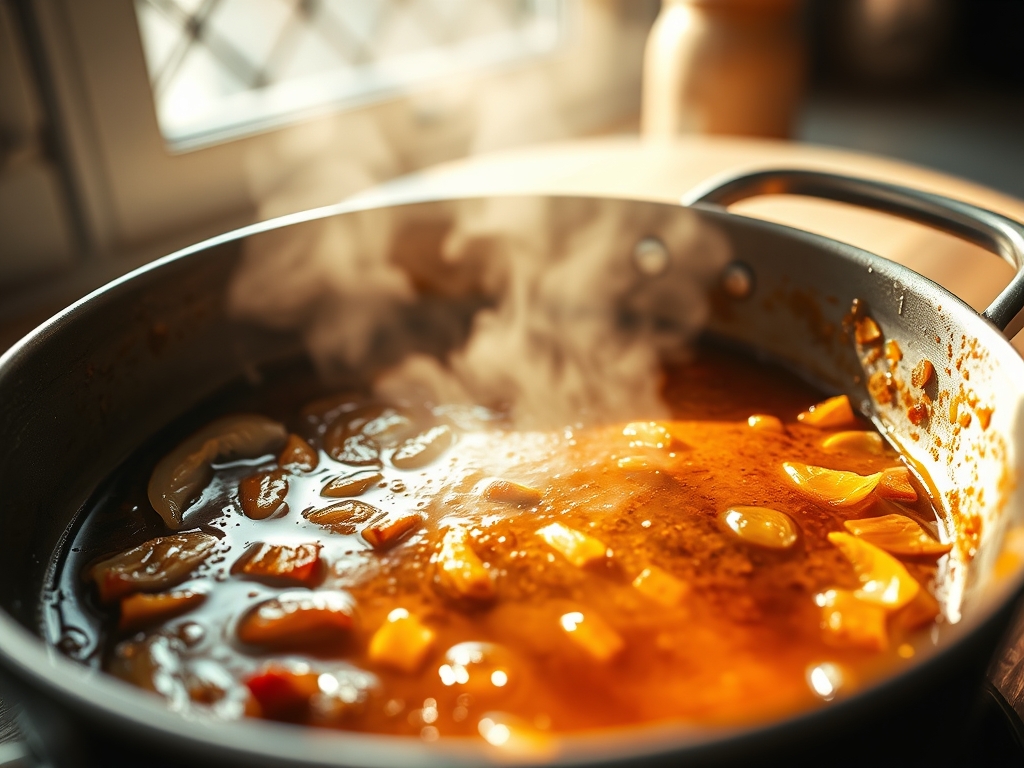
Once all sides are golden, whisk the soy sauce and sesame oil in a small saucier. Pour the liquid over the tofu and toss rapidly. The liquid will deglaze the flavorful fond from the bottom of the pan and coat the cubes.
Pro Tip: The sugars in the soy sauce will caramelize almost instantly. Work fast to prevent burning, which would introduce a bitter alkaloid profile to the dish.
Section B: Prep & Timing Fault-Lines:
The most common human error is "The Nervous Flip." Flipping the tofu too early disrupts the formation of the starch-lipid bond. If your timing is off and the pan gets too hot, the exterior will char while the interior remains cold and flabby. To rectify this, move the pan off the heat source immediately and use the residual thermal mass of the cast iron to finish the cook. If you find the tofu is absorbing too much oil, your pan temperature was likely below 350 degrees Fahrenheit, allowing the oil to penetrate the porous matrix instead of searing the surface.
THE VISUAL SPECTRUM
Section C: Thermal & Visual Troubleshooting:
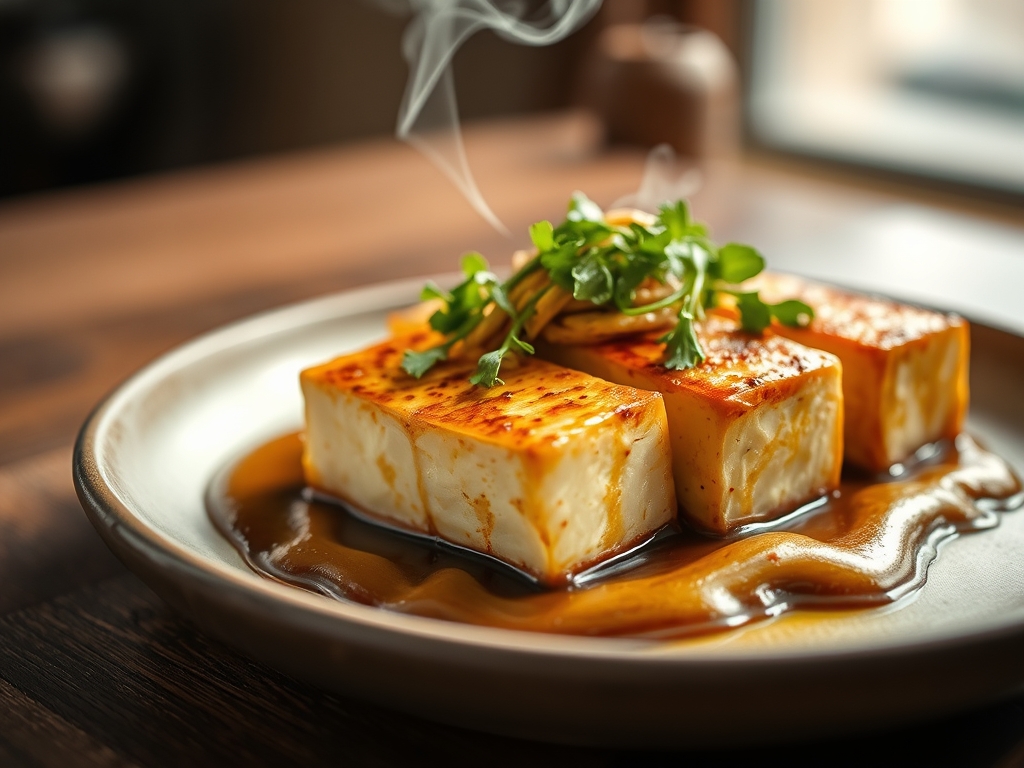
Referencing the Masterclass photo, your objective is a "deep ochre" hue. If your tofu looks pale and translucent, you have failed to achieve starch gelatinization. This usually happens if the tofu was too wet before coating. If the cubes have dark black spots but the sides are white, your heat distribution is uneven; rotate the pan 90 degrees every few minutes to compensate for stove burner "hot spots." The visual cue for a perfect audit is a matte, micro-textured surface that looks like sandpaper. If it looks shiny or wet, the oil was not hot enough to flash-fry the starch.
THE DEEP DIVE
Macro Nutrition Profile:
A single serving of this audited tofu provides approximately 18g of protein, 12g of healthy fats (primarily monounsaturated if using avocado oil), and 10g of complex carbohydrates. It is a nutrient-dense powerhouse with a low glycemic index, making it ideal for sustained energy.
Dietary Swaps:
For a Keto version, replace the cornstarch with crushed pork rinds or almond flour, though the "shatter" factor will be reduced. For a Soy-Free version, use chickpea-based "tofu" (Burmese tofu) and swap soy sauce for coconut aminos. This recipe is naturally Vegan and Gluten-Free provided you use Tamari.
Meal Prep & Reheating Science:
To maintain the molecular structure during storage, do not crowd the tofu in a plastic container, which traps steam and turns the crust into mush. Store in a single layer. To reheat, avoid the microwave at all costs as it vibrates water molecules, destroying the crispness. Instead, use an air fryer or a dry cast iron skillet for 3 minutes to re-dehydrate the surface.
THE KITCHEN TABLE
Why does my tofu always stick to the pan?
Your pan likely lacks a polymerized oil layer, or you are moving the protein before the Maillard reaction has completed the "release" phase. Ensure the oil is shimmering before the tofu makes contact.
Can I use an air fryer instead of cast iron?
You can, but you will lose the superior heat conduction and "crust-crush" texture that only a heavy iron surface provides. Air fryers are convection-based; cast iron is conduction-based. Conduction is king for crust.
What is the best oil for this audit?
Use an oil with a high smoke point. Avocado oil or refined grape seed oil are ideal. Avoid extra virgin olive oil, as its low smoke point will create acrid flavors at these temperatures.
How do I get the seasoning to stick better?
The "Starch Aeration Phase" is key. If the seasoning falls off, your tofu was too dry on the surface. It needs just a microscopic hint of moisture to turn the starch into a functional adhesive.