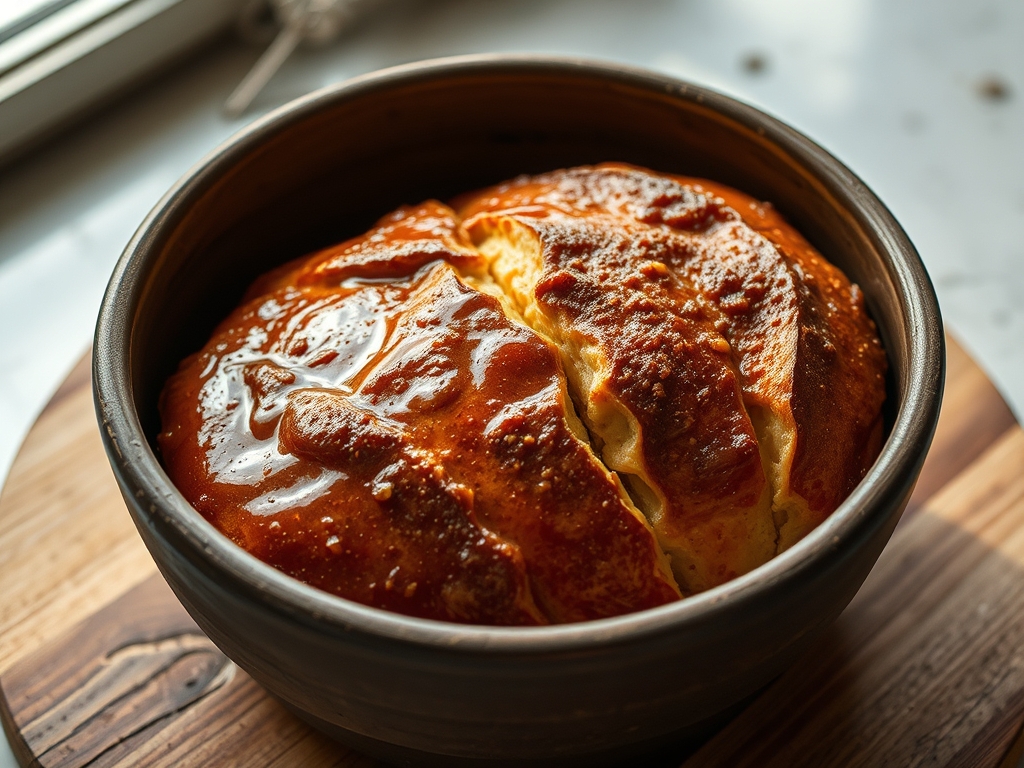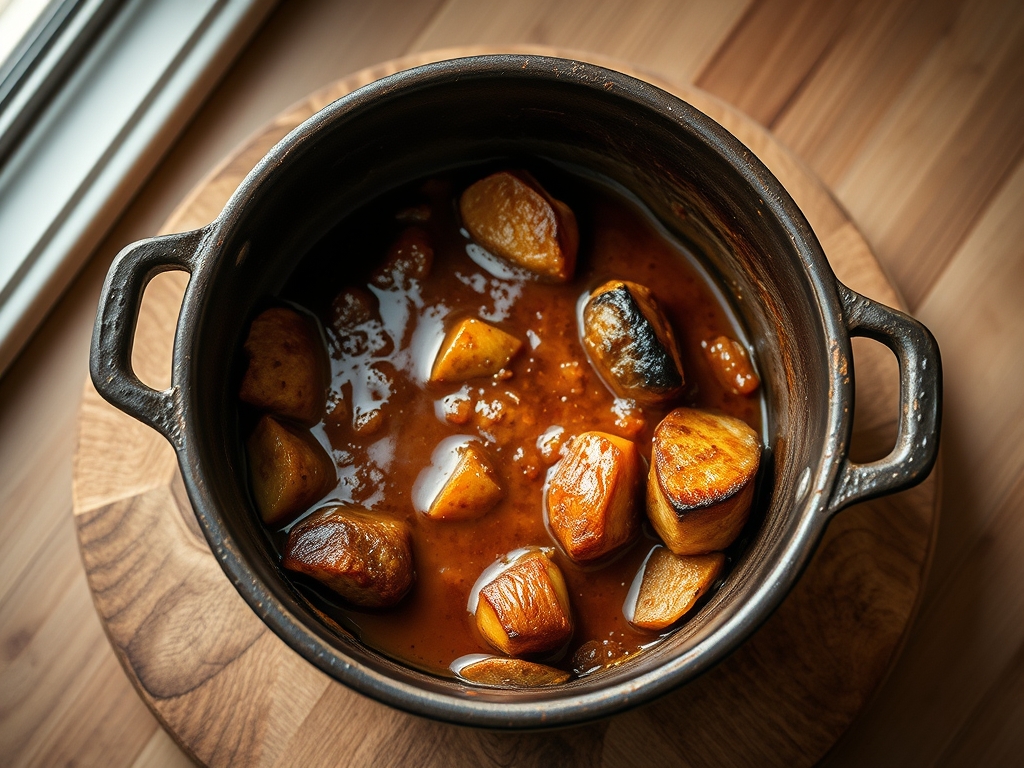
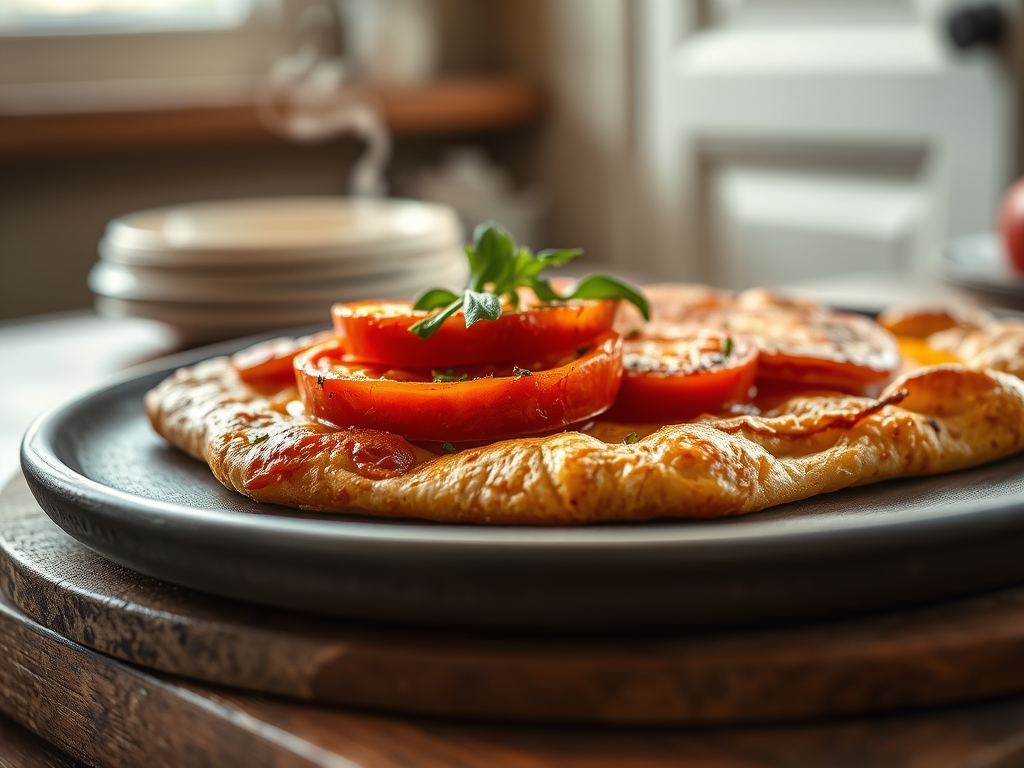
Imagine the sensory overload of a high-pressure service line where the hum of the convection fan meets the intoxicating aroma of caramelizing alliums. We are not just baking; we are conducting a structural engineering project where the primary enemy is moisture. The Savory Tomato Galette is the gold standard of this discipline. It is a rustic, open-faced masterpiece that demands a shatteringly crisp crust to support a payload of jammy, concentrated fruit. When you slice through that golden perimeter, you should hear a distinct architectural failure of the pastry layers. The scent of roasted garlic and thyme should infuse the air, signaling a successful Maillard reaction. This is where high-end gastronomy meets the comforting aesthetic of a country kitchen. If your crust is weeping or your tomatoes are lackluster, your infrastructure has failed. We are here to audit your process, optimize your thermal output, and ensure that every bite delivers a piquant punch of acidity balanced by the rich, buttery fat of a perfectly laminated dough. Let us begin the audit.
THE DATA MATRIX
| Metric | Specification |
|---|---|
| Prep Time | 45 Minutes |
| Execution Time | 50 Minutes |
| Yield | 6 Servings |
| Complexity (1-10) | 7 |
| Estimated Cost per Serving | $2.75 |
THE GATHERS
Ingredient Protocol:
- The Structural Base: 315g / 2.5 cups All-Purpose Flour (unbleached).
- The Lipid Phase: 225g / 1 cup Unsalted European-Style Butter (cold, cubed).
- Hydration: 60ml to 120ml / 0.25 to 0.5 cup Ice Water.
- The Payload: 900g / 2 lbs Heirloom Tomatoes (sliced 1/4 inch thick).
- The Moisture Barrier: 150g / 5.3 oz Goat Cheese or Ricotta.
- Aromatics: 3 cloves Garlic (minced); 15g / 1 tbsp Fresh Thyme.
- Glaze: 1 Large Egg (beaten with 15ml / 1 tbsp water).
- Seasoning: 10g / 2 tsp Flaky Sea Salt; 5g / 1 tsp Cracked Black Pepper.
Section A: Ingredient Quality Audit:
The most common failure in a Savory Tomato Galette is the use of high-moisture, "supermarket" tomatoes. These specimens are often hydroponically grown and lack the cellular density required to withstand high heat without collapsing into a watery mess. To fix this, you must render the excess liquid out before assembly. Salting the slices on a wire rack for 30 minutes is non-negotiable. If your butter has a high water content (typical of budget brands), your pastry will steam rather than flake. Upgrade to a European-style butter with at least 82 percent butterfat to ensure the lipid layers remain distinct. If your herbs are wilted, they will lose their volatile oils in the oven; refresh them in an ice bath for ten minutes to re-turgor the cells before chopping.
THE MASTERCLASS
Step-by-Step Execution:
1. The Pastry Infrastructure
Combine your flour and salt in a chilled stainless steel bowl. Using a bench scraper, cut the cold butter into the flour until you have pea-sized nodules. Drizzle ice water in increments, tossing with a fork until the dough just holds together when squeezed. Do not overwork the gluten.
Pro Tip: Use a digital scale for your measurements. Volume is the enemy of consistency. The science here is "shortening" the gluten strands with fat to ensure a tender, rather than bready, crumb.
2. The Thermal Rest
Flatten the dough into a disk, wrap it in beeswax wrap or plastic, and refrigerate for at least sixty minutes. This allows the flour to fully hydrate and the fats to re-solidify.
Pro Tip: Cold fat is the secret to steam-leavening. When that cold butter hits the hot oven, it evaporates instantly, pushing the flour layers apart to create aerated pockets.
3. The Moisture Barrier Application
Roll the dough out on a floured surface to a 12-inch circle. Transfer to a parchment-lined baking sheet. Spread your cheese in a thin layer over the center, leaving a 2-inch border. This cheese acts as a hydrophobic seal, preventing tomato juice from migrating into the crust.
Pro Tip: Use an offset spatula for an even distribution. An uneven barrier leads to localized "soggy bottom" syndrome, a catastrophic structural failure.
4. The Tomato Alignment
Arrange the pre-salted and patted-dry tomato slices in an overlapping concentric pattern atop the cheese. Sprinkle with garlic and thyme. Fold the pastry edges over the tomatoes, pleating as you go to create a rustic rim.
Pro Tip: Overlapping the tomatoes allows them to protect each other from scorching while the edges render their sugars into a concentrated syrup.
5. The Glaze and Final Fire
Brush the exposed pastry with your egg wash and sprinkle with flaky salt. Bake at 200C / 400F for 40 to 50 minutes until the crust is a deep mahogany.
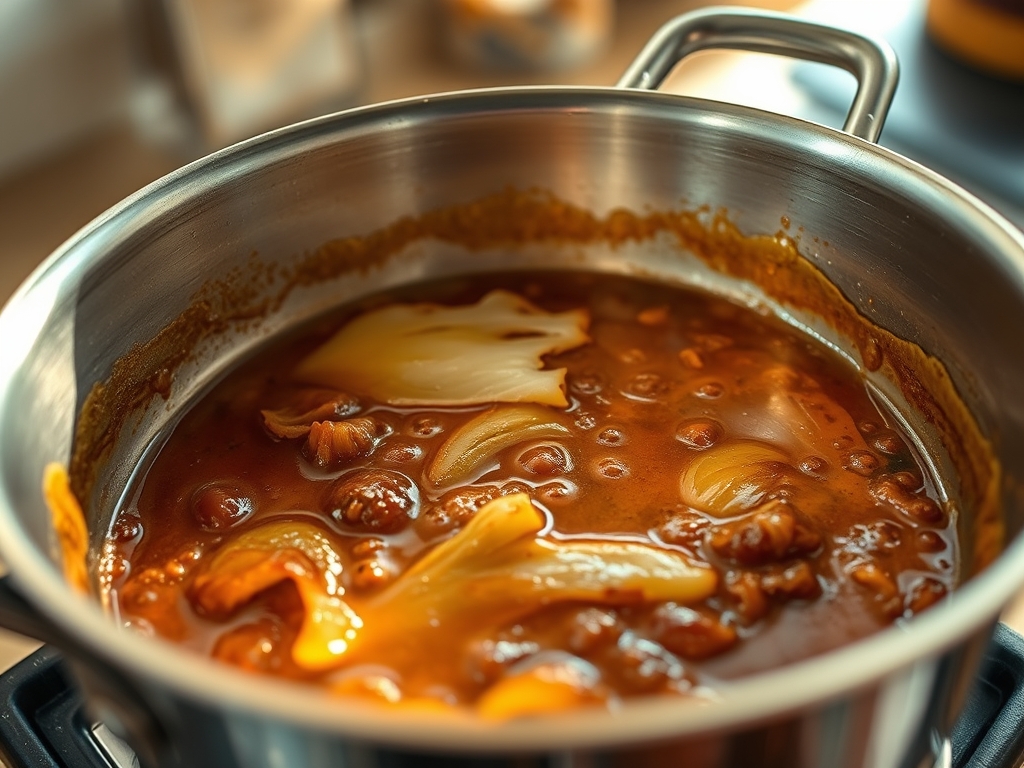
Pro Tip: Use a saucier to prepare a balsamic reduction while the galette bakes. The egg wash provides the protein necessary for a superior Maillard reaction, resulting in that professional golden sheen.
Section B: Prep & Timing Fault-Lines:
Timing is the silent killer. If you roll your dough while it is too cold, it will crack; if it is too warm, the butter will emulsify into the flour, destroying the flake. Aim for a "pliable but cool" temperature of roughly 15C (60F). Another fault-line is the oven preheat. Most domestic ovens lie about their internal temperature. Use an independent oven thermometer to ensure you are hitting a true 200C. If the oven is too cool, the fat will melt and leak out of the pastry before the starch has a chance to set, resulting in a greasy, flat tart.
THE VISUAL SPECTRUM
Section C: Thermal & Visual Troubleshooting:
Observe the Masterclass photo. Note the "blistered" appearance of the tomato skins and the dark, caramelized edges of the crust. If your galette looks pale, you likely lacked enough sugar in the dough or protein in the wash. If the center is liquid, you skipped the salting phase or your oven's bottom heating element is failing. A dull, matte finish on the crust suggests the egg wash was too thick; dilute it slightly with water to ensure it flows into the microscopic crevices of the dough. The tomatoes should look "sun-dried" but still vibrant. If they look grey, they were likely refrigerated before cooking, which breaks down their flavor-producing enzymes.
THE DEEP DIVE
Macro Nutrition Profile:
A single serving typically contains 340 calories; 22g Fat, 31g Carbohydrates, and 8g Protein. The high fat content is essential for the texture, while the tomatoes provide a significant dose of Lycopene and Vitamin C.
Dietary Swaps:
- Vegan: Substitute butter with a high-quality plant-based block (ensure it has a high melting point) and use almond-based ricotta. Use an apricot jam glaze instead of egg.
- Keto: This is difficult for a galette, but a crust made of almond flour, mozzarella, and egg (Fathead dough) can approximate the structure.
- GF: Use a 1-to-1 gluten-free flour blend containing xanthan gum to provide the necessary elasticity.
Meal Prep & Reheating Science:
To maintain the molecular structure, never microwave a galette. The microwave agitates water molecules, turning your crisp crust into a rubbery mess. Reheat in a 175C / 350F oven for 10 minutes. This re-crisps the lipid layers and evaporates any migrated moisture.
THE KITCHEN TABLE
Why is my crust soggy?
You likely skipped the tomato-salting step or the moisture barrier. The salt draws out excess water via osmosis, while the cheese prevents the remaining juice from soaking into the raw dough during the initial bake phase.
Can I use canned tomatoes?
Negative. Canned tomatoes are too viscous and processed for this application. They lack the structural integrity to stand alone. Stick to fresh, firm heirlooms or plum tomatoes for the best architectural results.
How do I get that professional shine?
The secret is a double-strained egg wash. Whisk the egg with a pinch of salt to break down the proteins, then strain it through a fine-mesh sieve to remove any chalazae. This ensures a perfectly smooth, glass-like finish.
My dough kept shrinking in the oven?
This indicates over-developed gluten. You likely kneaded the dough too much or didn't let it rest long enough. Resting allows the gluten network to relax, ensuring the dough stays exactly where you pleated it.