Stop thinking about the soggy, waterlogged lumps of dough that have plagued your past; we are entering the realm of high-velocity pan searing. Welcome to the Skillet Gnocchi Audit, where we strip away the inefficient traditional boiling methods and replace them with direct thermal contact. The goal is a structural masterpiece: a golden, shatter-crisp exterior protecting a cloud-like, pillowy interior. This is not just a meal; it is a structural assessment of starch gelatinization and the Maillard reaction. We are looking for that specific sound of a wooden spoon scraping against a perfectly caramelized crust. If your kitchen does not currently smell like nutty brown butter and toasted potato flour, your infrastructure is failing. We are here to recalibrate your stove-top operations to ensure maximum textural contrast. By the time we finish this audit, you will treat every gnocchi nugget as a tiny, delicious brick in a wall of flavor. Let us dive into the data and optimize your pan-searing workflow for peak gastronomic efficiency.
THE DATA MATRIX
| Metric | Specification |
|---|---|
| Prep Time | 10 Minutes |
| Execution Time | 15 Minutes |
| Yield | 4 Servings |
| Complexity (1-10) | 4 |
| Estimated Cost per Serving | $2.75 |
THE GATHERS
Ingredient Protocol:
- 500g / 1.1 lbs Shelf-stable or fresh potato gnocchi
- 60g / 4 tbsp Unsalted high-fat butter
- 30ml / 2 tbsp Extra virgin olive oil
- 4 Large cloves of garlic (thinly sliced)
- 5g / 1 tsp Red pepper flakes
- 120ml / 0.5 cup Freshly grated Parmigiano-Reggiano
- 10g / 0.25 cup Fresh basil leaves (chiffonade)
- 2g / 0.5 tsp Flaky sea salt
- 1g / 0.25 tsp Freshly cracked black pepper
Section A: Ingredient Quality Audit:
The primary failure point in most starch-based operations is moisture content. If your gnocchi feel tacky or wet out of the package, they will steam rather than sear. Dehydrate the surface by spreading them on a wire rack for ten minutes before they hit the heat. If using vacuum-sealed gnocchi, check the expiration; stale starch undergoes retrogradation, leading to a gritty, unpleasant mouthfeel. For the fat component, ensure your butter has a high milk-solid content. Lower-quality butter contains excess water that will interfere with the crisping process. If your garlic is sprouting green "germs" in the center, remove them; those bitter sprouts will ruin the piquant profile of your finished sauce.
THE MASTERCLASS
1. Thermal Priming of the Vessel
Place a heavy-bottomed stainless steel skillet or cast iron pan over medium-high heat. Add the olive oil and allow it to shimmer. We are looking for a surface temperature of approximately 190C / 375F. Use an infrared thermometer if you want to be precise.
Pro Tip: A heavy pan acts as a thermal heat sink. Using a digital scale to weigh your fats ensures the perfect ratio of lubrication to starch, preventing the gnocchi from sticking to the microscopic pores of the metal.
2. The Initial Starch Deployment
Drop the gnocchi into the pan in a single layer. Do not overcrowd the vessel. Let them sit undisturbed for three full minutes. Resistance is futile; do not shake the pan yet. We need to establish a structural crust through the Maillard reaction.
Pro Tip: This stage is about rendering the moisture out of the outer skin. Professional chefs use a bench scraper to check the underside of a single piece without disturbing the heat distribution of the entire batch.
3. Emulsification and Aromatics
Once the bottom is golden, toss the gnocchi and add the butter. As the butter melts and begins to foam, add the sliced garlic and red pepper flakes. The butter will begin to infuse with the aromatics while the milk solids brown.
Pro Tip: Use a saucier-style whisking motion with the pan to move the butter. This helps aerate the fat, creating a lighter, more viscous coating that clings to the gnocchi rather than pooling at the bottom.
4. The Deglaze and Finish
If the pan becomes too dry, add a splash of pasta water or white wine to deglaze the fond (the brown bits) from the bottom. Turn off the heat and immediately toss in the Parmigiano-Reggiano and basil. The residual heat will melt the cheese into a silky lacquer.
Pro Tip: Timing is critical here. If the heat is too high when the cheese is added, the proteins will clump and separate from the fats. A gentle toss ensures a perfect emulsion.
Section B: Prep & Timing Fault-Lines:
The most common human error is "The Panic Flip." Flipping the gnocchi too early destroys the developing crust and results in a gummy mess. Another fault-line is temperature management. If the pan is too cold, the gnocchi absorb the oil like a sponge, leading to a greasy finish. If it is too hot, the garlic burns before the gnocchi center is heated through. Maintain a steady medium-high flame and trust the "release" cue; when the starch is properly seared, it will naturally detach from the pan surface.
THE VISUAL SPECTRUM
Section C: Thermal & Visual Troubleshooting:
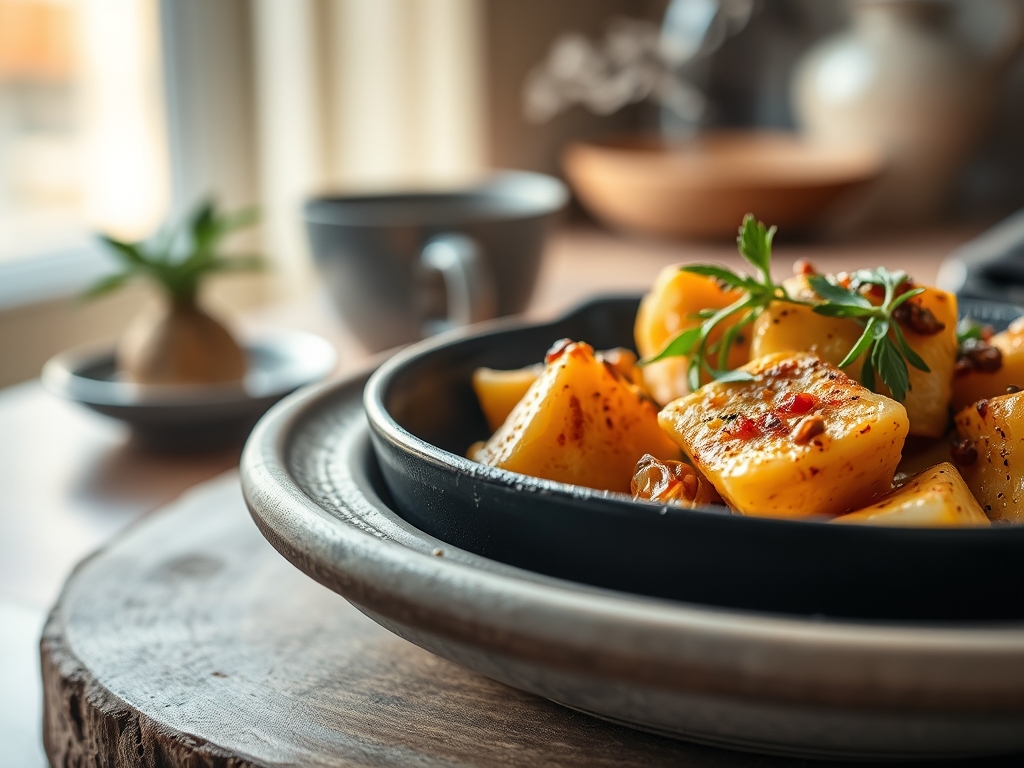
Referencing the Masterclass photo, you should see a variegated landscape of deep mahogany and pale gold. If your gnocchi look monochromatic and dull, you likely used too much oil and not enough butter; butter provides the milk solids necessary for dark browning. If the edges appear ragged, you handled them too aggressively with a spatula. The goal is a "puffed" appearance. If the basil looks black rather than vibrant green, it was added too early. The residual heat of the pan is sufficient to wilt the herbs without oxidizing their volatile oils.
THE DEEP DIVE
Macro Nutrition Profile:
A standard serving of skillet gnocchi provides approximately 450 calories, with 55g of carbohydrates, 18g of fat, and 12g of protein. The high fat content comes from the butter and cheese, which are essential for the satiety and flavor delivery of the dish.
Dietary Swaps:
For a Vegan infrastructure, replace the butter with a high-quality vegan block (oil-based) and use nutritional yeast or cashew-based parmesan. For Gluten-Free requirements, cauliflower gnocchi are an excellent substitute, though they require a slightly longer sear time due to higher water content. Keto adherents should opt for "gnudi" made primarily of ricotta and almond flour.
Meal Prep & Reheating Science:
Gnocchi are notorious for losing their structural integrity when refrigerated. To maintain the molecular structure, do not microwave them. Instead, reheat in a dry skillet over medium heat. This "re-sears" the exterior and prevents the interior from becoming rubbery through starch retrogradation.
THE KITCHEN TABLE
Why are my gnocchi sticking to the pan?
Your pan was likely not hot enough before deployment, or you tried to flip them before the crust fully formed. Ensure the oil is shimmering and wait for the "natural release" before agitation.
Can I use frozen gnocchi for this audit?
Yes, but do not thaw them. Thawing creates a moisture barrier that prevents crisping. Throw them directly into the hot fat, but increase the sear time by two minutes to ensure the core reaches a safe temperature.
What is the best pan for this process?
Cast iron or carbon steel is king. These materials have high emissivity and heat retention, which are vital for maintaining the constant thermal energy required to transform soft dough into a crispy, golden delight.
How do I prevent the garlic from burning?
Add the garlic only after the gnocchi have achieved their initial sear. Garlic has a high sugar content and low burn point; it only needs sixty seconds of contact with hot fat to release its flavor.