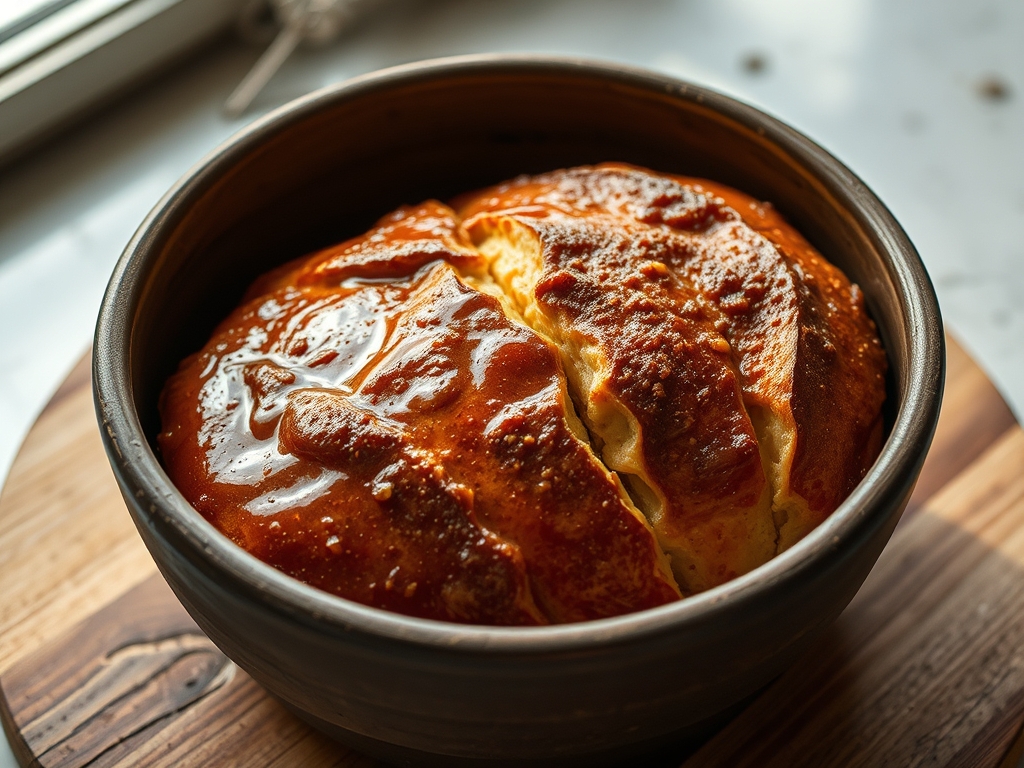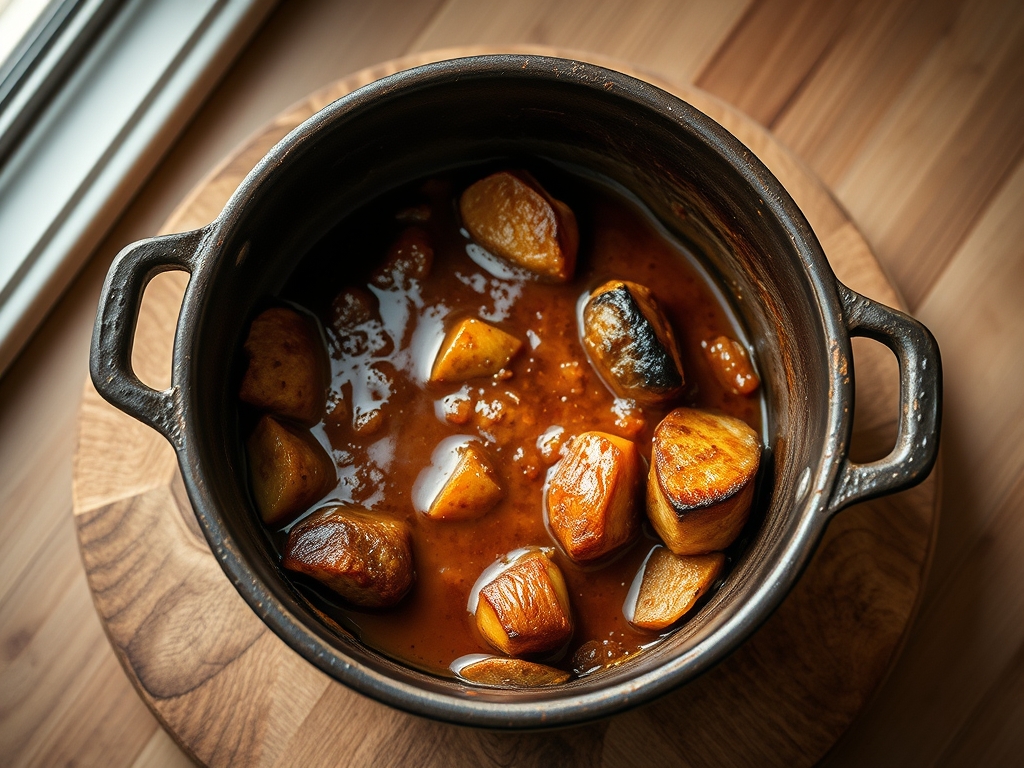
Listen to the sound of high performance kitchen infrastructure. It is the rhythmic scrape of a stainless steel bench scraper against a cold marble slab and the low hiss of moisture departing a heavy bottomed skillet. We are not just cooking; we are engineering a Rustic Onion Galette. This is the ultimate study in textural contrast where the shatter of laminated pastry meets the jammy, concentrated essence of slow rendered alliums. When you commit to this build, you are signing up for a masterclass in the Maillard reaction. We are taking the humble onion and subjecting it to a thermal transformation that turns sharp, piquant juices into a viscous, mahogany nectar. The aroma alone is a structural hazard to your self control. This galette is a testament to the power of simple ingredients when they are disciplined by precise technique and high intensity heat. Forget the soggy, underpowered tarts of your past. We are building a crust that stands up to the weight of the filling and a flavor profile that resonates with deep, savory complexity.
THE DATA MATRIX
| Metric | Specification |
|---|---|
| Prep Time | 45 Minutes |
| Execution Time | 60 Minutes |
| Yield | 6 to 8 Servings |
| Complexity | 7 / 10 |
| Estimated Cost per Serving | $1.45 USD |
THE GATHERS
Ingredient Protocol:
- 500g / 4 cups All-purpose flour
- 225g / 1 cup Unsalted butter (chilled and cubed)
- 5g / 1 tsp Fine sea salt
- 120ml / 0.5 cup Ice water
- 1kg / 2.2 lbs Yellow onions (thinly sliced)
- 30ml / 2 tbsp Extra virgin olive oil
- 15g / 1 tbsp Fresh thyme leaves
- 100g / 1 cup Gruyere cheese (finely grated)
- 15ml / 1 tbsp Balsamic vinegar (to deglaze)
- 1 Egg (for wash)
Section A: Ingredient Quality Audit:
The primary failure point in a Rustic Onion Galette is moisture management. If your onions are too young or high in water content, they will steam rather than caramelize. To fix this, increase your rendering time and ensure you do not crowd the pan. If your butter is not cold enough (above 15C / 60F), the pastry will lose its structural integrity and become greasy rather than flaky. Always chill your cubed butter in the freezer for ten minutes before integrating. If your flour has a low protein content, the crust may crumble; compensate by adding a teaspoon of apple cider vinegar to your water to help strengthen the dough structure without making it tough.
THE MASTERCLASS
Step-by-Step Execution:
1. The Pastry Foundation
Combine your flour and salt in a large chilled bowl. Using a pastry cutter or your fingertips, work the cold butter into the flour until you have pea sized lumps. Slowly drizzle in the ice water while tossing with a fork until the dough just holds together. Turn it onto a clean surface and use a bench scraper to fold the dough over itself three times. Wrap in plastic and refrigerate for at least one hour.
Pro Tip: This folding process, known as frisage, creates long streaks of butter that expand in the oven. This creates steam pockets that aerate the dough, resulting in a professional grade laminated texture.
2. The Allium Reduction
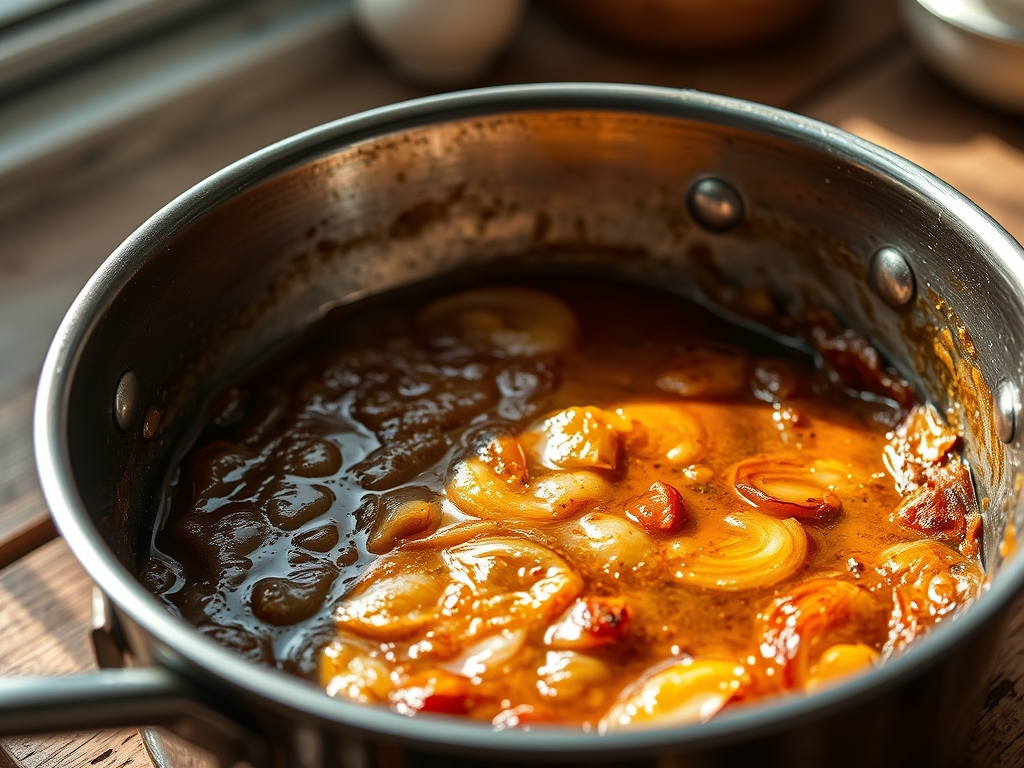
Heat your olive oil in a wide saucier or heavy skillet over medium low heat. Add the sliced onions and a pinch of salt. Cook slowly, stirring occasionally, for 30 to 40 minutes. Once the onions have reached a deep amber hue, add the thyme and use the balsamic vinegar to deglaze the pan, scraping up every bit of browned flavor from the bottom.
Pro Tip: Patience is the chemical catalyst here. Slow heat allows the sugars to break down and infuse with the fat. If the pan looks dry, add a tablespoon of water rather than more oil to keep the emulsion stable.
3. Structural Assembly
Preheat your oven to 200C / 400F. Roll the chilled dough out on a floured surface into a rough 12 inch circle. Transfer to a parchment lined baking sheet. Spread the grated Gruyere in the center, leaving a two inch border. Top with the cooled caramelized onions. Fold the edges of the dough over the filling, overlapping as you go to create a rustic, hand folded frame.
Pro Tip: Use a digital scale to ensure your dough thickness is uniform (about 3mm). An uneven base will lead to "soggy bottom" syndrome where the center fails to bake through before the edges burn.
4. The Thermal Finish
Brush the exposed crust with a beaten egg wash for a high gloss finish. Bake for 30 to 35 minutes until the crust is deep golden brown and the cheese is bubbling. Let the galette rest on a wire rack for ten minutes before slicing.
Pro Tip: Resting the galette allows the viscous onion sugars to set. If you cut it immediately, the structural integrity will fail and the juices will migrate, ruining the crispness of the base.
Section B: Prep & Timing Fault-Lines:
The most common human error is rushing the onion reduction. High heat will char the exterior of the onion while leaving the interior raw and sulfurous. If you see black edges, reduce heat immediately and add a splash of water. Another timing hazard is the dough temperature. If the dough becomes too warm during rolling, the butter will melt into the flour. If this happens, slide the entire tray into the fridge for fifteen minutes before it hits the oven. Precision in temperature control is the difference between a soggy mess and a crisp masterpiece.
THE VISUAL SPECTRUM
Section C: Thermal & Visual Troubleshooting:
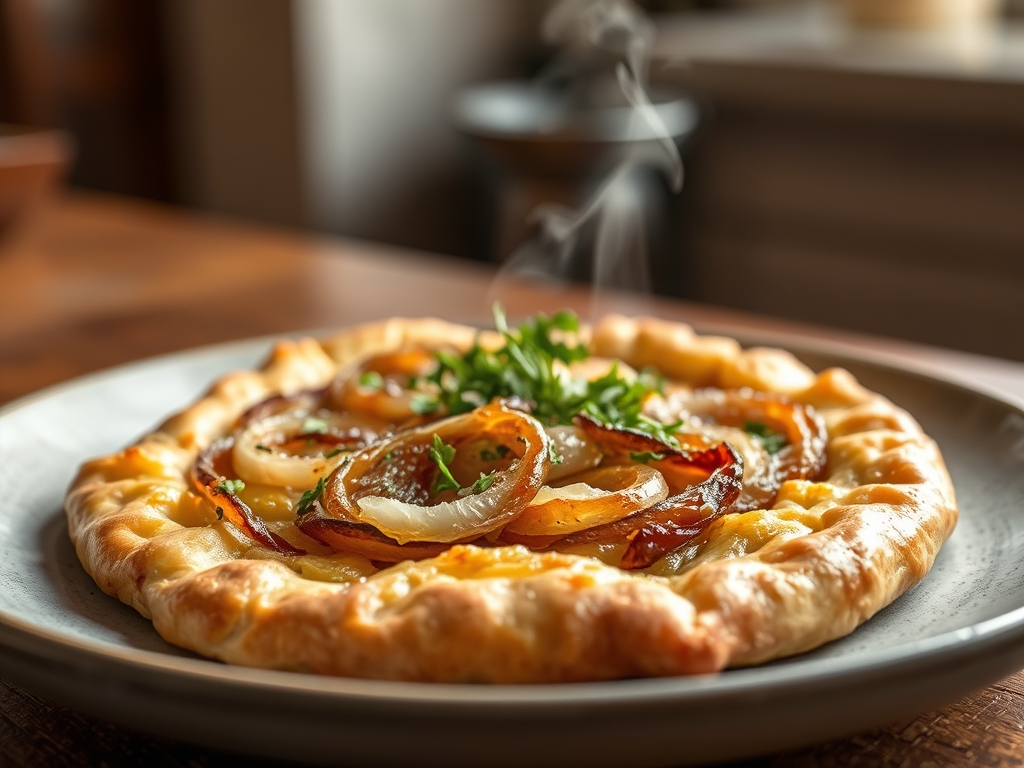
Referencing our masterclass photo, you are looking for a specific "shatter-crisp" appearance on the crust edges. If your galette looks pale and matte, your oven temperature is likely too low or you skipped the egg wash. If the onions look black rather than mahogany, they have crossed from caramelization into carbonization; next time, lower the flame. If the center looks wet, the onions were not drained of excess oil or moisture before assembly. The visual cue for success is a crust that looks like toasted parchment and onions that have a jam-like, glistening sheen.
THE DEEP DIVE
Macro Nutrition Profile:
A single serving provides approximately 320 calories, 18g of fat, 34g of carbohydrates, and 7g of protein. The high fat content comes from the butter and cheese, which are essential for the textural delivery of the dish.
Dietary Swaps:
- Vegan: Substitute the butter with a high quality plant based shortening and use a nutritional yeast and cashew cream mixture instead of Gruyere.
- Keto: This is difficult due to the pastry, but a crust made of almond flour and xanthan gum can approximate the structure.
- GF: Use a 1:1 gluten free flour blend that contains rice flour and potato starch for the best "snap."
Meal Prep & Reheating Science:
To maintain the molecular structure, never reheat in a microwave. The electromagnetic waves will turn the crust into a rubbery sponge. Instead, use a 175C / 350F oven for 8 minutes. This re-activates the fats and crisps the exterior without drying out the allium center.
THE KITCHEN TABLE
How do I prevent the bottom from getting soggy?
Ensure your onions are completely cool before placing them on the dough. A hot filling will melt the butter in the raw pastry instantly, preventing the layers from separating and crisping during the bake.
Can I use red onions instead?
Yes, but red onions have a higher anthocyanin content which can turn a muddy color when cooked for long periods. Yellow or Spanish onions provide the most consistent, golden visual results for this specific infrastructure.
What if I don't have a bench scraper?
You can use a large knife or even two forks, but a bench scraper is the superior tool for keeping the dough cold. It minimizes hand contact, which prevents body heat from compromising the butter's solid state.
How long does the dough keep?
You can store the raw dough in the refrigerator for up to 48 hours or freeze it for three months. Always allow frozen dough to thaw in the fridge overnight before attempting to roll it out.