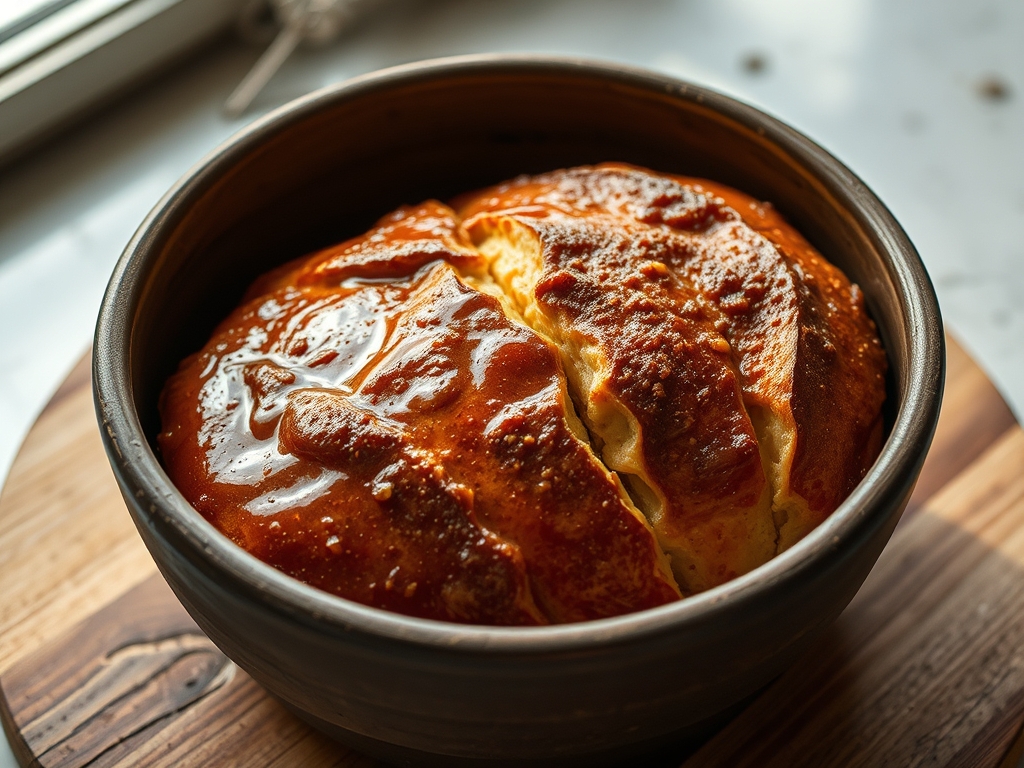
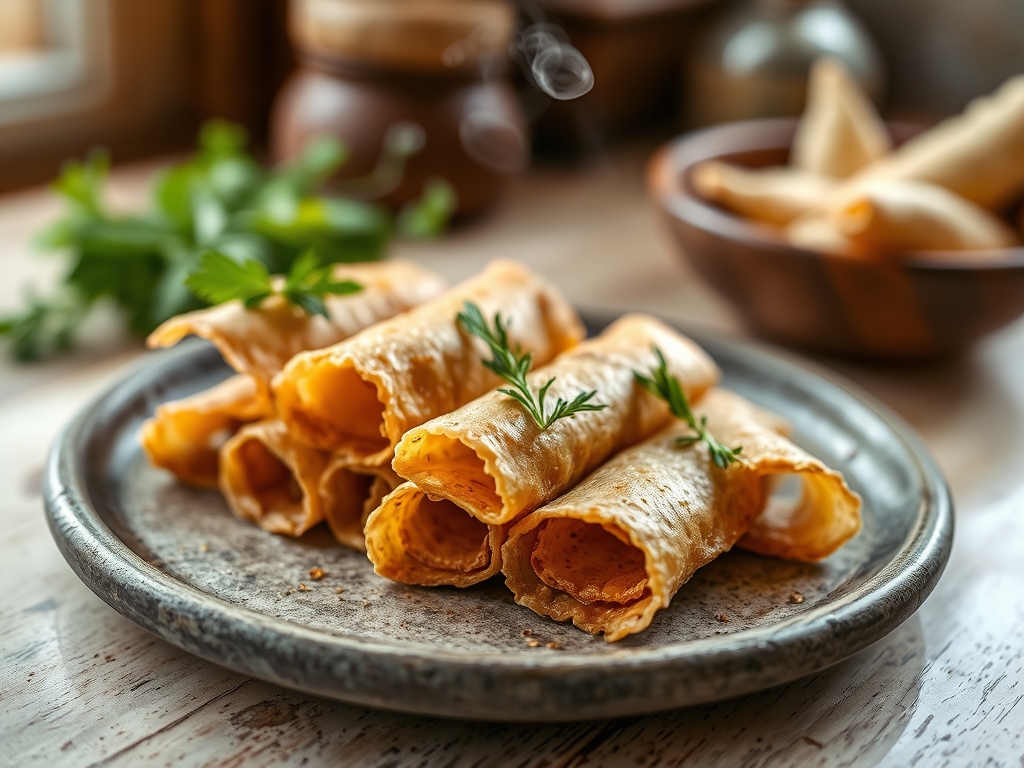
Listen to that sound. It is not a crumble; it is a structural failure of the highest order. When you snap a batch of properly engineered Hand Rolled Crackers, the acoustic profile should mimic a glass rod fracturing under tension. We are moving away from the pillowy, chemically leavened disappointments of the grocery aisle and entering the realm of low-hydration mastery. This is culinary architecture. We are manipulating gluten networks and moisture migration to create a vessel that is simultaneously delicate and indestructible. To achieve this, we must respect the flour-to-water ratio with the same intensity a diamond cutter respects a raw stone. Every millimeter of thickness matters. Every percentage of fat content dictates the final shatter. If you are looking for a soft, bready snack, exit the kitchen now. We are here to render fat into flour, infuse the dough with high-intensity aromatics, and bake until the Maillard reaction transforms humble starch into a golden, piquant masterpiece of snap and crunch.
THE DATA MATRIX
| Metric | Specification |
|---|---|
| Prep Time | 20 Minutes |
| Execution Time | 15 Minutes |
| Yield | 48 – 60 Crackers |
| Complexity (1-10) | 4 |
| Estimated Cost per Serving | $0.22 |
THE GATHERS
Ingredient Protocol:
- 500g / 3.75 cups All-Purpose Flour (11.5% protein content preferred)
- 10g / 2 tsp Fine Sea Salt
- 5g / 1 tsp Granulated Sugar (for browning acceleration)
- 60ml / 0.25 cup Extra Virgin Olive Oil (high polyphenol count)
- 180ml / 0.75 cup Chilled Filtered Water
- 15g / 1 tbsp Dried Rosemary, pulverized
- 5g / 1 tsp Flaky Finishing Salt (Maldon or similar)
Section A: Ingredient Quality Audit:
The primary failure point in Hand Rolled Crackers is often the flour's protein variance. If your dough feels like rubber and snaps back during rolling, your gluten network is over-developed or your flour is too "strong." Fix this by incorporating a 10% substitution of cornstarch to weaken the protein structure. Conversely, if the crackers are sandy and lack structural integrity, your fat-to-water ratio is skewed. Ensure you use chilled water; warm water encourages premature gluten bonding, which leads to a tough, leathery texture rather than a crisp snap. If your olive oil lacks a piquant bite, it is likely oxidized. Always taste your fats before integration.
THE MASTERCLASS
1. The Dry Integration
Place your flour, salt, sugar, and pulverized rosemary into a large stainless steel mixing bowl. Use a whisk to aerate the mixture, ensuring the salt and sugar are distributed evenly throughout the starch. This prevents "hot spots" of seasoning and ensures a uniform Maillard reaction across the entire surface area of the cracker.
Pro Tip: Use a digital scale for this step. Volumetric measurements for flour are notoriously inaccurate due to compression. A digital scale ensures the low-hydration ratio remains precise, preventing a sticky dough that ruins the rolling phase.
2. Emulsifying the Lipids
Create a well in the center of your dry ingredients. Pour in the olive oil and half of the chilled water. Using a bench scraper, fold the flour over the liquid. Continue adding the remaining water in small increments until a shaggy, cohesive mass forms. You are looking for a dough that barely holds together; it should feel slightly dry to the touch.
Pro Tip: The bench scraper is your best friend here. It allows you to cut the fat into the flour without the heat of your hands melting the lipids or over-working the gluten. Keep the dough cool to maintain a short, crisp crumb.
3. The Structural Rest
Turn the dough onto a clean surface and knead for exactly sixty seconds. We are not making bread; we do not want a bouncy, elastic texture. Wrap the dough tightly in plastic film and let it hydrate at room temperature for thirty minutes. This allows the moisture to migrate evenly through the starch granules.
Pro Tip: This rest period is non-negotiable. It allows the gluten to relax, which is the only way to achieve the paper-thin consistency required for Hand Rolled Crackers. Skipping this results in thick, uneven browning.
4. Precision Rolling
Divide the dough into four equal quadrants. Using a heavy rolling pin, flatten one quadrant at a time until it is translucent. You should be able to see the grain of your wooden cutting board through the dough. If the dough resists, stop, cover it, and let it rest for another five minutes.
Pro Tip: Professional bakers often use a pasta machine for this step to ensure absolute thickness uniformity. If rolling by hand, use a ruler to check that the dough is no thicker than 1.5 millimeters.
5. The Docking and Cutting
Use a docker or a fork to pierce the surface of the dough repeatedly. This creates steam vents that prevent the crackers from puffing up like pita bread. Use a fluted pastry wheel or a sharp knife to cut the dough into 2-inch squares. Transfer the pieces to a parchment-lined baking sheet.
Pro Tip: Docking is the secret to the "flat" in flatbread. Without these vents, the steam trapped between the layers will create large air pockets, leading to a fragile, messy cracker that shatters prematurely.
6. The Thermal Finish
Mist the surface lightly with water and sprinkle with flaky salt. Bake at 200C (400F) for 12 to 15 minutes. Rotate the tray halfway through to ensure even heat distribution. Remove the crackers when the edges are deep amber and the centers are pale gold.
Pro Tip: Use an infrared thermometer to check your oven's true temperature. Most home ovens fluctuate by 20 degrees. For the perfect snap, you need a consistent, high-heat environment to rapidly evaporate the remaining moisture.
Section B: Prep & Timing Fault-Lines:
The most common human error is the "rush to roll." If you do not allow the dough to hydrate, you will fight the elasticity, resulting in crackers that are too thick in the center. This leads to a "chewy" cracker, which is a culinary oxymoron. Another fault-line is the cooling process. If you stack Hand Rolled Crackers while they are still warm, the residual steam will soften the neighboring crackers, destroying the crispness you worked so hard to achieve. Always cool them in a single layer on a wire rack.
THE VISUAL SPECTRUM
Section C: Thermal & Visual Troubleshooting:
Look at the Masterclass photo. Notice the micro-blisters on the surface; these are the result of proper docking and high-heat moisture evaporation. If your crackers are a uniform, dull brown, your oven temperature was too low, causing the dough to dry out rather than crisp. If the edges are burnt but the center is white, your rolling was uneven. The visual cue for perfection is a "leopard-spotting" effect where the rosemary and salt crystals are trapped in a variegated landscape of gold and tan. If the crackers look "matte" or dusty, you likely used too much bench flour during the rolling process. Brush off excess flour before baking to ensure a vibrant, oily sheen.
THE DEEP DIVE
Macro Nutrition Profile:
Per serving (5 crackers), expect approximately 140 calories, 6g fat, 18g carbohydrates, and 3g protein. The high-quality olive oil provides monounsaturated fats, while the low sugar content keeps the glycemic load manageable.
Dietary Swaps:
- Vegan: This recipe is naturally vegan.
- Keto: Substitute the flour with a blend of almond flour and xanthan gum (though the snap will be less "glass-like").
- GF: Use a high-quality 1-to-1 gluten-free flour blend, but increase the rest time to 60 minutes to allow the binders to fully hydrate.
Meal Prep & Reheating Science:
To maintain the molecular structure, store these in an airtight glass container with a desiccant pack. If they lose their snap due to humidity, do not microwave them. Re-crisp them in a 150C (300F) oven for three minutes to drive out the absorbed moisture and re-solidify the fat matrix.
THE KITCHEN TABLE
Why are my crackers tough instead of crispy?
You likely over-worked the dough or used a high-protein bread flour. Over-kneading develops too much gluten, creating a rubbery texture. Stick to all-purpose flour and minimal handling to ensure a delicate, brittle fracture.
Can I add fresh herbs instead of dried?
Fresh herbs contain moisture which can create localized "soggy" spots. If using fresh, mince them extremely fine and sauté them in the olive oil first to render out the water and infuse the lipid phase with flavor.
My crackers are browning unevenly. What happened?
This is a classic "hot spot" issue or uneven rolling. Ensure your dough is a uniform thickness across the entire sheet. Use a heavy-duty baking stone to provide consistent radiant heat from the bottom up.
How long will these stay fresh?
In a low-humidity environment and an airtight container, Hand Rolled Crackers will maintain their structural integrity for up to two weeks. If they begin to smell "paint-like," the oils have oxidized and the batch should be discarded.