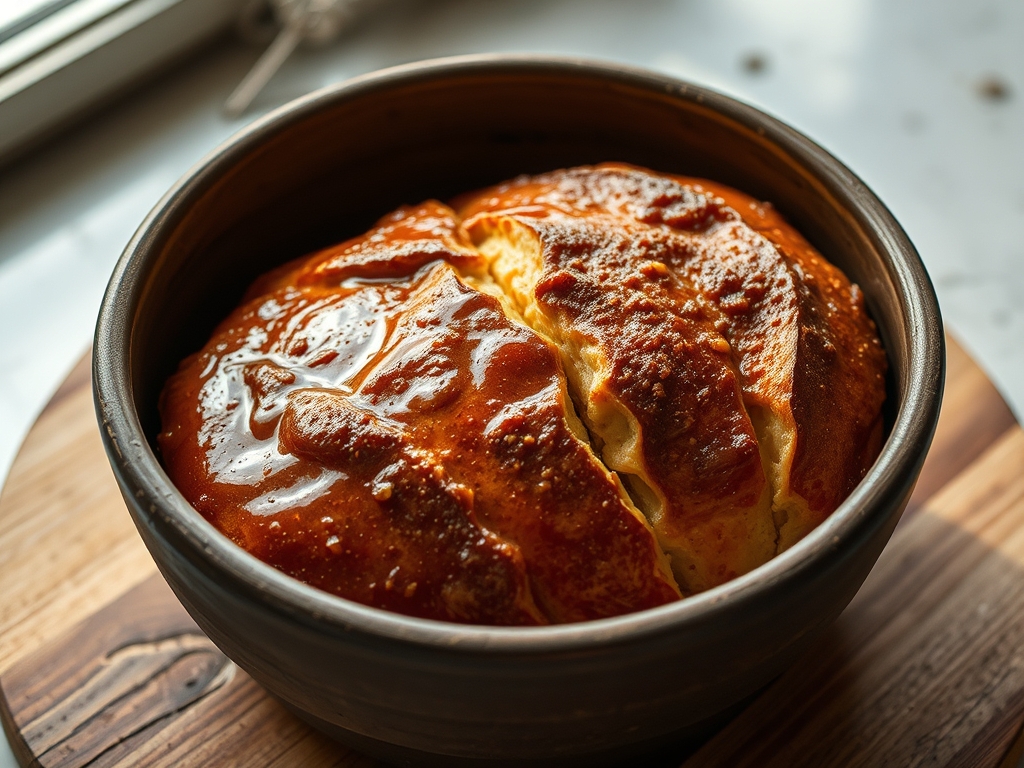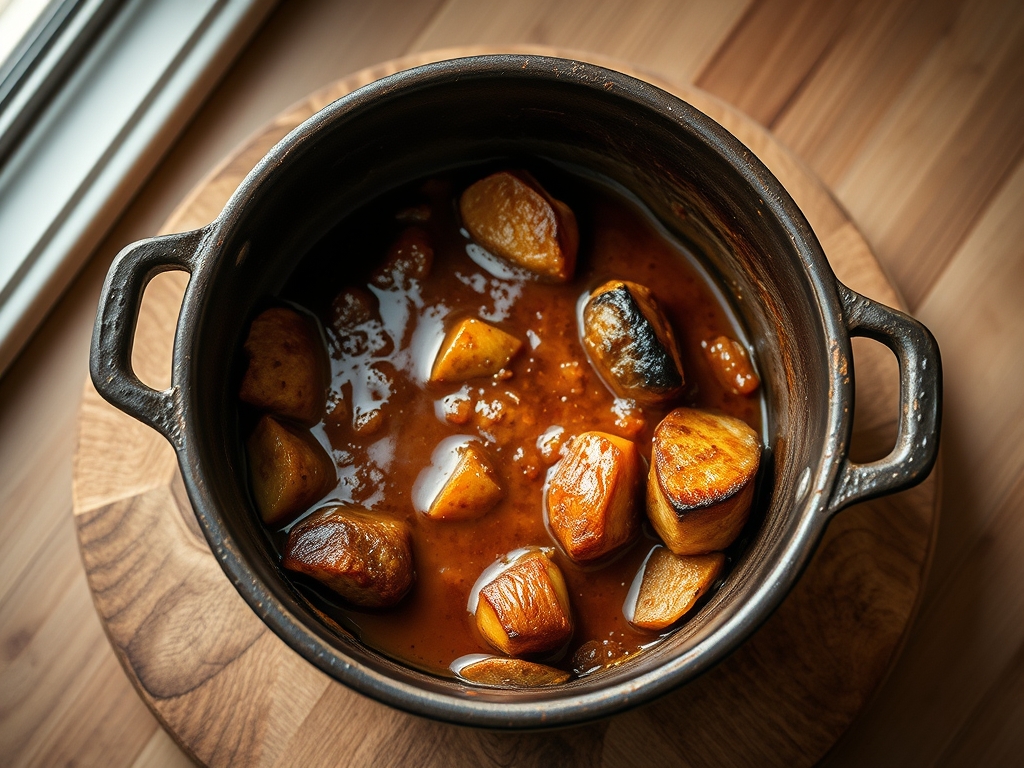
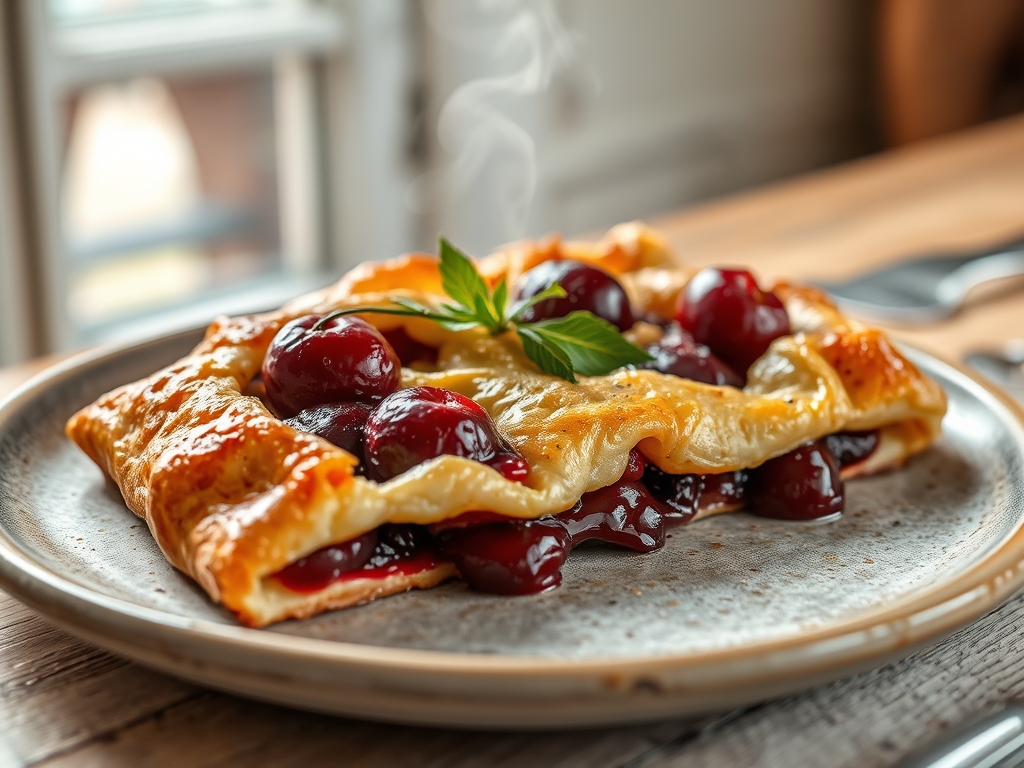
Listen to the sound of the structural collapse. That is the sound of a perfect crust yielding to the weight of a dozen macerated stone fruits. We are not merely baking a dessert; we are engineering a vessel for seasonal saturation. The Rustic Cherry Galette is the apex of pastry infrastructure. It demands no fussy fluted tins or blind baking weights. Instead, it relies on the raw integrity of cold fats and the high-velocity evaporation of moisture. Imagine the scent of butter browning against the piquant aroma of bursting cherries. The juice should be viscous, almost syrupy, bleeding slightly into the golden folds of the dough. This is a study in controlled chaos. When you pull this from the oven, the visual spectrum is a riot of deep crimson and charred ochre. It is rustic because it is honest, but do not mistake honesty for a lack of precision. We are here to audit your technique and ensure your kitchen infrastructure can handle the load.
THE DATA MATRIX
| Metric | Value |
|---|---|
| Prep Time | 35 Minutes |
| Execution Time | 45 Minutes |
| Yield | 8 Servings |
| Complexity (1-10) | 4 |
| Estimated Cost per Serving | $1.45 |
THE GATHERS
Ingredient Protocol:
- 500g / 4 cups Fresh Bing or Rainier Cherries (pitted)
- 315g / 2.5 cups All-purpose flour
- 225g / 1 cup Unsalted butter (cubed and chilled to 4 degrees Celsius)
- 100g / 0.5 cup Granulated sugar
- 15ml / 1 tbsp Lemon juice
- 5ml / 1 tsp Vanilla extract
- 3g / 0.5 tsp Fine sea salt
- 60ml / 0.25 cup Ice water (measured precisely)
- 15g / 1 tbsp Cornstarch (for viscosity control)
- 1 Large egg (for the wash)
Section A: Ingredient Quality Audit:
If your cherries lack that signature piquant bite, they are likely under-ripe and high in pectin but low in sugar. You must compensate by increasing the sugar maceration time. Conversely, if your butter has a high water content (typical of generic supermarket brands), your crust will lack the necessary shatter. The solution is to aerate the flour more aggressively and ensure the butter remains in distinct, pea-sized nodules. If the flour feels "heavy" or clumped, use a fine-mesh sieve to restore the particulate structure before introducing the lipids.
THE MASTERCLASS
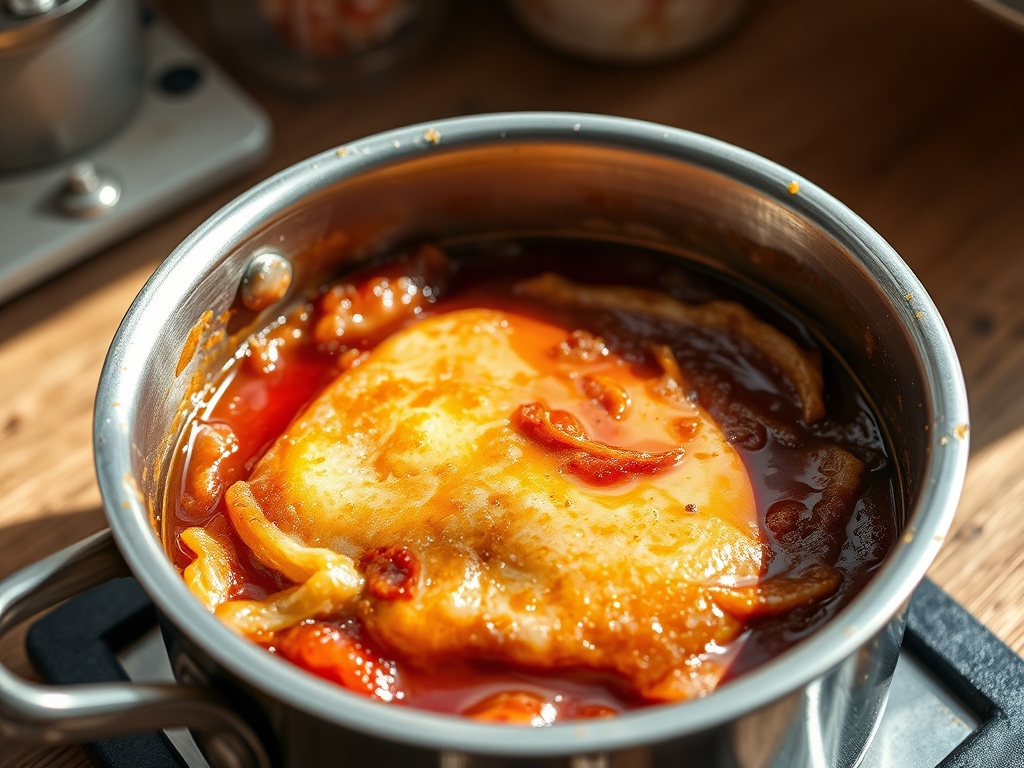
1. The Lipid Integration
Begin by combining your flour, salt, and sugar in a large chilled bowl. Introduce the cubed butter. Use a bench scraper to cut the fat into the dry goods until you have a mixture resembling coarse meal. Do not overwork the dough with your hands; the heat from your palms will melt the butter and ruin the lamination.
Pro Tip: This is a matter of thermal physics. By keeping the butter solid, you create pockets of fat that steam during the bake. This steam forces the flour layers apart, creating a flaky, shattered texture rather than a dense, sandy one.
2. Hydration and Binding
Drizzle the ice water over the mixture one tablespoon at a time. Use a fork to toss the dough until it just begins to hold together when squeezed. Turn the shaggy mass onto a clean surface and use your bench scraper to fold it over itself three times. Wrap in plastic and chill for at least sixty minutes.
Pro Tip: Use a digital scale to measure your water. Even a 5ml variance can turn a perfect dough into a sticky mess. Chilling allows the gluten strands to relax, ensuring the dough does not shrink when it hits the heat.
3. The Cherry Infusion
While the dough rests, pit your cherries. In a saucier or mixing bowl, toss the fruit with sugar, lemon juice, vanilla, and cornstarch. Let this sit for twenty minutes to infuse the flavors and allow the sugar to draw out the excess moisture.
Pro Tip: The cornstarch is your primary thickening agent. It reacts with the cherry juice at boiling temperatures to create a viscous gel. Without it, the juice will run out of the galette and soggy the bottom crust.
4. Architectural Assembly
Roll the chilled dough into a 12 inch circle on parchment paper. Pile the cherry mixture into the center, leaving a two-inch border. Fold the edges of the dough over the fruit, pleating as you go. It should look intentional but unrefined. Brush the crust with a beaten egg wash and sprinkle with coarse sugar.
Pro Tip: This is where the Rustic Cherry Galette earns its name. The pleats act as structural buttresses, holding the fruit in place. The egg wash facilitates the Maillard reaction, ensuring a deep, golden-brown finish.
5. The Thermal Strike
Slide the galette (still on the parchment) onto a preheated baking stone or heavy baking sheet. Bake at 200 degrees Celsius (400 degrees Fahrenheit) for 40 to 45 minutes. The crust should be hard to the touch and the fruit filling should be bubbling aggressively.
Pro Tip: High initial heat is vital. It shocks the dough, causing the water in the butter to evaporate instantly. This creates the "lift" seen in the Masterclass photo, where the edges appear light and airy.
Section B: Prep & Timing Fault-Lines:
The most common failure in galette infrastructure is "soggy bottom syndrome." This occurs when the oven temperature is too low or the fruit is too watery. If your oven has poor heat retention, preheat a heavy cast-iron skillet and bake the galette inside it. Another timing error is pulling the bake too early. If the juices are not bubbling in the center, the cornstarch has not reached its thickening threshold. You will end up with a soup rather than a sliceable dessert.
THE VISUAL SPECTRUM
Section C: Thermal & Visual Troubleshooting:
Referencing our Masterclass photo, note the specific charred edges on the fruit. This indicates that the sugars have begun to render and caramelize. If your galette looks pale, your oven calibration is likely off; use an oven thermometer to verify. If the crust is browning too fast while the center remains cold, tent the edges with foil. Dull color on the crust suggests you skipped the egg wash or used too much flour during the rolling process. Use a pastry brush to remove excess flour before the final fold to ensure a vibrant, glossy finish.
THE DEEP DIVE
Macro Nutrition Profile:
A single serving provides approximately 320 calories, 18g of fat, 38g of carbohydrates, and 4g of protein. The cherries offer a significant dose of anthocyanins and potassium, though the sucrose levels are high.
Dietary Swaps:
For a Vegan iteration, substitute the butter with a high-quality vegan block (ensure it has a high fat-to-water ratio) and use an apricot jam glaze instead of an egg wash. For a Gluten-Free version, use a 1-to-1 flour blend containing xanthan gum to maintain structural integrity. Keto versions require almond flour and erythritol, though the "shatter" of the crust will be significantly diminished.
Meal Prep & Reheating Science:
The molecular structure of the crust degrades when exposed to microwave radiation. To maintain the crispness, reheat slices in a 150 degree Celsius oven for 8 minutes. This removes any absorbed atmospheric moisture and re-crisps the fats.
THE KITCHEN TABLE
Can I use frozen cherries for this bake?
Yes, but you must thaw and drain them first. Frozen fruit releases more water, so increase your cornstarch by 5 grams to maintain the proper viscous consistency. Failure to do so results in a structural breach during the bake.
Why did my crust crumble when rolling?
The dough was likely too cold or too dry. Let it sit at room temperature for five minutes. If it still cracks, your hydration levels were off during the initial mix. Use a digital scale next time for absolute precision.
Is a baking stone necessary?
While not mandatory, a stone provides superior heat transfer to the bottom of the galette. This ensures the base cooks as quickly as the top, preventing the fruit juices from saturating the dough and making it "leathery."
How do I prevent the juice from leaking?
Ensure your pleats are tight and there are no visible cracks in the base of the dough. If a leak occurs, don't panic. The caramelized sugar on the tray adds a delicious, chewy texture to the bottom of the crust.