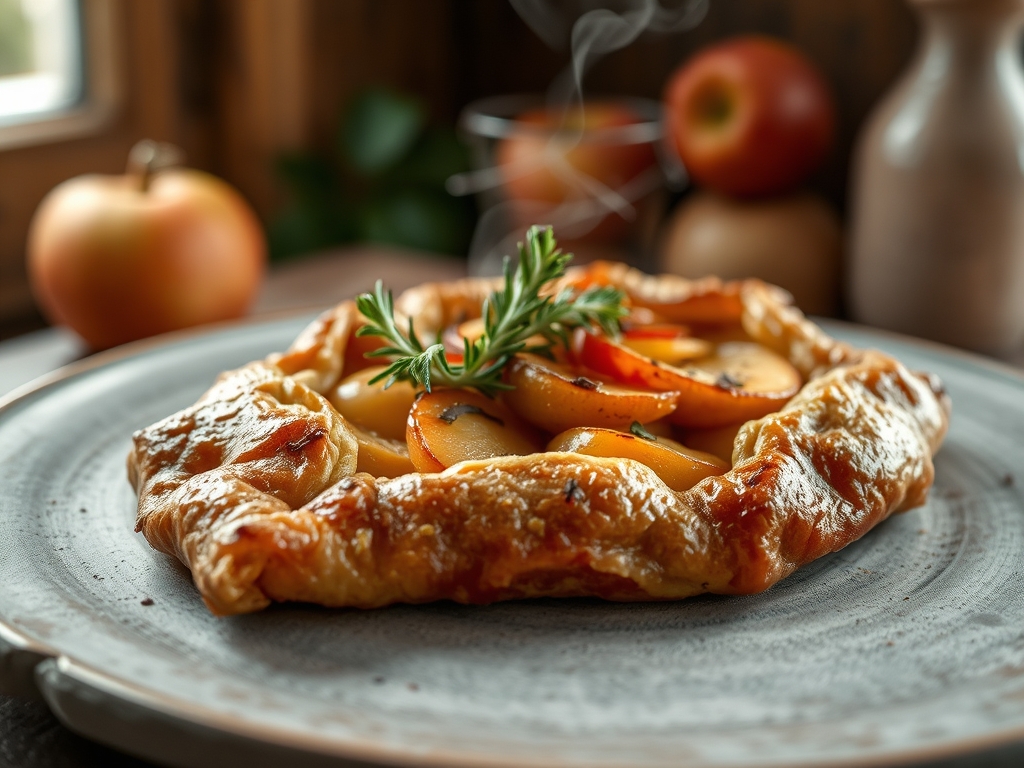
The scent of caramelized fructose and scorched butter is not merely a kitchen aroma; it is a siren song for the structurally obsessed. When you commit to a Rustic Apple Galette, you are abandoning the rigid, claustrophobic confines of a tart tin for the architectural freedom of the fold. This is high-stakes baking where the infrastructure is visible to the naked eye. We are looking for a crust that shatters like glass upon impact, protecting a center of softened, spiced fruit that has been allowed to render its natural sugars into a thick, viscous syrup. The aesthetic is intentionally unrefined, yet the physics behind it must be precise. If your pastry lacks the structural integrity to hold back the tide of bubbling juice, you do not have a galette; you have a fruit-flavored puddle. We are here to audit your technique, optimize your thermal output, and ensure that every pleat in that dough serves a tactical purpose in the pursuit of the ultimate autumnal masterpiece.
THE DATA MATRIX
| Metric | Specification |
|---|---|
| Prep Time | 45 Minutes (Excluding Chilling) |
| Execution Time | 50 Minutes |
| Yield | 8 Servings |
| Complexity (1-10) | 6 (Technical folding required) |
| Estimated Cost per Serving | $1.25 – $1.50 |
THE GATHERS
Ingredient Protocol:
For the Infrastructure (Crust):
- 315g / 2.5 cups All-Purpose Flour (High protein preferred)
- 225g / 1 cup Unsalted Butter (Frozen and cubed)
- 5g / 1 tsp Fine Sea Salt
- 15g / 1 tbsp Granulated Sugar
- 120ml / 0.5 cup Ice Water (Plus more as needed)
For the Core (Filling):
- 900g / 2 lbs Tart Apples (Granny Smith or Honeycrisp)
- 100g / 0.5 cup Light Brown Sugar
- 5ml / 1 tsp Pure Vanilla Extract
- 2g / 0.5 tsp Ground Cinnamon
- 30g / 2 tbsp Unsalted Butter (Chilled bits for dotting)
- 15ml / 1 tbsp Lemon Juice
Section A: Ingredient Quality Audit:
The primary failure point in a Rustic Apple Galette is often the moisture content of the fruit. If your apples are overripe, they will collapse into a grainy mush rather than maintaining their structural integrity. To fix this, macerate the slices in sugar and lemon juice for fifteen minutes, then discard the excess liquid before piling them onto the dough. Furthermore, if your butter has a high water-to-fat ratio (common in budget brands), your crust will steam rather than fry. Always opt for European-style butter with at least 82 percent butterfat to ensure a crisp, laminated result. If the dough feels "short" or crumbly, you likely over-processed the flour; next time, ensure you see visible "peas" of butter to guarantee steam pockets.
THE MASTERCLASS
Step-by-Step Execution:
1. The Molecular Integration
Combine your dry ingredients in a chilled stainless steel bowl. Using a bench scraper, cut the frozen butter into the flour until the mixture resembles coarse meal with some larger, almond-sized chunks. Slowly infuse the ice water into the mix, tossing with a fork until a shaggy mass forms.
Pro Tip: Use a digital scale for your water. Volumetric measurements are notoriously inaccurate; too much hydration activates gluten prematurely, leading to a tough, rubbery crust rather than a flaky one.
2. The Lamination Phase
Turn the dough onto a floured surface. Perform three "letter folds" to create internal layers. Wrap the disc tightly in plastic and refrigerate for at least sixty minutes. This allows the starch granules to fully hydrate and the fats to re-solidify.
Pro Tip: Cold fat is the engine of flake. When the cold butter hits the high heat of the oven, it evaporates, creating steam pockets that aerate the dough from within.
3. The Fruit Configuration
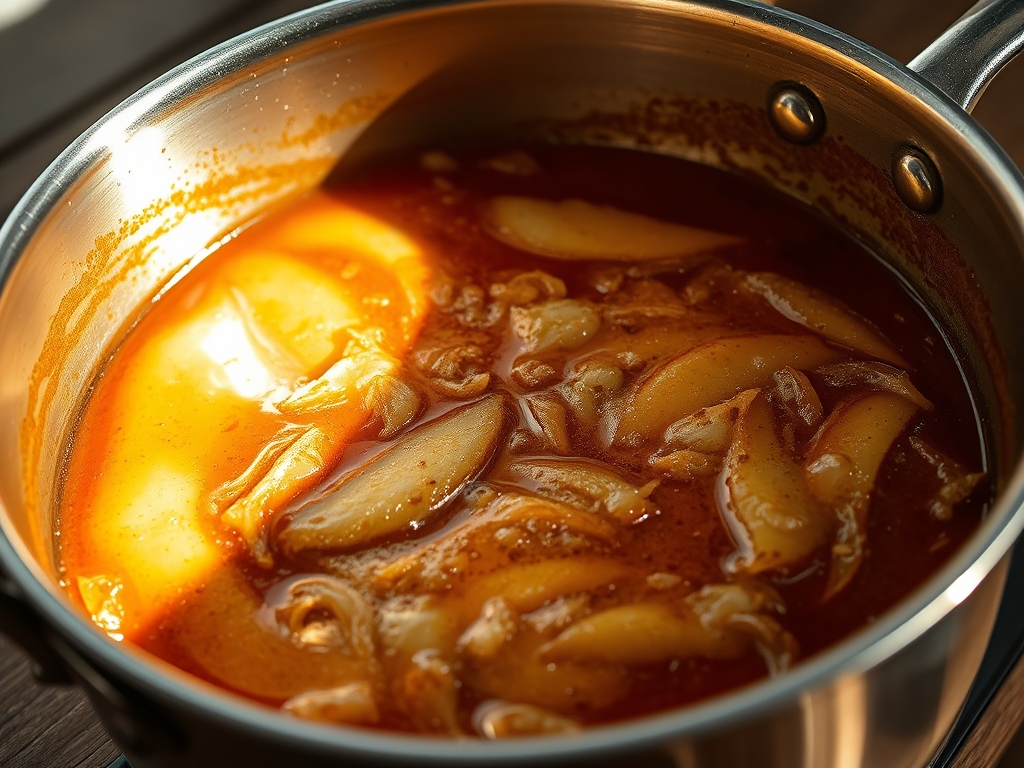
Peel, core, and slice your apples to a uniform thickness of 3mm. In a large saucier or mixing bowl, toss them with sugar, cinnamon, and lemon juice. Ensure every slice is coated to prevent oxidation and to start the osmotic process of drawing out excess moisture.
Pro Tip: A mandoline is the professional tool of choice here. Uniformity in slice thickness ensures that every piece of fruit reaches the same stage of caramelization at the exact same moment.
4. The Structural Fold
Roll the chilled dough into a 12-inch circle on parchment paper. Arrange the apples in the center, leaving a 2-inch border. Fold the edges of the dough over the apples, pleating as you go to create a circular "wall" that traps the juices.
Pro Tip: Use your bench scraper to lift the dough if it sticks. This tool provides the leverage needed to create sharp, clean pleats that won't slump during the initial thermal shock of baking.
5. The Thermal Execution
Brush the crust with an egg wash and sprinkle with coarse sugar. Bake at 200C / 400F for 45 to 50 minutes. The crust should be deeply golden, and the fruit juices should be bubbling and thick.
Pro Tip: Rotate the baking sheet halfway through. Most home ovens have "cold spots" that can lead to uneven browning; a 180-degree turn ensures a consistent Maillard reaction across the entire surface.
Section B: Prep & Timing Fault-Lines:
Temperature control is the most frequent human error. If the dough reaches room temperature during the rolling process, the butter will melt into the flour, destroying the lamination. If this happens, stop immediately and return the dough to the freezer for ten minutes. Timing the oven preheat is also critical. Placing a galette into a lukewarm oven results in "butter bleed," where the fat leaks out of the crust before the structure sets, leaving you with a greasy, flat pastry. Always use an oven thermometer to verify you have reached the 200C threshold.
THE VISUAL SPECTRUM
Section C: Thermal & Visual Troubleshooting:
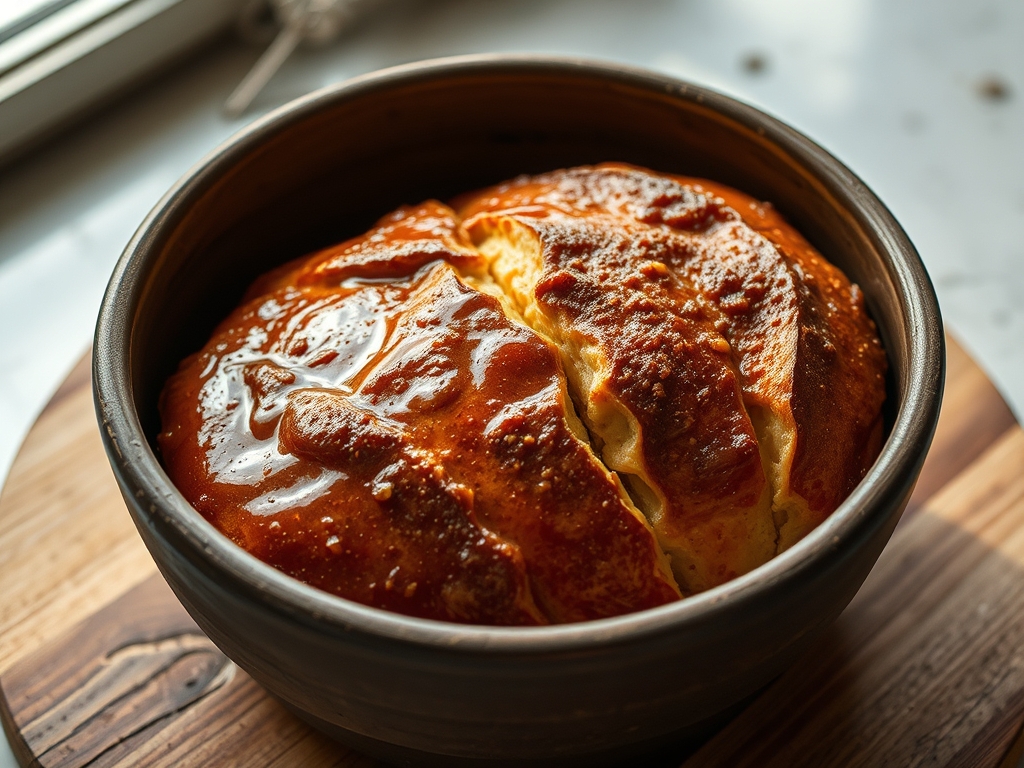
Referencing the Masterclass photo, observe the deep mahogany edges of the crust. This is not "burnt"; it is the result of proper sugar caramelization. If your crust looks pale and "blonde," you likely pulled it too early or failed to use an egg wash. If the center looks watery, your apples were likely too low in pectin; next time, toss them with a teaspoon of cornstarch to help the juices set. A dull, matte finish on the fruit can be corrected by brushing the warm apples with a bit of apricot jam or a simple syrup once the galette exits the oven. This adds a professional sheen and a piquant sweetness.
THE DEEP DIVE
Macro Nutrition Profile:
A standard slice contains approximately 320 calories, 18g of fat, 38g of carbohydrates, and 3g of protein. The high fat content is essential for the textural experience, providing the necessary satiety and "mouthfeel" associated with premium pastry.
Dietary Swaps:
- Vegan: Substitute the butter with a high-quality plant-based butter stick (ensure it has a high melting point) and use a maple syrup wash instead of egg.
- Gluten-Free: Utilize a 1-to-1 GF flour blend containing xanthan gum. Increase the chilling time by thirty minutes to allow the alternative starches to stabilize.
- Keto: This is difficult given the apple content, but a crust made of almond flour and cold cream cheese can mimic the texture, while berries can replace the high-carb apples.
Meal Prep & Reheating Science:
To maintain the molecular structure, never reheat a galette in the microwave. The waves agitate water molecules, turning the crust into a soggy mess. Instead, use a toaster oven at 150C / 300F for ten minutes. This re-crisps the fat layers without further cooking the fruit.
THE KITCHEN TABLE
Why is my crust so tough?
You likely over-worked the dough. Excessive kneading develops gluten. To keep it tender, handle the dough as little as possible and ensure your water is truly ice-cold to inhibit protein bonding.
Can I use different fruits?
Absolutely. Pears, stone fruits, or berries work beautifully. However, high-moisture fruits like berries require a thickening agent like cornstarch or tapioca pearl powder to prevent the dreaded "soggy bottom" syndrome.
My galette leaked everywhere! What happened?
The pleats were likely too shallow or there was a tear in the bottom of the dough. Ensure your folds are tight and overlapping. Use parchment paper to contain any rogue juices for easy cleanup.
Do I really need to chill the dough?
Yes. Chilling relaxes the gluten and solidifies the fat. Skipping this step results in a dough that shrinks in the oven and loses its shape, compromising the entire infrastructure of the tart.