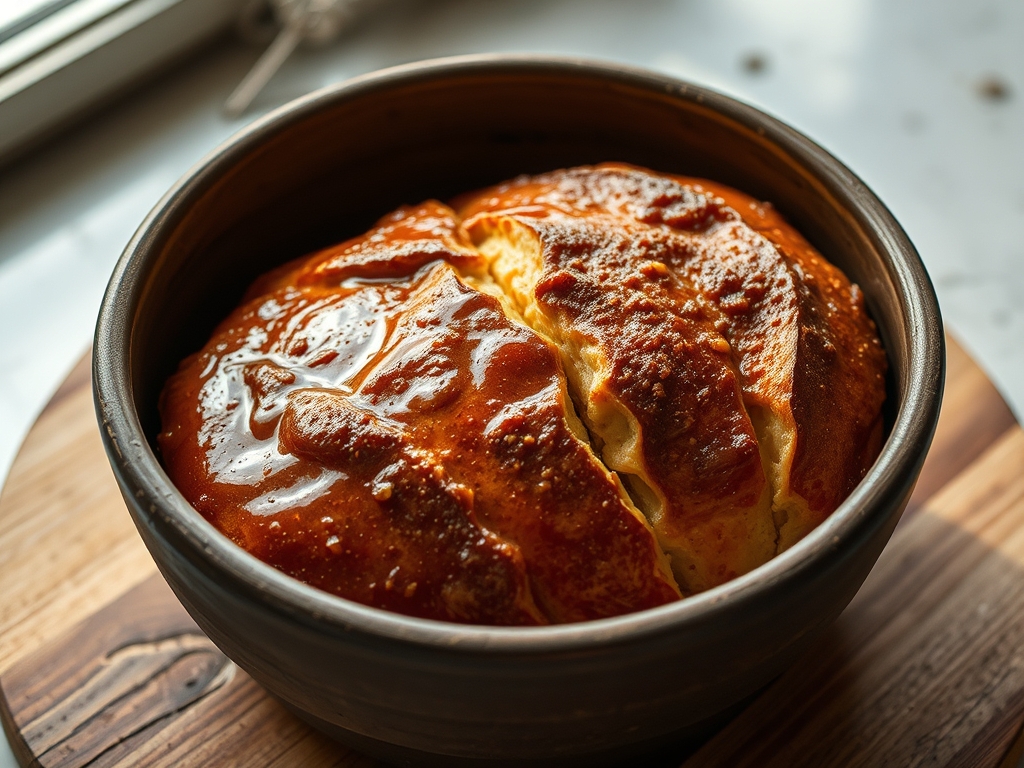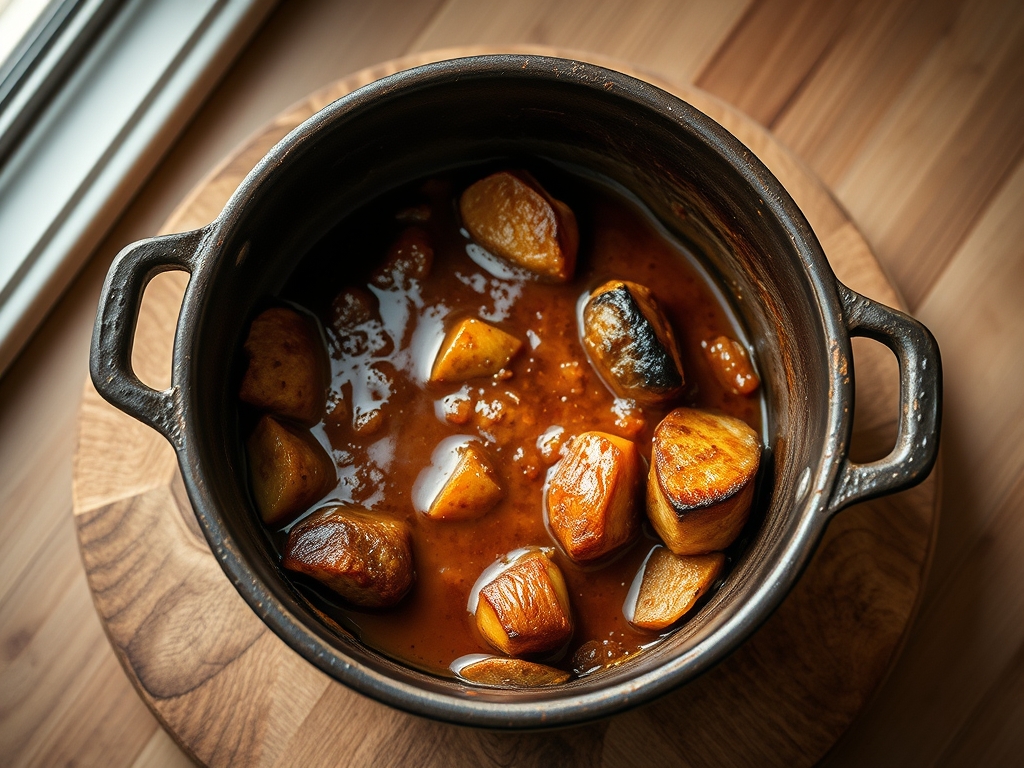
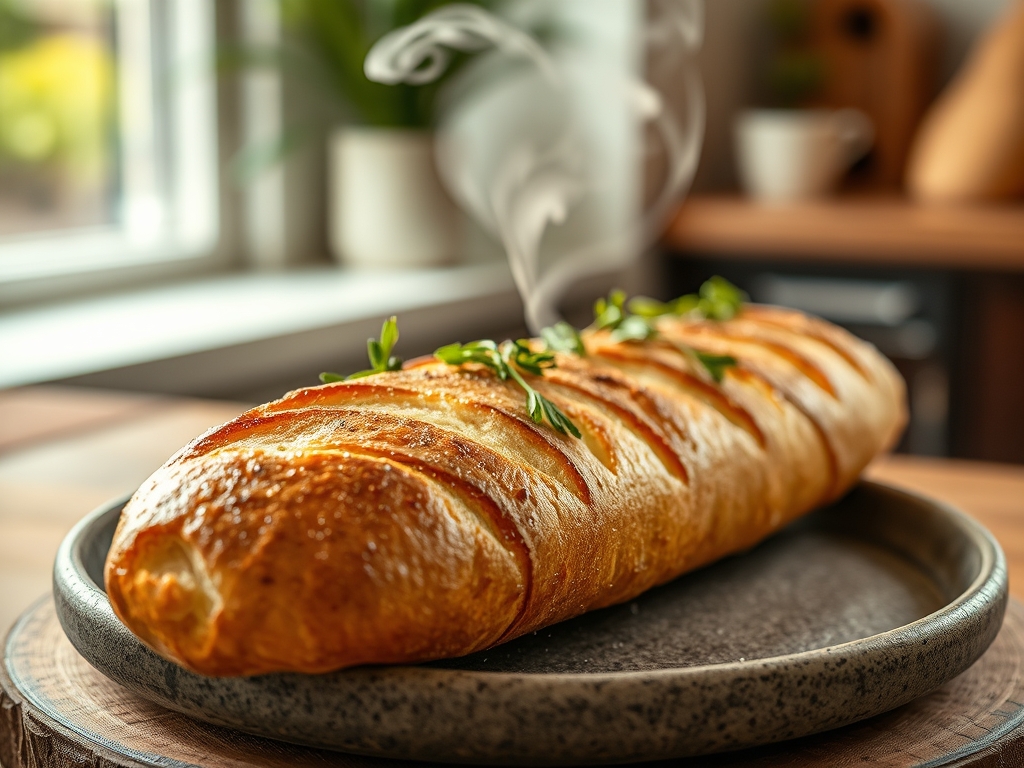
Listen to that sound. It is not just a crackle; it is the percussion of a thousand microscopic structural failures occurring simultaneously as the bread cools. This is the hallmark of the Stone Baked Baguette. If your crust does not sound like a forest fire in a dollhouse, your steam control protocol has failed. We are not here to make soft, pillowy rolls for the faint of heart. We are here to engineer a glass-like exterior that yields to a crumb so aerated it looks like a geological cave system. To achieve this, we must manipulate the thermodynamics of the domestic oven. We are looking for the Maillard reaction on steroids. We want deep mahoganies, golden ambers, and a shattering crunch that requires a tactical permit. This audit will strip away the mystery of artisan baking and replace it with raw, technical precision. We are moving beyond recipes into the realm of atmospheric management. Prepare your bench scrapers; the audit begins now.
THE DATA MATRIX
| Metric | Specification |
|---|---|
| Prep Time | 24 Hours (Cold Fermentation) |
| Execution Time | 45 Minutes |
| Yield | 3 Standard Baguettes |
| Complexity (1-10) | 8 |
| Estimated Cost per Serving | $0.45 |
THE GATHERS
Ingredient Protocol:
- 500g / 3.75 cups Bread Flour (Minimum 12.5% Protein)
- 350ml / 1.5 cups Filtered Water (65 degrees F)
- 10g / 2 tsp Fine Sea Salt
- 3g / 1 tsp Instant Yeast
- 50ml / 0.2 cup Ice Cubes (For steam generation)
Section A: Ingredient Quality Audit:
Problem: Low Protein Flour. If your flour lacks the structural integrity of high-protein wheat, your baguette will collapse into a sad, flat pancake. The Fix: Audit your label. If it is under 12%, supplement with 10g of Vital Wheat Gluten to ensure the dough can aerate properly under high heat.
Problem: Chlorinated Tap Water. Chlorine inhibits yeast activity and can lead to a chemical aftertaste. The Fix: Use filtered water or let tap water sit uncovered for 24 hours to allow the chlorine to dissipate. This ensures a clean, piquant fermentation profile.
Problem: Dead Yeast. If your yeast does not bloom, your crumb will be viscous and dense. The Fix: Always perform a viability test in lukewarm water before mixing. If it does not foam within five minutes, discard and replace.
THE MASTERCLASS
Step-by-Step Execution:
1. The Autolyse Phase
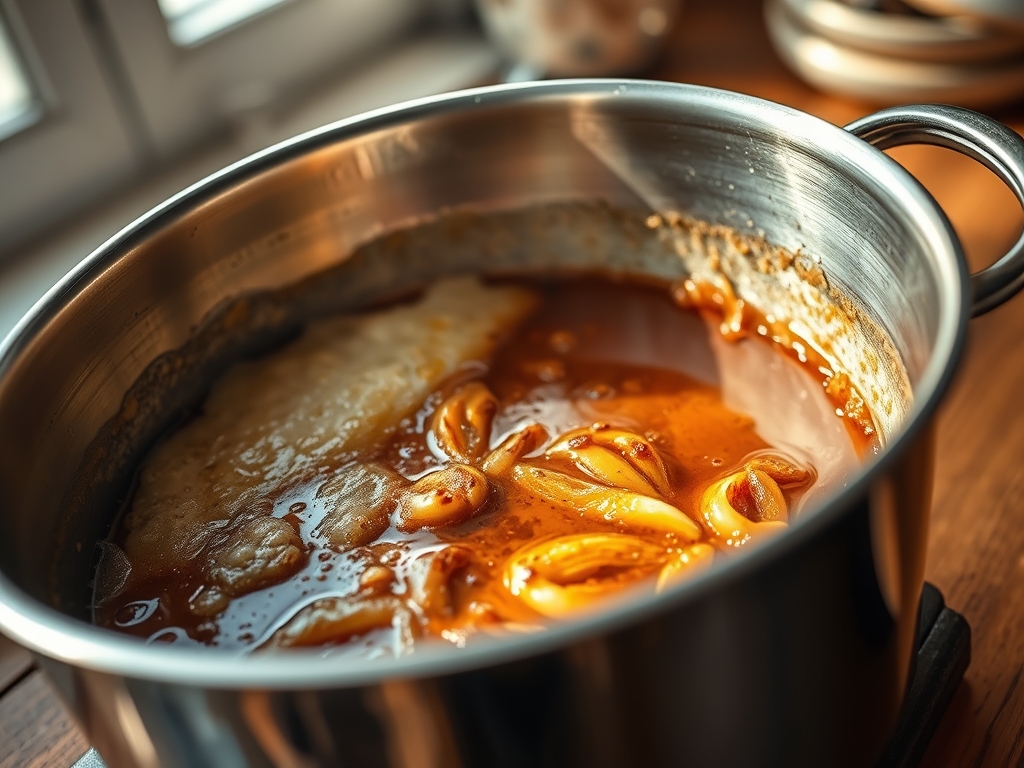
Combine your flour and water in a stainless steel bowl until no dry spots remain. Let this sit for 45 minutes. This allows the flour to fully hydrate and begins the enzymatic breakdown of starches.
Pro Tip: Use a digital scale for this. Volumetric measurements are for amateurs. The science of hydration requires 0.1g precision to ensure the gluten network is perfectly primed.
2. Incorporation and Bulk Fermentation
Add your salt and yeast. Use a bench scraper to perform a series of "stretch and folds" every 30 minutes for two hours. This builds tension without degassing the delicate bubbles.
Pro Tip: Wet your hands before touching the dough. This prevents sticking without adding excess flour, which would throw off your hydration ratio and dull the final crust.
3. The Cold Retardation
Place the dough in a sealed container and refrigerate for 18 to 24 hours. This is where the flavor molecules develop. The yeast works slowly to produce organic acids that result in a complex, nutty aroma.
Pro Tip: Cold dough is easier to shape. The viscous nature of the sugars becomes more manageable, allowing for tighter surface tension during the final build.
4. Shaping the Batons
Divide the dough into three equal portions. Gently fold the top third down and the bottom third up; then roll into a tight cylinder. Use the friction of the counter to create a taut skin.
Pro Tip: Do not overwork the dough. You want to preserve the internal gas pockets. Professional bakers use a couche (linen cloth) to support the baguettes during the final proof.
5. Atmospheric Steam Loading
Preheat your baking stone for at least one hour at 500 degrees F. Place a heavy cast iron skillet on the bottom rack. Score the baguettes with a sharp lame at a 30-degree angle. Load the bread and drop the ice cubes into the skillet.
Pro Tip: The steam delays the setting of the crust. This allows for maximum "oven spring" and creates the thin, crackly texture seen in the reference photo.
Section B: Prep & Timing Fault-Lines:
The Temperature Trap: If your kitchen is too cold, fermentation stalls. Use a thermal probe to ensure your dough stays between 70 and 75 degrees F during bulk fermentation.
The Scoring Hesitation: If you score too shallow or too slowly, the dough will tear rather than expand. Use a swift, decisive motion. A dull blade is your enemy; use a fresh razor for every session.
THE VISUAL SPECTRUM
Section C: Thermal & Visual Troubleshooting:
Observation: Dull, Matte Crust. If your Stone Baked Baguette looks like cardboard rather than the glossy masterpiece in our photo, your steam escaped too early. Ensure your oven door seal is tight and do not peek for the first 10 minutes.
Observation: Pale "Ears". The "ear" is the raised edge of the score. If it is pale, your oven temperature was too low. The stone must be saturated with heat to render the sugars into that deep mahogany color.
Observation: Dense Bottom. This indicates the stone was not preheated long enough. The base of the bread needs an immediate thermal shock to lift the crumb.
THE DEEP DIVE
Macro Nutrition Profile:
A single serving (approx. 100g) contains 250 calories, 50g carbohydrates, 9g protein, and 1g fat. It is a high-glycemic fuel source designed for immediate energy.
Dietary Swaps:
- Vegan: Naturally vegan. Ensure your salt is sea-derived for purity.
- Gluten-Free: Use a high-quality 1-to-1 GF blend with added xanthan gum; however, the "shattering" crust is difficult to replicate without wheat protein.
- Keto: Replace flour with almond flour and vital wheat gluten; though the molecular structure will shift from "crusty" to "chewy."
Meal Prep & Reheating Science:
To maintain the molecular structure, never refrigerate finished bread. Freeze it in airtight bags. To reheat, spray the crust with a fine mist of water and bake at 350 degrees F for 8 minutes. This re-hydrates the starch molecules and restores the "crunch" factor.
THE KITCHEN TABLE
Why is my crust chewy instead of crunchy?
Lack of steam or insufficient baking time. The moisture must be driven out of the crust completely during the final stages of baking to ensure a lasting crunch.
Can I bake this on a cookie sheet?
You can, but you will lose the thermal mass. A baking stone or heavy steel plate is essential for that professional, stone-baked bottom heat.
Why did my baguettes spread sideways?
Over-proofing or under-shaping. If the dough loses its structural integrity, it will flow outward rather than upward. Ensure your final shape has high surface tension.
How do I get those large holes in the crumb?
High hydration and minimal handling. Every time you press the dough, you collapse the "alveoli" or air pockets. Handle the dough like it is a cloud.