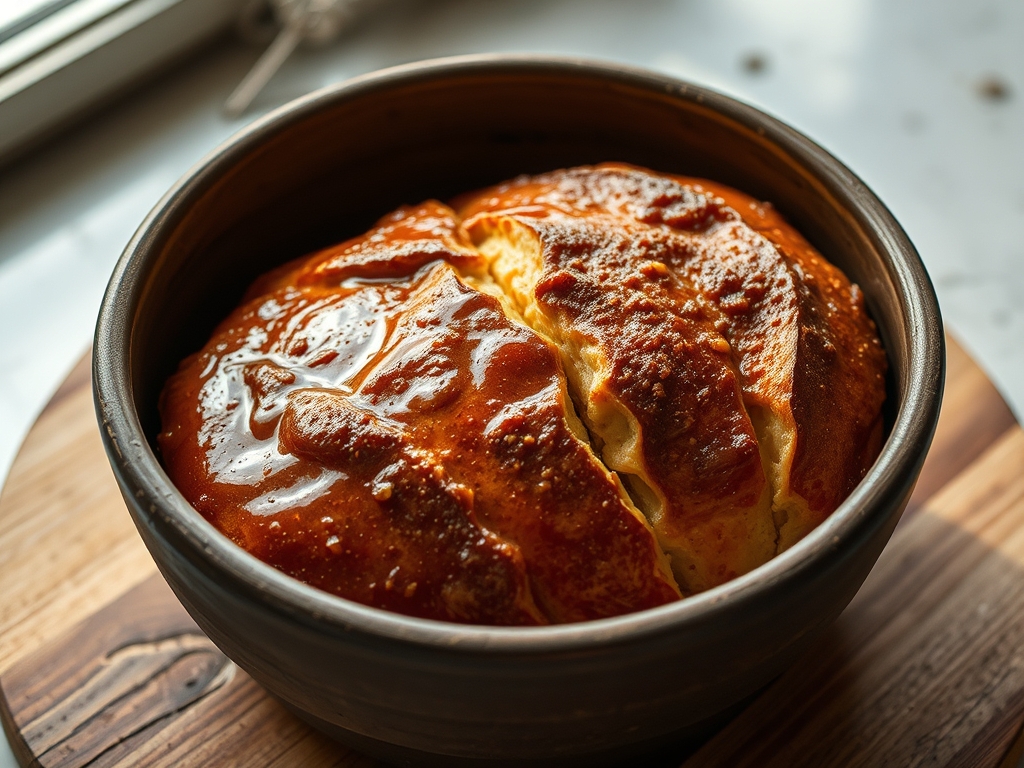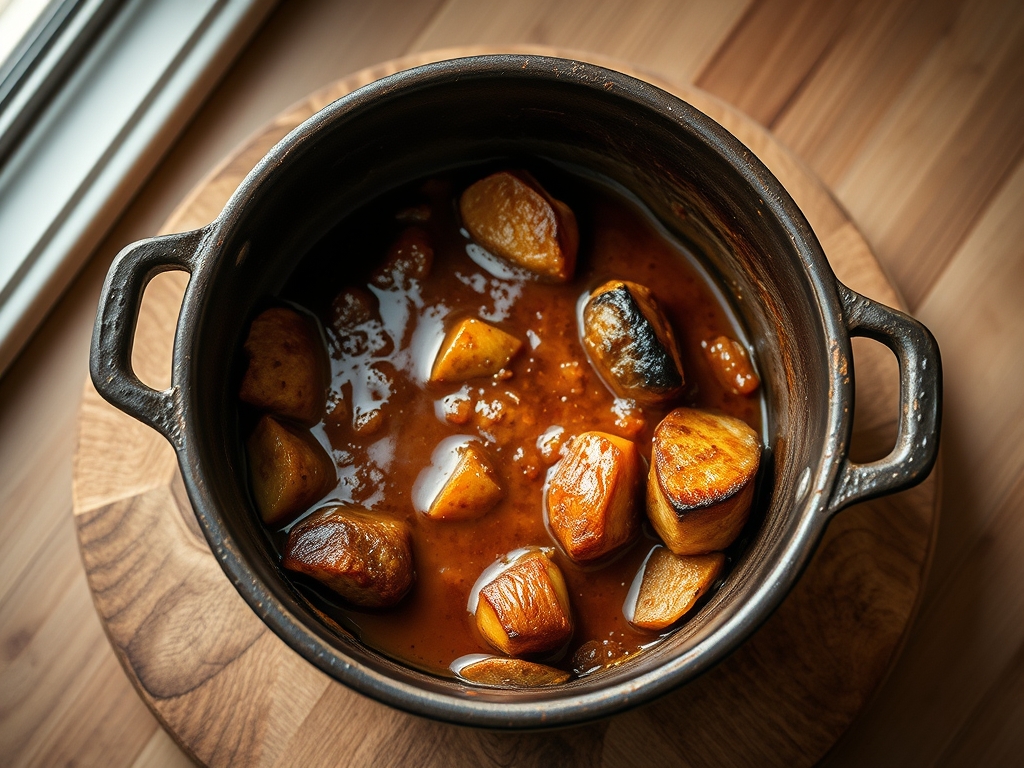
Listen to the sound of a kitchen under pressure. It is the rhythmic clacking of a metal spatula against seasoned metal; it is the aggressive hiss of moisture meeting a shimmering oil bath. We are not merely cooking. We are conducting a high-stakes structural engineering project where the primary material is a golden, viscous batter. The objective is the perfect Cast Iron Corn Fritters. When executed with precision, these pucks offer a violent crunch that gives way to a cloud-like interior, punctuated by the snap of fresh kernels. The cast iron skillet is your primary reactor. It provides the thermal mass necessary to induce a deep, mahogany Maillard reaction without dropping temperature when the cold batter hits the surface. Forget soggy, limp pancakes of the past. We are building a crust so rigid it could hold up a bridge, yet so light it practically floats off the plate. This is the intersection of rustic soul and professional-grade physics. Prepare your station; the audit of your culinary infrastructure begins now.
THE DATA MATRIX
| Metric | Specification |
|---|---|
| Prep Time | 15 Minutes |
| Execution Time | 20 Minutes |
| Yield | 12 Fritters |
| Complexity | 4 / 10 |
| Estimated Cost per Serving | $0.85 USD |
THE GATHERS
Ingredient Protocol:
- 500g / 3 cups Fresh Corn Kernels (approximately 4 ears)
- 125g / 1 cup All-Purpose Flour
- 50g / 0.5 cup Yellow Cornmeal (fine grind)
- 5g / 1 tsp Baking Powder
- 2 Large Eggs (room temperature)
- 60ml / 0.25 cup Whole Milk or Heavy Cream
- 30g / 2 tbsp Scallions (finely minced)
- 5g / 1 tsp Smoked Paprika
- 3g / 0.5 tsp Cayenne Pepper
- 10g / 2 tsp Kosher Salt
- 60ml / 4 tbsp Neutral Oil (Grapeseed or Avocado) for searing
Section A: Ingredient Quality Audit:
The most common failure point in Cast Iron Corn Fritters is the moisture content of the corn. If using frozen kernels, they often harbor excess ice crystals that will deglaze your pan prematurely and turn your fritter into a soggy mess. The fix: Thaw completely and pat dry with lint-free towels until the surface tension is broken. If your batter feels too viscous and refuses to drop from the spoon, do not simply add water. This dilutes the flavor profile. Instead, whisk in an extra egg yolk to increase the fat content and improve the emulsification of the starches. Finally, ensure your cornmeal is not stale. Old cornmeal loses its aromatic oils, resulting in a flat, dusty aftertaste that even the best smoked paprika cannot mask.
THE MASTERCLASS
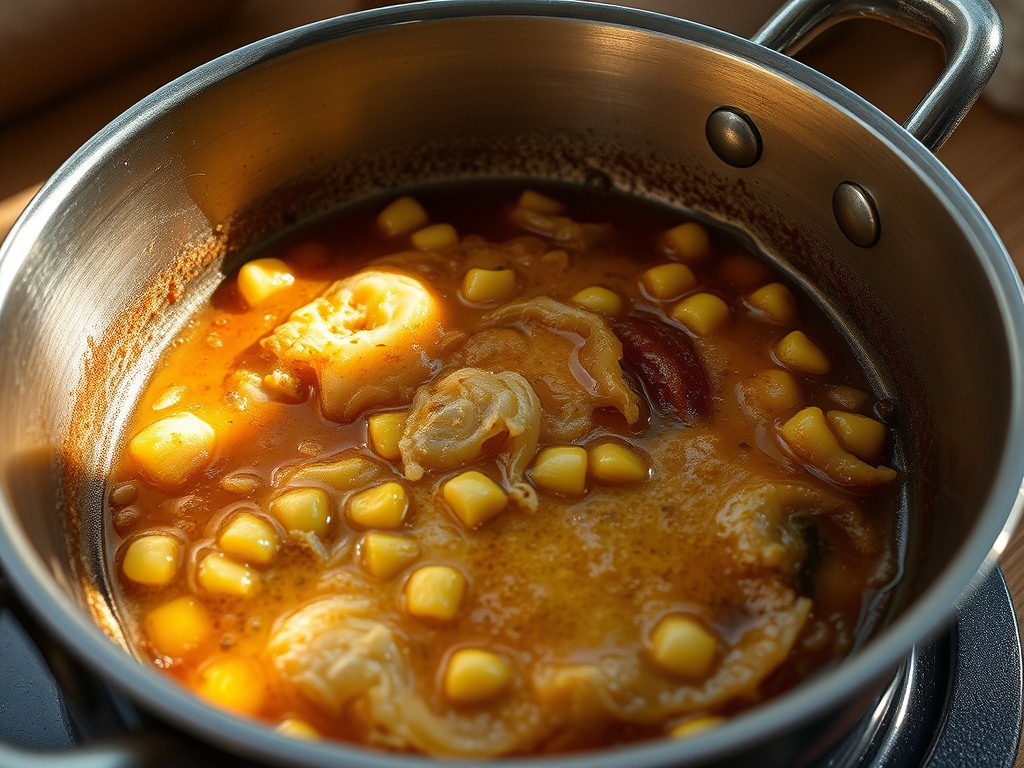
Step 1: The Dry Phase Integration
In a large stainless steel mixing bowl, combine your flour, cornmeal, baking powder, and spices. Use a balloon whisk to aerate the mixture, ensuring there are no clumps of leavening agent. A digital scale is non-negotiable here; volumetric measurements are for amateurs who enjoy inconsistent results.
Pro Tip: Aerating the dry ingredients prevents "tunnels" from forming in the fritter. This ensures the carbon dioxide released by the baking powder distributes evenly, creating a uniform crumb structure.
Step 2: The Liquid Emulsion
In a separate saucier or small bowl, whisk the eggs and milk until fully homogenous. Create a well in the center of your dry ingredients and pour the liquid in. Fold gently with a silicone spatula. Stop the moment the flour streaks disappear. Over-mixing develops gluten, which turns your fritter from a delicate puck into a rubbery disc.
Pro Tip: Use room temperature eggs. Cold eggs can cause the fats in the batter to seize, which prevents a smooth infuse of the aromatics into the starch matrix.
Step 3: Folding the Structural Elements
Gently fold in the corn kernels and scallions. The batter should be thick enough to hold its shape on a bench scraper. If it runs, add a tablespoon of cornmeal to tighten the structure. Let the batter rest for ten minutes. This allows the starches to hydrate fully, which is the secret to a crisp exterior.
Pro Tip: Resting the batter allows the leavening agents to begin their initial chemical reaction, leading to a lighter, more "puffed" final product when it hits the heat.
Step 4: The Thermal Launch
Place your cast iron skillet over medium-high heat. Add the oil and wait until it reaches the shimmering point (approximately 375 degrees Fahrenheit). Use a mechanical cookie scoop to drop uniform mounds of batter into the oil. Do not crowd the pan. Crowding drops the surface temperature and leads to oil absorption rather than searing.
Pro Tip: A heavy cast iron pan acts as a heat sink. It stores thermal energy, ensuring that even when cold batter is introduced, the oil temperature remains high enough to render a perfect crust immediately.
Step 5: The Flip and Finish
Sear for 3 minutes per side. Use a thin metal fish spatula to check the underside; it should be a deep, variegated gold. Flip once. Pressing down on the fritter is a culinary crime; it forces out the air you worked so hard to incorporate. Transfer the finished pucks to a wire cooling rack to prevent steam from softening the bottom.
Pro Tip: Using a wire rack instead of a paper towel allows air to circulate around the entire fritter, maintaining the structural integrity of the crust through evaporative cooling.
Section B: Prep & Timing Fault-Lines:
The primary human error in this protocol is impatience. If you drop the batter before the oil is shimmering, the fritter will act as a sponge, soaking up grease until it becomes heavy and unpalatable. Conversely, if the heat is too high, the exterior will char before the interior starch has a chance to gelatinize. Use an infrared thermometer to verify your pan is between 365 and 380 degrees Fahrenheit. If the first fritter browns in under 90 seconds, pull the pan off the heat immediately to recalibrate your thermal baseline.
THE VISUAL SPECTRUM
Section C: Thermal & Visual Troubleshooting:
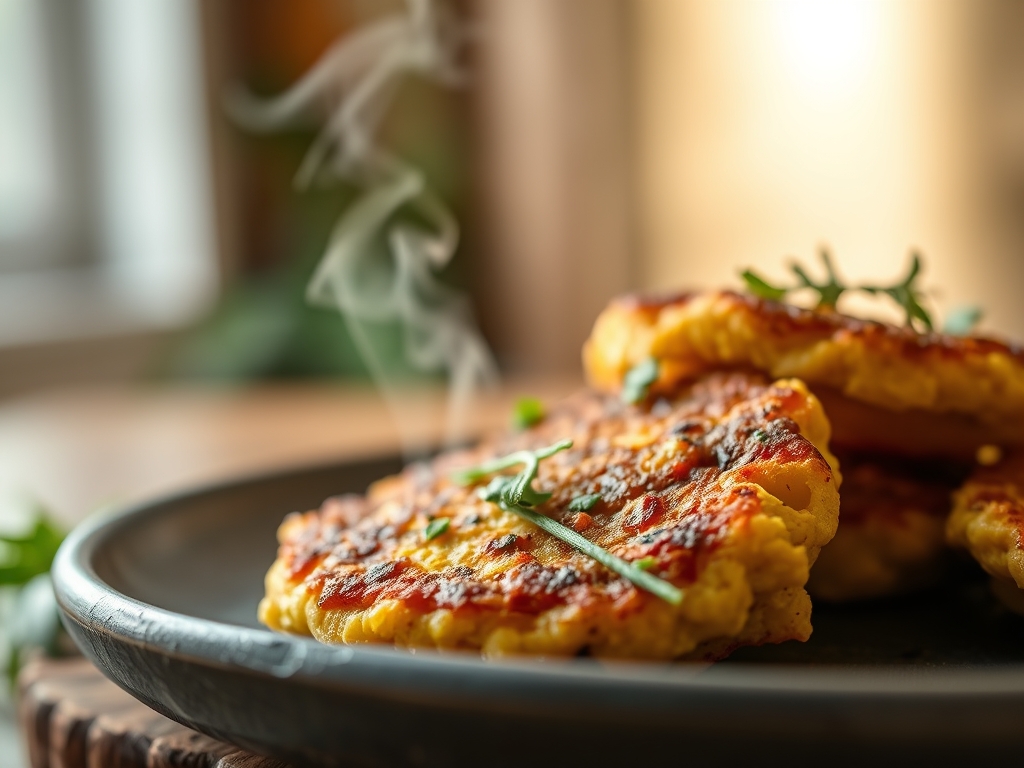
Referencing the Masterclass photo, your fritters should exhibit a "cratered" surface where the corn kernels are partially exposed and caramelized. If your fritters look smooth and pale, you likely over-mixed the batter or failed to reach the proper searing temperature. If the edges are dark brown but the center is yellow, your pan is "hot-spotting." Move the skillet around the burner to distribute the flame. A perfect fritter should have a piquant aroma and a visible shimmer of oil that does not feel greasy to the touch. If the scallions look burnt, you are cooking too hot; they should remain vibrant green against the golden backdrop of the fried maize.
THE DEEP DIVE
Macro Nutrition Profile:
Each fritter provides approximately 140 calories, 18g of carbohydrates, 5g of protein, and 6g of fat. They are high in fiber thanks to the whole corn kernels, making them a more substantial side than standard bread options.
Dietary Swaps:
- Vegan: Replace eggs with a flax-meal slurry (1 tbsp flax to 3 tbsp water) and use almond milk with a teaspoon of apple cider vinegar.
- Keto: Swap flour and cornmeal for almond flour and crushed pork rinds. Use a minimal amount of corn to keep net carbs low.
- GF: A high-quality 1-to-1 gluten-free flour blend works perfectly here, as the cornmeal provides the primary structural "snap."
Meal Prep & Reheating Science:
To maintain the molecular structure, never microwave a corn fritter. The microwave agitates water molecules, turning the crisp crust into a damp rag. Instead, reheat in a 375-degree oven or an air fryer for 4 minutes. This re-activates the fats in the crust, restoring the original crunch.
THE KITCHEN TABLE
Why are my fritters falling apart in the pan?
This usually indicates a lack of binding agent or excess moisture in the corn. Ensure your eggs are large and your corn is patted dry. If the issue persists, add one tablespoon of flour to the remaining batter.
Can I use canned corn for this recipe?
Yes, but you must drain it aggressively. Rinse the corn to remove the canning liquid, then dry it between paper towels. Canned corn is softer, so expect a slightly less "snappy" texture in the final puck.
What is the best oil for frying in cast iron?
Choose an oil with a high smoke point. Grapeseed, avocado, or refined peanut oil are superior choices. Avoid extra virgin olive oil or butter, as they will burn and become bitter at the required searing temperatures.
How do I get that specific "puffy" texture?
Do not over-work the batter. The lumps are your friend. Also, ensure your baking powder is fresh. Test it by dropping a pinch into hot water; if it does not fizz violently, discard it and buy a new tin.