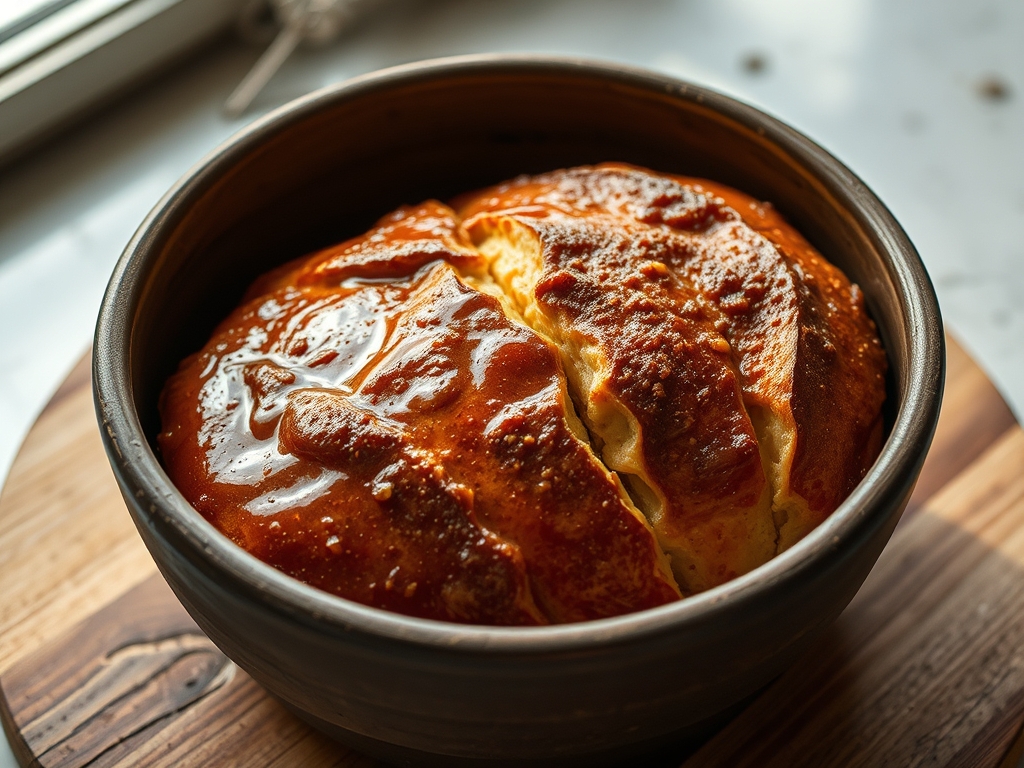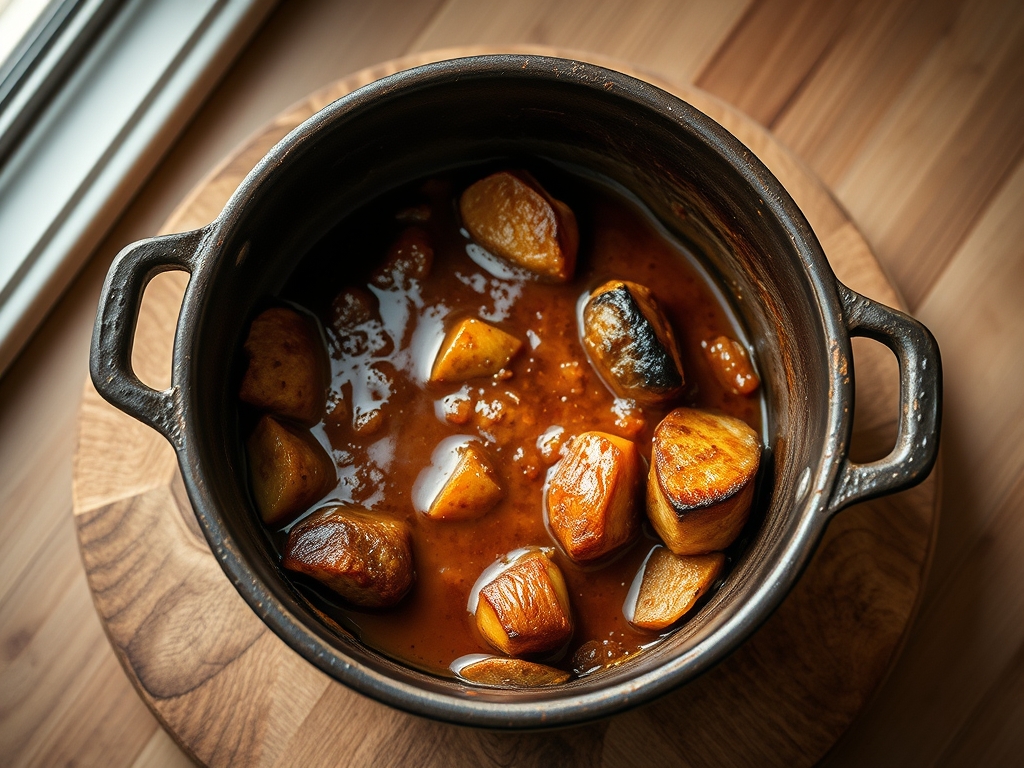
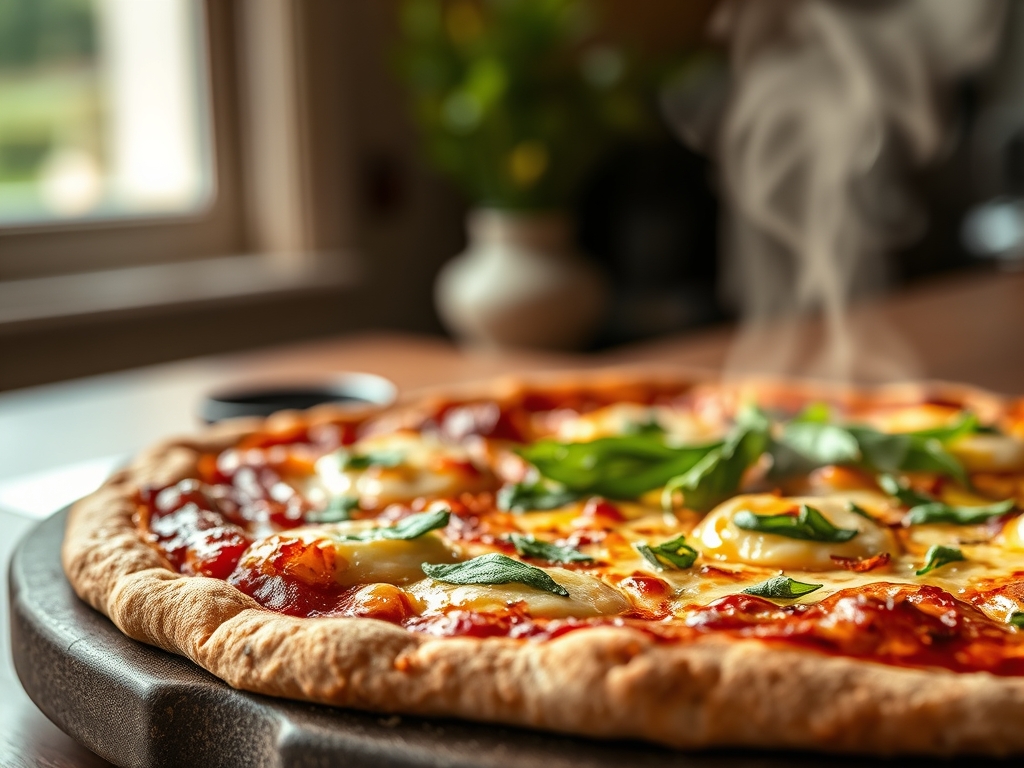
Listen to the sound of a blade slicing through a structural masterpiece. It is the sound of a shatteringly crisp, golden-brown foundation meeting the resistance of a blade. This is not your average delivery box disappointment. This is Cast Iron Pizza. We are talking about a high-density thermal event where a seasoned vessel acts as a heat sink to drive moisture out of dough with violent efficiency. The result is a bottom crust that mimics the floor of a Neapolitan wood-fired oven while maintaining a crumb that is airy, light, and almost cloud-like. When you slide that heavy skillet into a preheated oven, you are not just cooking; you are engaging in a high-stakes thermodynamic exchange. The oil at the base of the pan begins to shimmer and fry the exterior of the dough, creating a micro-layer of crunch that protects the interior hydration. It is piquant, it is structural, and it is the absolute peak of home-based carbohydrate engineering. Prepare to transform your kitchen into a high-output crust laboratory.
THE DATA MATRIX
| Metric | Specification |
|---|---|
| Prep Time | 20 Minutes (Active) / 24 Hours (Fermentation) |
| Execution Time | 15 Minutes |
| Yield | 1 Large 12-inch Pizza |
| Complexity (1-10) | 4 |
| Estimated Cost per Serving | $2.15 |
THE GATHERS
Ingredient Protocol:
- High-Protein Bread Flour: 400g / 3.25 cups
- Filtered Water (95F): 280ml / 1.15 cups
- Fine Sea Salt: 10g / 2 teaspoons
- Instant Yeast: 4g / 1.25 teaspoons
- Extra Virgin Olive Oil: 30ml / 2 tablespoons (plus extra for the pan)
- Whole Milk Mozzarella: 225g / 8 ounces (shredded)
- San Marzano Tomato Puree: 180ml / 0.75 cups
- Fresh Basil Leaves: 5 to 8 leaves
- Pecorino Romano: 15g / 1 tablespoon (finely grated)
Section A: Ingredient Quality Audit:
The primary failure point in a Cast Iron Pizza is the hydration of the dough. If your flour has a low protein content (under 12 percent), the structure will collapse under the weight of the toppings. Always verify the protein count on your flour bag. If you are forced to use All-Purpose flour, reduce the water by 20ml to prevent a viscous mess that refuses to hold its shape. Furthermore, avoid pre-shredded cheese. Those bags are coated in cellulose and potato starch to prevent clumping; this starch inhibits the beautiful, oily melt required for a proper cheese pull. Buy a block of low-moisture mozzarella and use a box grater for a superior melt profile. Finally, if your yeast is older than six months, perform a bloom test in warm water to ensure it can still aerate the dough effectively.
THE MASTERCLASS
1. The Long-Cold Ferment
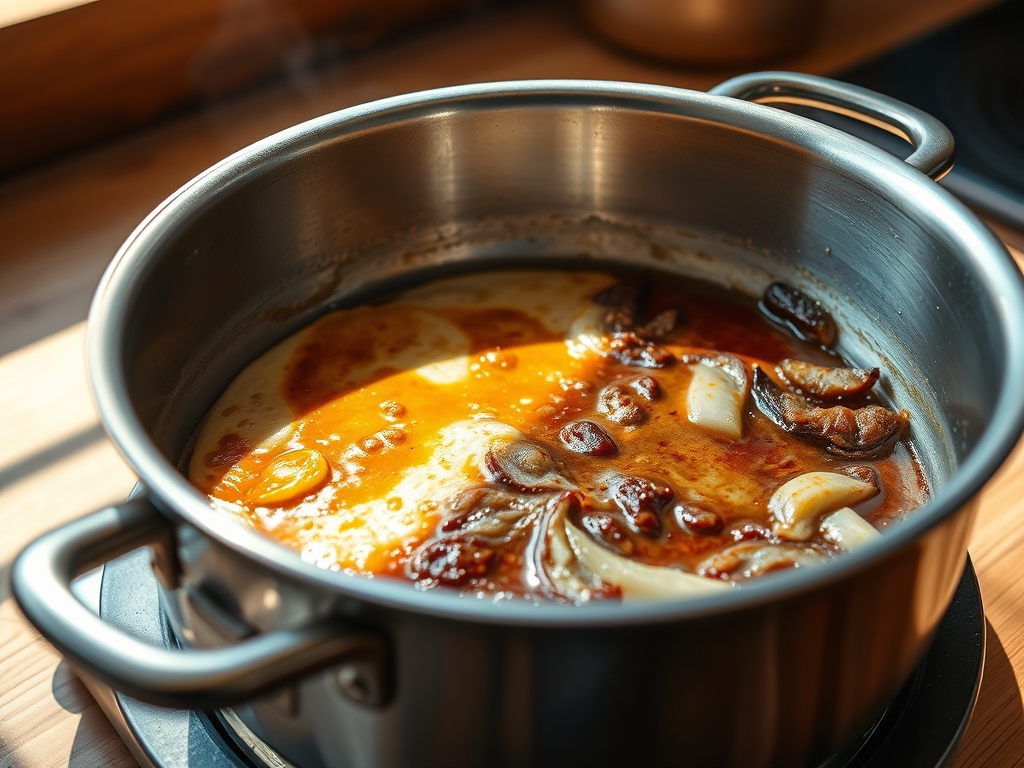
Combine your flour, salt, and yeast in a large bowl. Add the water and oil, then use a bench scraper to fold the mass until no dry pockets remain. Cover this and let it rest for 24 hours in the refrigerator.
Pro Tip: Cold fermentation allows enzymes to break down complex starches into simple sugars. This enhances the Maillard reaction during baking, ensuring a crust that is deep mahogany rather than pale beige.
2. The Pan Integration
Generously coat your 12-inch cast iron skillet with olive oil. Transfer the cold dough to the pan. Do not force it to the edges. Let it sit at room temperature for two hours. During this time, the dough will naturally relax and fill the diameter of the vessel.
Pro Tip: Use a digital scale to ensure your dough ball is exactly 450 to 500 grams. Too much dough results in a dense, bready center that fails to cook through before the bottom burns.
3. The Topographical Layout
Once the dough has filled the pan, use your fingertips to gently dimple the surface. Spread your tomato puree to the very edges. In a Cast Iron Pizza, the cheese should touch the sides of the metal to create a "frico" or caramelized cheese crust.
Pro Tip: Use a small saucier to slightly warm your sauce before application. This prevents the cold sauce from shocking the dough and stalling the oven spring.
4. The Thermal Execution
Place your oven rack in the lowest position and preheat to 500F (260C). Bake for 12 to 15 minutes. If the top is bubbling but the bottom lacks structural integrity, place the skillet on a stove burner over medium-high heat for 2 minutes to finish the fry.
Pro Tip: The cast iron acts as a heat reservoir. By placing it on the lowest rack, you maximize the conductive heat transfer from the oven floor directly into the skillet base.
Section B: Prep & Timing Fault-Lines:
The most common human error is impatience. If you do not let the dough reach room temperature before baking, the internal gases will stay trapped and the center will remain gummy. Another critical fault is over-saucing. High-moisture sauces will infuse into the dough, creating the dreaded "gum line" where the bread meets the toppings. Keep your sauce thick and concentrated. If your oven does not reach 500F, extend the bake time but keep a close eye on the cheese to ensure it does not render into a pool of orange oil.
THE VISUAL SPECTRUM
Section C: Thermal & Visual Troubleshooting:
Referencing the Masterclass photo, look for the "leopard spotting" on the cheese and the darkened, crispy perimeter where the mozzarella has fused with the cast iron. If your pizza looks pale, your oven temperature was likely too low. If the cheese is burnt but the dough is raw, your rack was too high in the oven. A perfect specimen should show a clear distinction between the charred edge and the vibrant red of the San Marzano tomatoes. If the crust looks "dull," it usually indicates a lack of oil in the pan. The oil is the medium that conducts heat; without it, the dough simply dries out instead of frying.
THE DEEP DIVE
Macro Nutrition Profile:
A single serving (one-quarter of a 12-inch pizza) typically contains 380 calories, 14g of protein, 48g of carbohydrates, and 15g of fat. The high fat content is primarily from the olive oil used to fry the crust and the whole milk mozzarella.
Dietary Swaps:
- Vegan: Substitute mozzarella with a cashew-based ferment and ensure your sugar source in the dough (if used) is vegan-certified.
- Keto: This is difficult given the flour base, but a "fathead" dough made of mozzarella and almond flour can be pressed into the skillet.
- Gluten-Free: Use a high-quality GF bread flour blend with xanthan gum. Increase hydration by 10 percent as GF flours are highly absorbent.
Meal Prep & Reheating Science:
To maintain the molecular structure when reheating, avoid the microwave at all costs. The microwave agitates water molecules, making the crust rubbery. Instead, place the slice back into a dry cast iron skillet over medium heat for 3 minutes. This re-crisps the bottom. Cover the pan for the last 60 seconds to melt the cheese using trapped steam.
THE KITCHEN TABLE
Why is my crust soggy in the middle?
This usually results from excess moisture in your toppings or sauce. Ensure your mozzarella is "low-moisture" and your vegetables are sautéed beforehand to render out their water content.
Can I use a stainless steel pan?
Stainless steel lacks the thermal mass of cast iron. While it works, it will not provide the same even heat distribution or the intense bottom-sear that defines this specific style of pizza.
My dough keeps shrinking back. What do I do?
The gluten is too tight. Stop touching it. Cover the dough and let it rest for another 15 minutes. This allows the protein bonds to relax, making the dough much more extensible.
How do I get the pizza out of the pan?
Run a thin offset spatula or a knife around the perimeter immediately after removing it from the oven. This breaks the cheese seal. Then, slide the pizza onto a wire cooling rack to prevent steam from softening the base.