Listen to the sound of a cast iron skillet screaming at four hundred degrees. It is the sound of a molecular transformation. We are not merely cooking; we are conducting a Blackened Salmon Audit to ensure your kitchen is operating at peak thermal efficiency. The goal is a crust so dark it mimics obsidian, yet underneath lies a translucent, buttery interior that flakes at the mere suggestion of a fork. Most home cooks fail because they fear the smoke. They retreat when the spices begin to carbonize, resulting in a soggy, gray piece of protein that lacks the piquant punch of true Acadian soul. We are here to fix the infrastructure of your searing technique. This is about the intersection of high-heat physics and spice-blend chemistry. If your smoke alarm isn't nervous, you aren't doing it right. We are auditing every variable from the fat-to-protein ratio to the exact micron size of your cayenne pepper. Strap in; we are about to turn your kitchen into a high-performance searing lab.
THE DATA MATRIX
| Metric | Specification |
|---|---|
| Prep Time | 15 Minutes |
| Execution Time | 8 Minutes |
| Yield | 4 Servings |
| Complexity | 7/10 |
| Estimated Cost per Serving | $9.50 – $12.00 |
THE GATHERS
Ingredient Protocol:
- 4 Salmon Fillets (Skinless): 680g / 1.5 lbs
- Unsalted Butter (Melted): 115g / 0.5 cup
- Smoked Paprika: 15g / 2 tbsp
- Onion Powder: 10g / 1 tbsp
- Garlic Powder: 10g / 1 tbsp
- Cayenne Pepper: 5g / 1 tsp
- Dried Thyme: 3g / 1 tsp
- Dried Oregano: 3g / 1 tsp
- Kosher Salt: 8g / 1.5 tsp
- Black Pepper (Freshly Cracked): 4g / 1 tsp
- Neutral Oil (Grapeseed or Avocado): 30ml / 2 tbsp
Section A: Ingredient Quality Audit:
The primary failure point in a Blackened Salmon Audit is moisture. If your fish arrives in a vacuum-sealed bag sitting in its own purge, the cellular structure is compromised. Technical Fix: Pat the fillets dry with lint-free towels and allow them to air-dry on a wire rack in the refrigerator for thirty minutes. This creates a "pellicle," a tacky surface that allows the spice rub to bond rather than slide off into the fat.
Secondary audit: Spice potency. If your paprika has been sitting in a cabinet since the last administration, it has lost its volatile oils. Technical Fix: Rub a small amount of the spice between your palms. If the aroma isn't immediate and aggressive, discard and replace. Old spices provide color but zero flavor, leading to a "dusty" mouthfeel rather than a vibrant, infused crust.
THE MASTERCLASS
1. The Spice Emulsion Preparation
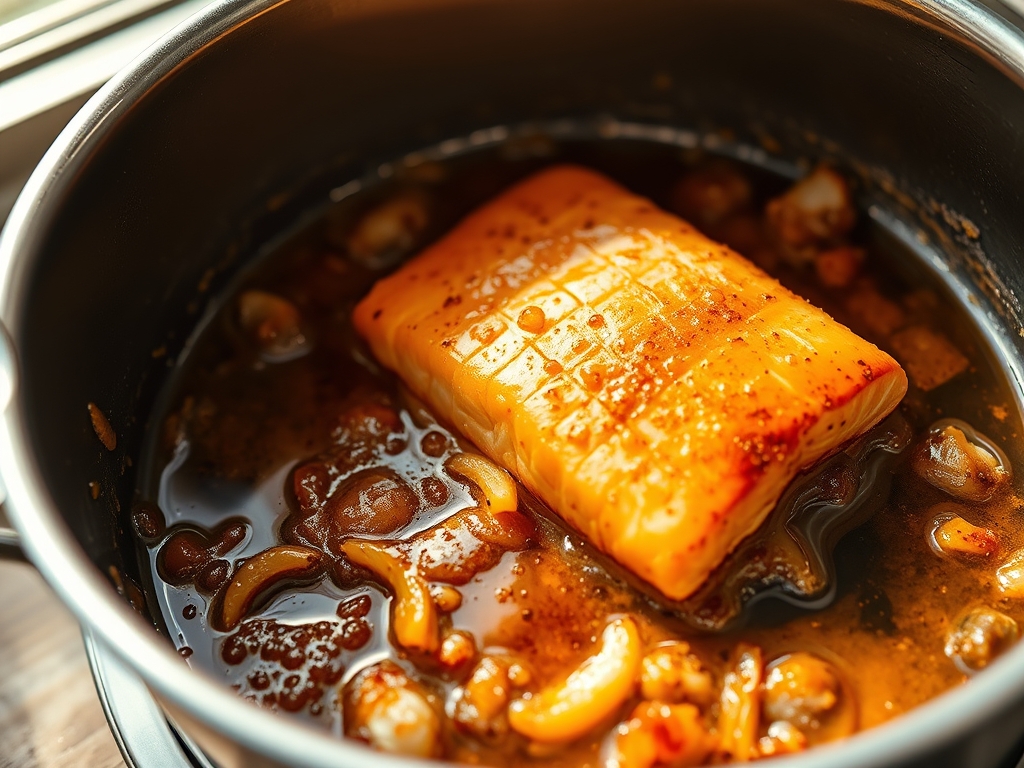
Whisk your dry spices in a small stainless steel mixing bowl until the color is uniform. Use a digital scale to ensure the ratio of salt to heat is precise; guessing leads to inconsistent results. Once combined, place your melted butter in a shallow saucier or wide-rimmed bowl.
Pro Tip: The butter acts as a delivery vehicle for the heat. By dipping the fish in butter before the spices, you create a lipid barrier that protects the delicate proteins while allowing the spices to undergo the Maillard reaction without burning the flesh.
2. Coating the Specimen
Dip each salmon fillet into the melted butter, ensuring total coverage. Immediately dredge the fillet into the spice mixture. Use a bench scraper to tidy the edges of the spice pile, ensuring you press the rub firmly into the flesh.
Pro Tip: Do not coat the fish until the pan is hot. If the spices sit on the raw fish too long, the salt will draw out moisture through osmosis, turning your beautiful dry rub into a muddy paste that will never crisp.
3. Thermal Calibration
Place a heavy-bottomed cast iron skillet over high heat. Add your neutral oil; it should shimmer and show "legs" like a fine wine. Use an infrared thermometer to verify a surface temperature of at least 425 degrees Fahrenheit.
Pro Tip: Cast iron is essential because of its high thermal mass. A thin aluminum pan will drop in temperature the moment the cold fish hits it, resulting in steaming rather than searing. You need the pan to hold its energy to render the fats instantly.
4. The Execution of the Sear
Lay the fillets away from you to avoid oil splatter. Do not move them for at least three minutes. You are looking for the spices to darken into a deep, charred mahogany. Flip carefully using a fish spatula.
Pro Tip: Use a digital probe thermometer to check the internal temperature. Remove the fish at 125 degrees Fahrenheit for a perfect medium-rare. The residual heat will carry it to 130 degrees during the rest, maintaining the moisture levels within the lamellae of the fish.
Section B: Prep & Timing Fault-Lines:
The most common human error is "The Panic Flip." Cooks see smoke and assume the fish is burning. In a Blackened Salmon Audit, the smoke is your friend. It indicates that the milk solids in the butter and the sugars in the spices are caramelizing. If you flip too early, the crust will stick to the pan, tearing the muscle fibers of the fish. The Fix: Trust the timer and the temperature. If the fish doesn't release easily from the pan, the crust hasn't fully formed. Wait another thirty seconds.
THE VISUAL SPECTRUM
Section C: Thermal & Visual Troubleshooting:
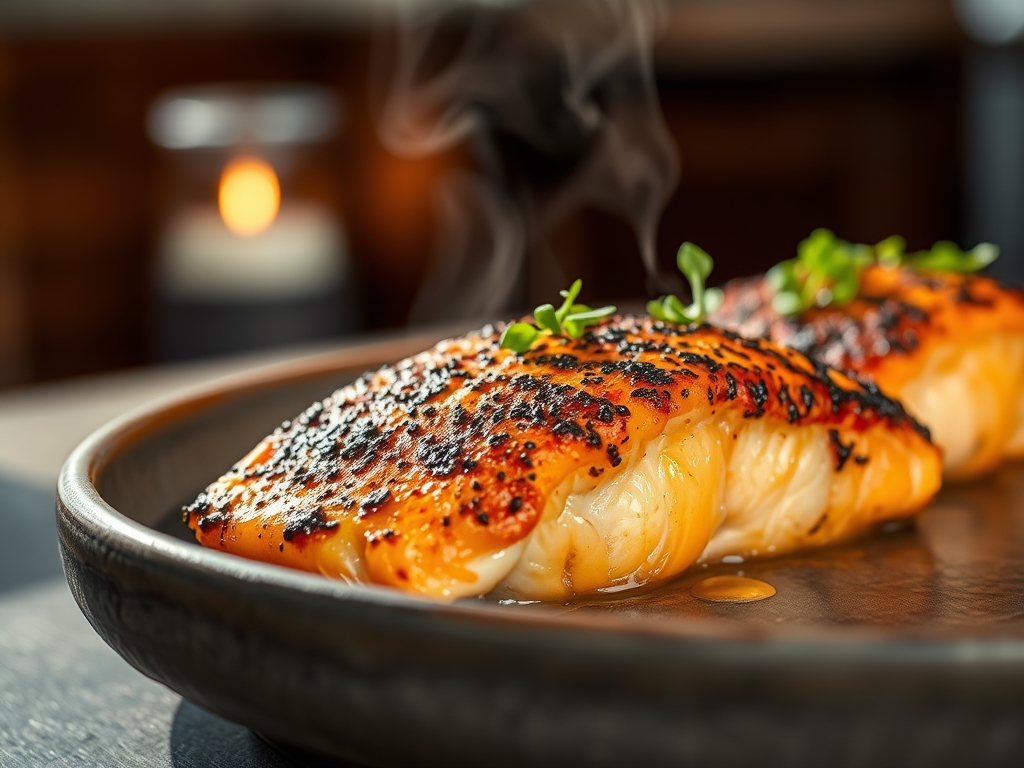
Referencing the Masterclass photo, notice the "obsidian" sheen. This is not carbonized ash; it is a viscous glaze of spices and fat. If your fish looks gray or pale, your pan temperature was too low. The heat must be aggressive enough to flash-dry the surface spices.
If you see white droplets escaping from the sides of the fish, you have overcooked it. That white substance is albumin, a protein that "leaks" out when the muscle fibers contract too tightly from excessive heat. The Fix: Pull the fish five degrees earlier next time. The visual cue for perfection is a vibrant orange center contrasted against a dark, matte-finish crust.
THE DEEP DIVE
Macro Nutrition Profile:
A standard 6-ounce serving of blackened salmon provides approximately 340 calories, 38g of protein, and 18g of fat (primarily heart-healthy Omega-3s). The carbohydrate count remains negligible at under 2g, stemming entirely from the spices.
Dietary Swaps:
- Vegan: Use extra-firm tofu pressed for two hours. Swap butter for avocado oil or a vegan butter substitute with high lecithin content for better adhesion.
- Keto/GF: This recipe is inherently Keto and Gluten-Free. Ensure your spice blends do not contain anti-caking agents like cornstarch.
Meal Prep & Reheating Science:
Reheating salmon is a delicate operation. To maintain the molecular structure, avoid the microwave, which vibrates water molecules and toughens the protein. Instead, use an air fryer at 300 degrees Fahrenheit for four minutes. This effectively re-crisps the spice crust without over-extending the internal temperature of the fish.
THE KITCHEN TABLE
Why is my salmon sticking to the cast iron?
Your pan likely wasn't hot enough, or you tried to flip it before the crust fully set. The Maillard reaction creates a natural release once the surface moisture has evaporated and the proteins have bonded into a solid crust.
Can I do this with a non-stick pan?
Negative. High-heat blackening will ruin the coating of a non-stick pan and release toxic fumes. Stick to cast iron or carbon steel to handle the extreme thermal requirements of this specific Blackened Salmon Audit.
Is the smoke dangerous?
It is not dangerous, but it is prolific. Ensure your ventilation is on high or open a window. The smoke is a byproduct of the butter's milk solids and spices reaching their flash point, which is necessary for the flavor profile.
How do I get the spices to stay on?
The butter dip is the secret. It acts as a biological glue. If you skip the butter and just use oil, the spices will often slide off into the pan rather than forming a cohesive, crunchy exterior.