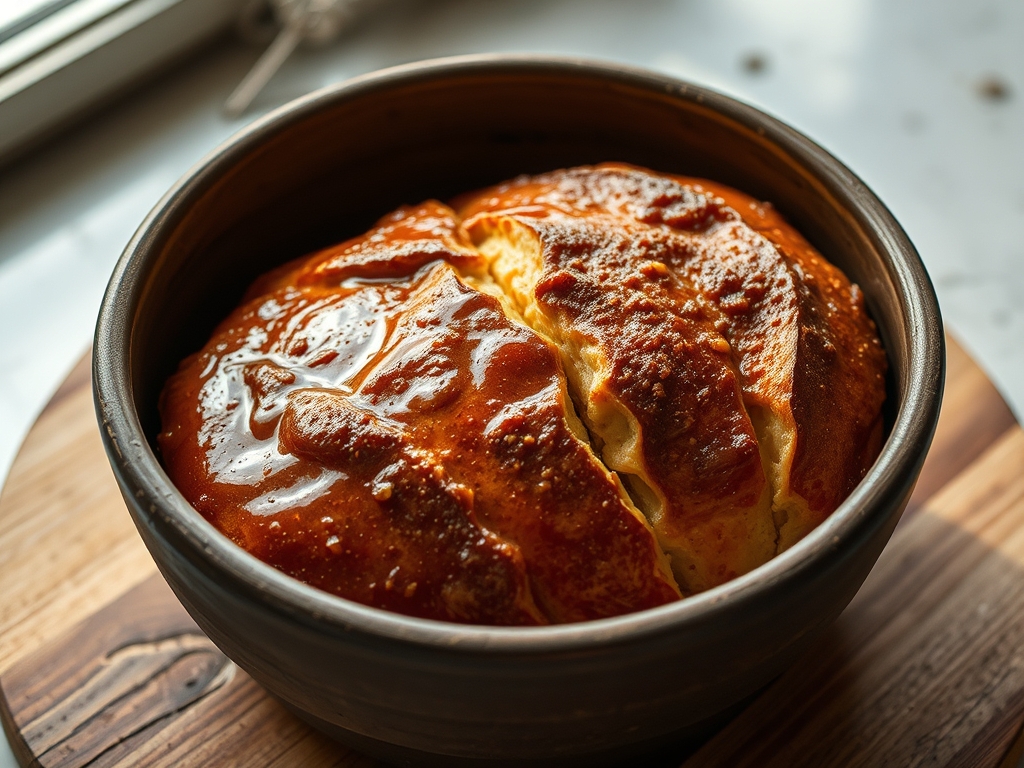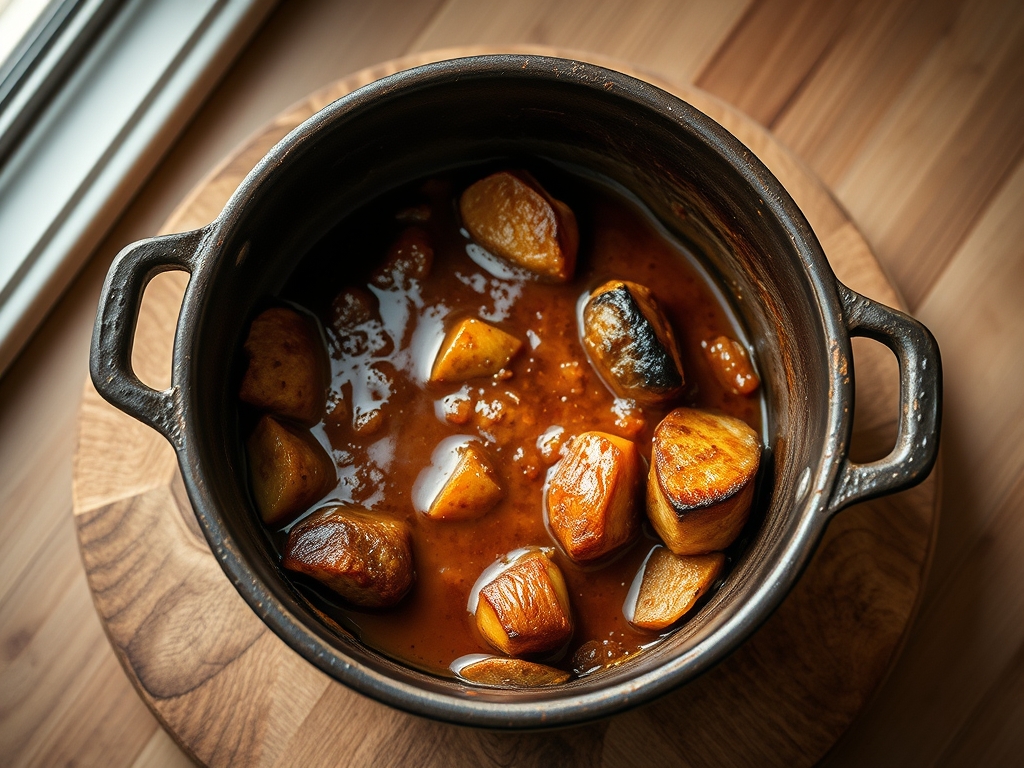
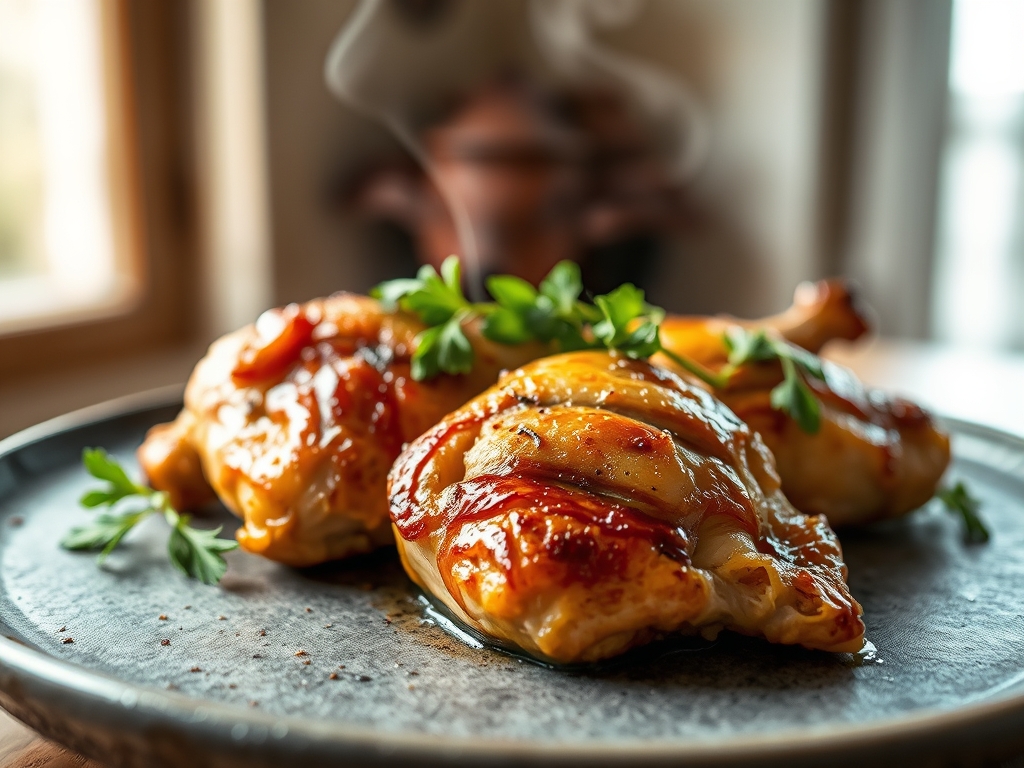
The sound of a perfectly executed Roast Chicken Skin is not merely a culinary success; it is a structural achievement. It is the audible crack of a dehydrated protein lattice, the result of a violent yet controlled thermal exchange that turns flaccid epidermal tissue into a brittle, golden glass. We are not just cooking dinner; we are managing a complex phase transition. To achieve the platonic ideal of poultry, one must embrace the role of a thermal engineer. You are looking for that specific, mahogany sheen that signals the completion of the Maillard reaction. This is where sugars and amino acids dance in a high-heat environment to produce hundreds of flavor compounds. If your bird emerges from the oven pale, flabby, or sodden with unrendered lipids, you have failed the infrastructure audit. We demand a surface that shattered under a blade, a texture that offers a defiant crunch before melting into a pool of savory, rendered fat. This is the pursuit of avian perfection, where the margin between "roasted" and "sublime" is measured in millimeters of moisture loss.
THE DATA MATRIX
| Metric | Specification |
|---|---|
| Prep Time | 24 Hours (Active: 20 Minutes) |
| Execution Time | 60 to 75 Minutes |
| Yield | 4 to 6 Servings |
| Complexity (1-10) | 7 (Precision Dependent) |
| Estimated Cost per Serving | $4.50 to $6.00 |
THE GATHERS
Ingredient Protocol:
- 1 Whole Heritage Chicken (approx. 1.8kg / 4 lbs)
- 30g / 2 tbsp Kosher Salt (Diamond Crystal preferred)
- 15g / 1 tbsp Baking Powder (Aluminum-free)
- 50g / 3.5 tbsp Unsalted Butter (High fat content, 82%+)
- 5g / 1 tsp Cracked Black Peppercorns
- 3 Large Sprigs Fresh Thyme
- 2 Large Sprigs Fresh Rosemary
- 1 Whole Head Garlic (Transversely halved)
Section A: Ingredient Quality Audit:
The primary failure point in most poultry infrastructure is the "supermarket soak." Many commercial birds are injected with a saline solution to increase weight. This internal reservoir of moisture is the enemy of Roast Chicken Skin. If your bird feels slimy or sits in a pool of pink liquid, you must intervene. Technical Fix: If the bird is pre-brined, skip the added salt in the dry rub but maintain the baking powder. If the skin is torn or thin, you lack the collagen density required for a structural crunch. Always source air-chilled birds; they have already begun the dehydration process in the processing facility, giving you a 24-hour head start on crispness.
THE MASTERCLASS
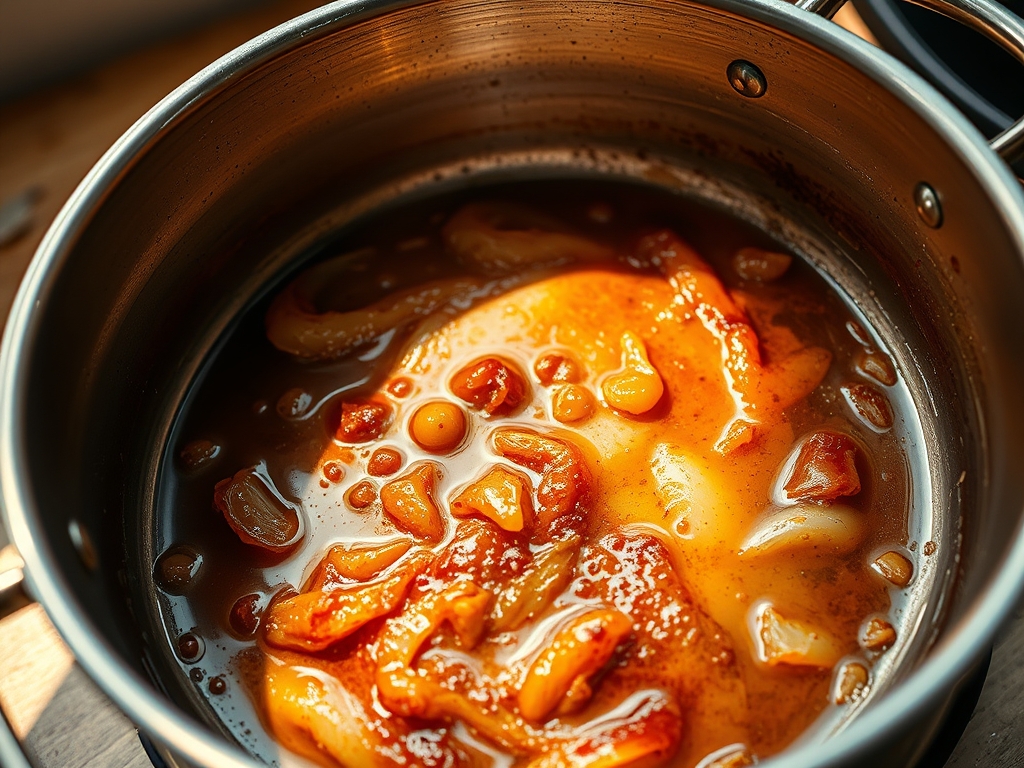
1. The Desiccation Protocol
The first step is a mandatory 24-hour dry brine. Pat the bird dry with lint-free towels until the surface is tacky. Mix your salt and baking powder in a small bowl. The baking powder is a chemical catalyst; it raises the pH level of the skin, breaking down proteins more efficiently and creating tiny micro-blisters that increase surface area for browning. Dust the bird evenly, ensuring you reach the crevices of the thighs and wings.
Pro Tip: Use a digital scale to ensure your salt-to-weight ratio is exactly 1.5 percent. This precision ensures the osmotic pressure draws moisture out of the skin without making the meat unpalatably saline.
2. The Cavity Infusion
Once the skin is dry, we must address the internal atmosphere. Stuff the cavity with your halved garlic, thyme, and rosemary. We are not just adding flavor; we are creating a localized aromatic steam chamber that will infuse the meat from the inside out while the exterior remains dry.
Pro Tip: Use a bench scraper to smash the garlic cloves before insertion. This ruptures the cell walls, releasing allicin and essential oils more effectively during the thermal ramp-up.
3. The Lipid Application
Before the bird enters the heat, it requires a conductive medium. Temper your butter until it is pliable, then whisk in the cracked pepper. Gently loosen the skin over the breast and thighs, being careful not to puncture the membrane. Massage the butter directly onto the meat, under the skin. This creates a barrier that keeps the breast meat succulent while the skin above it dehydrates.
Pro Tip: A saucier can be used to melt a small portion of the butter if it is too cold. Warming the lipids slightly allows for a more even distribution across the irregular topography of the bird.
4. The Thermal Execution
Preheat your oven to 220C / 425F. Place the bird on a wire rack set over a rimmed baking sheet. This allows for 360-degree airflow, preventing the bottom of the bird from poaching in its own juices. Roast until the internal temperature of the thickest part of the thigh registers 74C / 165F.
Pro Tip: Use a probe thermometer with an external display. Opening the oven door causes a catastrophic drop in ambient temperature, which halts the render process and leads to a rubbery texture.
Section B: Prep & Timing Fault-Lines:
The most common human error is the "Cold Start." If you move a chicken directly from a 4C refrigerator to a 220C oven, the exterior will overcook before the core reaches safety. Allow the bird to temper at room temperature for 45 minutes. Another fault-line is the "Premature Carve." If you slice the bird immediately, the internal pressure will force all the viscous juices out, saturating the underside of the skin and destroying your hard-earned crunch. A 15-minute rest is non-negotiable.
THE VISUAL SPECTRUM
Section C: Thermal & Visual Troubleshooting:
Look at the reference image above. Notice the deep, uniform mahogany color and the distinct absence of pale spots under the wings. If your bird looks "splotchy," your salt distribution was uneven. If the skin is dark but the meat is raw, your oven's radiant heat is too high; tent the bird with foil to deflect energy while the core catches up. If the skin appears dull rather than glossy, you lacked sufficient lipids. A final baste with the rendered fat in the pan can deglaze the surface and add that professional sheen. If the skin is retreating from the bone, congratulations; that is a visual cue of successful protein contraction and moisture loss.
THE DEEP DIVE
Macro Nutrition Profile:
A standard serving (150g) of roast chicken with skin provides approximately 31g of protein, 14g of fat, and 0g of carbohydrates. While the skin adds caloric density, it also provides essential monounsaturated fats, specifically oleic acid, which is also found in olive oil.
Dietary Swaps:
- Vegan: For a plant-based "skin" infrastructure, use rice paper sheets brushed with a mixture of miso, maple syrup, and neutral oil wrapped around a cauliflower roast.
- Keto/GF: This recipe is inherently Keto and Gluten-Free. Ensure your baking powder is labeled GF to avoid cross-contamination.
Meal Prep & Reheating Science:
To maintain the molecular structure of Roast Chicken Skin during reheating, avoid the microwave at all costs. The microwave excites water molecules, causing them to migrate from the meat into the skin, resulting in a soggy mess. Reheat in a 200C / 400F oven for 8 minutes to re-dehydrate the surface and aerate the fat stores.
THE KITCHEN TABLE
Why is my chicken skin rubbery?
Rubbery skin is caused by trapped moisture and unrendered fat. Ensure you dry-brine for at least 12 hours and use a wire rack for airflow. If the fat cannot escape, the skin will poach instead of crisping.
Can I use oil instead of butter?
Yes. Oil is 100 percent fat, whereas butter contains about 15 percent water. Oil will technically produce a crispier result, but you will sacrifice the complex, nutty flavors provided by the milk solids in butter.
What does baking powder actually do?
Baking powder creates a chemical reaction that produces tiny carbon dioxide bubbles on the surface. This increases the surface area of the skin, allowing it to become thinner and more brittle, much like the texture of Peking Duck.
How do I get the skin to stay crispy after roasting?
Rest the bird uncovered. If you tent it tightly with foil, you create a steam tent that will immediately soften the skin. If you must cover it, do so loosely with a single sheet of parchment paper.