Imagine the scent of sulfurous sweetness colliding with the smell of cold, laminated butter. We are not just making dinner; we are performing a structural audit on the most underrated member of the Allium genus. The Rustic Leek Tart is a masterclass in culinary architecture. It demands a perfect balance between the fibrous, vertical strength of the leek and the flaky, horizontal layering of a shortcrust pastry. When executed correctly, the leeks undergo a thermal transformation, shifting from turgid and pungent to a viscous, jam-like consistency that acts as a structural adhesive for the cheese and pastry. This is a dish that rewards precision and punishes the impatient. We are looking for a golden-brown crust that shatters on impact, revealing a vibrant, emerald-green interior that smells of white pepper and heavy cream. If your kitchen does not currently smell like a French farmhouse during a harvest festival, you have failed the first sensory check. Strap in, sharpen your knives, and prepare to manipulate fiber and fat into a savory masterpiece.
THE DATA MATRIX
| Metric | Specification |
|---|---|
| Prep Time | 45 Minutes |
| Execution Time | 55 Minutes |
| Yield | 6 to 8 Servings |
| Complexity (1-10) | 7 |
| Estimated Cost per Serving | $2.45 USD |
THE GATHERS
Ingredient Protocol:
The Structural Base (Pastry):
- 315g / 2.5 cups All-purpose flour (low protein for tenderness).
- 225g / 1 cup Unsalted butter (frozen and cubed).
- 5g / 1 tsp Diamond Crystal Kosher salt.
- 120ml / 0.5 cup Ice water (measured exactly).
The Allium Filling:
- 900g / 4 large Leeks (white and light green parts only).
- 45g / 3 tbsp Unsalted butter.
- 15ml / 1 tbsp Extra virgin olive oil.
- 120ml / 0.5 cup Heavy cream (minimum 36% milkfat).
- 150g / 1.5 cups Gruyere cheese (freshly grated).
- 2g / 0.5 tsp Fresh thyme leaves.
- To taste: Fine sea salt and freshly cracked white pepper.
Section A: Ingredient Quality Audit:
The primary failure point in a Rustic Leek Tart is the moisture content of the leeks. If your leeks feel rubbery or limp before you even begin, they have lost their cellular turgidity. Technical Fix: Submerge sliced leeks in an ice-water bath for 20 minutes to rehydrate the cell walls through osmosis. If your butter is too warm (above 18C / 65F), the pastry will fail to laminate. Technical Fix: Flash-freeze your cubed butter for 15 minutes before incorporating it into the flour. Finally, avoid pre-shredded cheese. The anti-caking agents (cellulose) prevent the cheese from achieving a viscous melt, resulting in a gritty texture that ruins the mouthfeel.
THE MASTERCLASS
Step-by-Step Execution:
1. The Shortcrust Infrastructure
Whisk your dry ingredients in a large chilled bowl. Using a bench scraper, cut the frozen butter into the flour until the fragments are the size of peas. Slowly drizzle in the ice water, tossing with a fork until a shaggy mass forms. Do not overwork the dough; we want distinct butter pockets. Wrap in plastic and refrigerate for at least 60 minutes to allow the gluten to relax and the starch to hydrate.
Pro Tip: Use your digital scale to ensure the water-to-flour ratio is exact. Excess moisture leads to gluten over-development, turning a flaky crust into a bread-like slab.
2. The Allium Reduction
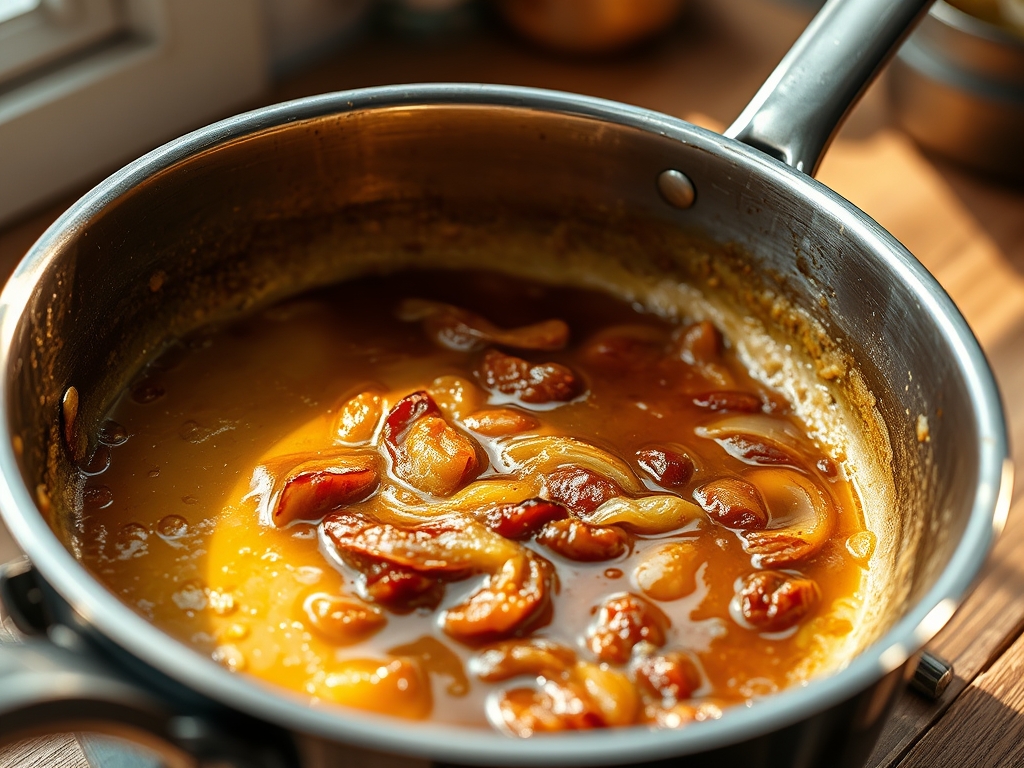
Clean the leeks thoroughly to remove grit. Slice them into 1cm rounds. In a heavy-bottomed saucier, melt the butter and oil over medium-low heat. Add the leeks and a pinch of salt. Cover and sweat them for 15 minutes. Remove the lid and increase the heat slightly to render out the remaining moisture until they are soft but not browned.
Pro Tip: Deglaze the pan with a splash of dry white wine if the sugars begin to stick. This adds a piquant acidity that cuts through the richness of the cream.
3. The Cream Infusion
Pour the heavy cream over the softened leeks. Simmer gently until the liquid has reduced by half and the mixture is thick and coating the back of a spoon. Stir in the fresh thyme and white pepper. Remove from heat and allow the mixture to cool completely before it touches the dough.
Pro Tip: Adding warm filling to cold dough will melt the butter instantly, destroying your lamination. Use a wide sheet pan to spread the filling thin for rapid cooling.
4. Assembly and Architecture
Roll the chilled dough on a floured surface into a 12-inch circle. Transfer to a parchment-lined baking sheet. Spread the cooled leek mixture in the center, leaving a 2-inch border. Sprinkle the grated Gruyere over the leeks. Fold the edges of the dough over the filling, pleating as you go to create a rustic crust.
Pro Tip: Use a pastry brush to apply a light egg wash to the crust. This promotes the Maillard reaction, ensuring a deep, mahogany finish.
5. The Thermal Transformation
Bake at 200C / 400F for 35 to 40 minutes. You are looking for a crust that is deeply browned and a filling that is bubbling and slightly caramelized on the edges. Let the tart rest for 10 minutes on a wire rack before slicing.
Pro Tip: An infrared thermometer should read at least 90C (195F) in the center of the crust to ensure the bottom is fully baked and not "soggy bottomed."
Section B: Prep & Timing Fault-Lines:
The most common human error is the "Warm Hands" syndrome. If you find the dough becoming sticky or greasy while rolling, stop immediately. Transfer the entire sheet pan to the freezer for 10 minutes. Timing the leek reduction is also critical. If you rush the sweating process, the leeks will remain fibrous and "stringy" in the finished tart. They must be completely softened before the cream is added to ensure a cohesive internal structure.
THE VISUAL SPECTRUM
Section C: Thermal & Visual Troubleshooting:
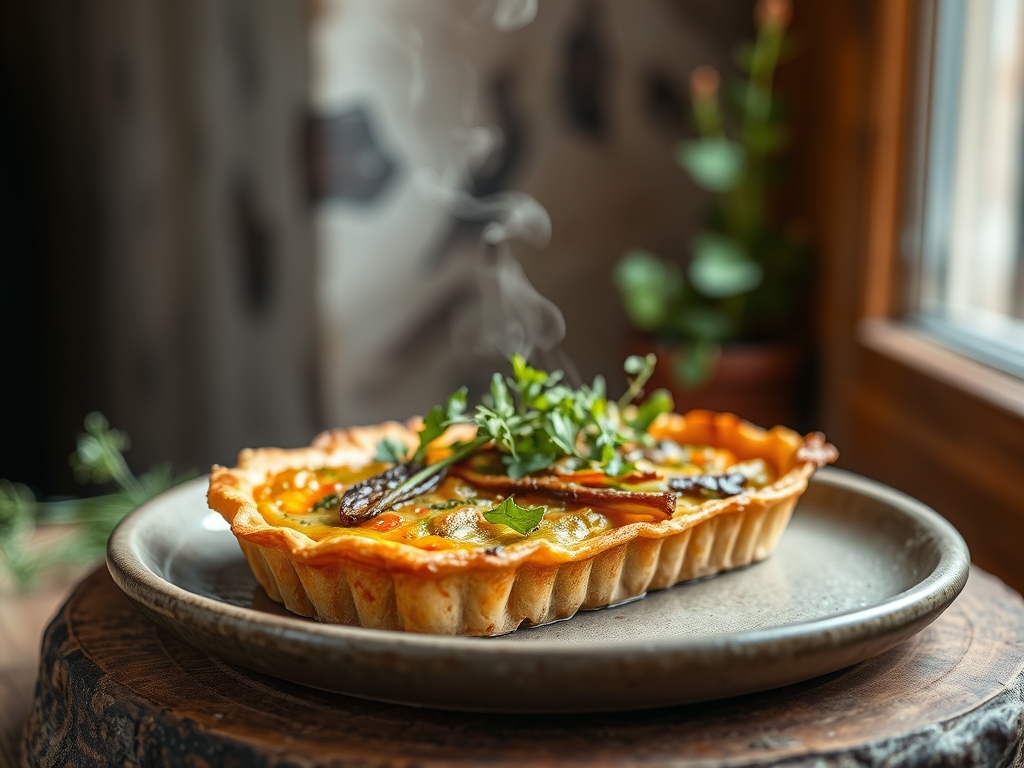
Referencing the Masterclass photo, notice the shingled pleats of the crust. If your pleats are spreading or losing their shape, your dough was likely too warm during assembly. If the top of the leeks looks dull rather than glossy, you likely under-reduced the cream; the fats did not properly infuse with the vegetable fibers. For uneven browning, rotate your baking sheet 180 degrees halfway through the bake. If the cheese is browning too fast, tent the center with foil while allowing the crust to finish.
THE DEEP DIVE
Macro Nutrition Profile:
A single slice provides approximately 420 calories, 32g of fat, 28g of carbohydrates, and 12g of protein. The high fat content comes primarily from the butter and Gruyere, which provide the essential mouthfeel and satiety.
Dietary Swaps:
- Vegan: Replace butter with a high-quality vegan block (oil-based) and use coconut cream with a squeeze of lemon in place of heavy cream. Substitute Gruyere with a cashew-based nutritional yeast crumble.
- Keto: Eliminate the crust entirely and bake the filling in a buttered ramekin as a "Leek Gratin."
- GF: Use a 1-to-1 gluten-free flour blend containing xanthan gum to maintain structural integrity.
Meal Prep & Reheating Science:
To maintain the molecular structure of the crust, never use a microwave. Reheat slices in a 175C / 350F oven for 10 minutes. This re-crisps the butter layers and prevents the leek filling from becoming watery through steam-induced syneresis.
THE KITCHEN TABLE
Why is my tart crust tough instead of flaky?
You likely over-worked the dough, activating the gluten. Next time, use a bench scraper to minimize hand contact and keep the butter cold.
Can I use the green parts of the leeks?
Only the light green parts. The dark green tops are too fibrous for a tart and are better suited for infusing stocks or broths.
How do I prevent a soggy bottom?
Pre-heat your baking sheet in the oven before sliding the parchment and tart onto it. This creates an immediate thermal shock that sears the bottom crust.
What is the best cheese substitute for Gruyere?
Comte or Fontina are excellent alternatives. They provide the necessary viscous melt and nutty profile required to complement the leeks.