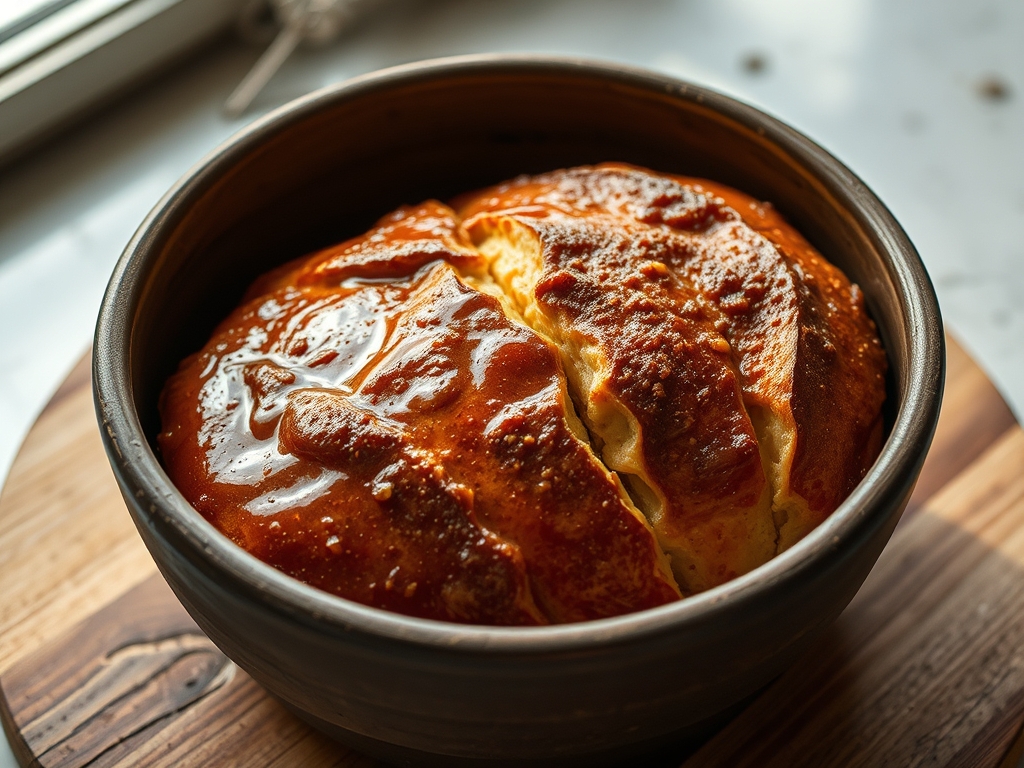

Stop treating your breakfast carbohydrate as a side dish and start viewing it as a structural engineering project. We are not just making breakfast; we are managing a complex system of lipid suspension and gluten inhibition to achieve the ultimate Hand Pressed Biscuit. The air in your kitchen should smell of toasted lactose and scorched wheat. If you are looking for a uniform, factory-stamped puck of dough, you have come to the wrong audit. We are here for the craggy peaks, the jagged edges, and the irregular lamination that only occurs when human hands interface with frozen lipids. This is about the friction between cold butter and stone-ground flour. When you bite down, the exterior should shatter like glass while the interior remains a soft, steaming cloud of aerated crumb. We are auditing the very soul of rustic baking. Forget the rolling pin; we are using tactile pressure to create layers that defy gravity. This is high-stakes chemistry disguised as comfort food.
THE DATA MATRIX
| Metric | Specification |
|---|---|
| Prep Time | 20 Minutes |
| Execution Time | 15 Minutes |
| Yield | 8 to 10 Biscuits |
| Complexity (1-10) | 7 |
| Estimated Cost per Serving | $0.45 |
THE GATHERS
Ingredient Protocol:
- 500g / 4 cups All-Purpose Flour (Low protein preferred)
- 15g / 1 tbsp Baking Powder
- 5g / 1 tsp Baking Soda
- 8g / 1.5 tsp Fine Sea Salt
- 225g / 1 cup Unsalted Butter (Frozen and grated)
- 350ml / 1.5 cups Full-Fat Buttermilk (Chilled)
- 30ml / 2 tbsp Melted Butter (For finishing)
Section A: Ingredient Quality Audit:
If your flour has a protein content exceeding 11 percent, your biscuit will transition from tender to structural timber. High protein develops too much gluten when hydrated; counteract this by replacing 10 percent of your flour with cornstarch to aerate the crumb. If your buttermilk lacks that signature viscous pull, it is likely a low-fat imitation. Fix this by whisking in a tablespoon of heavy cream to ensure the fat content supports the crumb structure. Most importantly, if your butter smells like the "fridge," it has oxidized. Use high-quality European-style butter with at least 82 percent butterfat to ensure the water content is low enough to prevent premature gluten activation.
THE MASTERCLASS
1. The Dry Sift and Aeration
Begin by passing your flour, baking powder, baking soda, and salt through a fine-mesh sieve into a chilled stainless steel bowl. This is not just about removing lumps; it is about ensuring the chemical leaveners are perfectly distributed to prevent "hot spots" of metallic aftertaste. Use a digital scale for this step because volume measurements are the enemy of consistency.
Pro Tip: Sifting from a height of twelve inches allows the flour to aerate and capture atmospheric oxygen, which provides a microscopic head start for the leavening gases to expand.
2. The Lipid Integration
Take your frozen, grated butter and toss it into the dry mix. Use a bench scraper to coat every individual shard of fat with flour. Do not use your hands yet; the goal is to keep the butter in a solid state. You want a texture resembling coarse gravel, not wet sand.
Pro Tip: Keeping the butter frozen ensures that it does not render during the mixing phase. These discrete pockets of fat will steam in the oven, creating the mechanical lift required for a tall Hand Pressed Biscuit.
3. Hydration and Shaggy Mass
Create a well in the center and pour in the chilled buttermilk. Use a cold silicone spatula to fold the mixture until a shaggy, hydrated mass forms. There should still be visible dry flour at the bottom of the bowl. Over-mixing at this stage is a terminal error that will result in a tough, rubbery product.
Pro Tip: The acidity in the buttermilk reacts instantly with the baking soda to infuse the dough with carbon dioxide. Work quickly to preserve these bubbles before they dissipate.
4. The Hand Press Lamination
Turn the dough onto a floured surface. Instead of a rolling pin, use the heels of your hands to flatten the dough into a rectangle. Fold the dough over itself like a letter, rotate ninety degrees, and repeat four times. This creates "manual" layers without overworking the gluten.
Pro Tip: Using a bench scraper to assist with the folds keeps the dough cool. This process, known as "rough puff" lamination, creates the distinct "shatter" effect seen in the audit photo.
5. The Vertical Cut
Pat the dough to a thickness of one inch. Use a sharp, floured circular cutter to press straight down. Do not twist the cutter. Twisting seals the edges of the dough and prevents the biscuit from rising vertically.
Pro Tip: A sharp edge is a professional tool requirement. If the edges are pinched, the steam cannot escape, and your lamination will remain trapped and compressed.
6. The Thermal Shock
Arrange the biscuits on a heavy-gauge baking sheet so they are just touching. This "buddy system" forces the expansion upward rather than outward. Bake at 425 degrees Fahrenheit for 15 minutes or until the tops are a deep, golden mahogany.
Pro Tip: Placing the tray on a preheated pizza stone can provide an extra burst of bottom heat, ensuring the base is as crisp as the craggy top.
Section B: Prep & Timing Fault-Lines:
The most common failure in biscuit infrastructure is "Thermal Creep." If your kitchen is over 75 degrees, your butter will begin to soften the moment it hits the flour. If you see the dough becoming shiny or sticky, halt operations immediately and place the entire bowl in the freezer for ten minutes. Timing is also critical; the moment the buttermilk hits the leaveners, the clock is ticking. If you let the dough sit on the counter while the oven preheats, you are losing the primary lift. Always ensure your oven has been at temperature for at least twenty minutes before the biscuits enter the chamber.
THE VISUAL SPECTRUM
Section C: Thermal & Visual Troubleshooting:
Referencing the Masterclass photo, your Hand Pressed Biscuit should exhibit "Crusted Topography." If your tops are pale and smooth, your oven temperature was too low, failing to trigger the Maillard reaction. If the biscuits have tilted to one side, you likely applied uneven pressure during the hand-pressing phase or twisted the cutter. A "dull" finish indicates a lack of surface moisture; brushing the tops with buttermilk or melted butter halfway through the bake can create a piquant, glossy sheen. If the interior is yellowed, you have an excess of baking soda; if it is grey, your flour is likely aged or oxidized.
THE DEEP DIVE
Macro Nutrition Profile:
Each biscuit contains approximately 280 calories, 14g of fat, 32g of carbohydrates, and 5g of protein. The high saturated fat content is the functional driver of the texture; reducing this will fundamentally alter the structural integrity of the lamination.
Dietary Swaps:
For a vegan variant, substitute butter with frozen coconut oil (refined) and use soy milk with a tablespoon of apple cider vinegar as a buttermilk surrogate. For Gluten-Free requirements, a 1-to-1 blend with added xanthan gum is necessary, though the "shatter" factor will be reduced by 30 percent. Keto versions rely on almond flour and egg whites, which will produce a softer, more "scone-like" result.
Meal Prep & Reheating Science:
To maintain the molecular structure, never microwave a biscuit. The localized heating of water molecules will turn the starch into a gummy, elastic mess. Instead, wrap in foil and reheat in a 350-degree oven for six minutes. This restores the crispness of the exterior lipids while gently steaming the interior.
THE KITCHEN TABLE
Why are my biscuits dry?
You likely over-baked them or used too much flour during the folding process. Excess flour absorbs the moisture intended for the crumb. Use a digital scale to ensure your ratios are precise and check internal temperature; it should hit 200 degrees.
Can I make the dough ahead of time?
Yes, but only up to the cutting stage. Freeze the raw pucks on a tray, then transfer to a bag. Bake directly from frozen, adding three minutes to the timer. This actually improves the lamination due to the increased thermal shock.
What is the best flour for biscuits?
Look for "Soft Winter Wheat" flour. It has a lower protein content than standard bread flour, which ensures the gluten network remains fragile and tender rather than chewy. White Lily is the industry gold standard for this specific application.
Why didn't my biscuits rise?
Your baking powder is likely expired. Chemical leaveners lose potency after six months. To test, drop a teaspoon into hot water; if it does not violently bubble, discard it and buy a fresh tin before attempting this audit again.