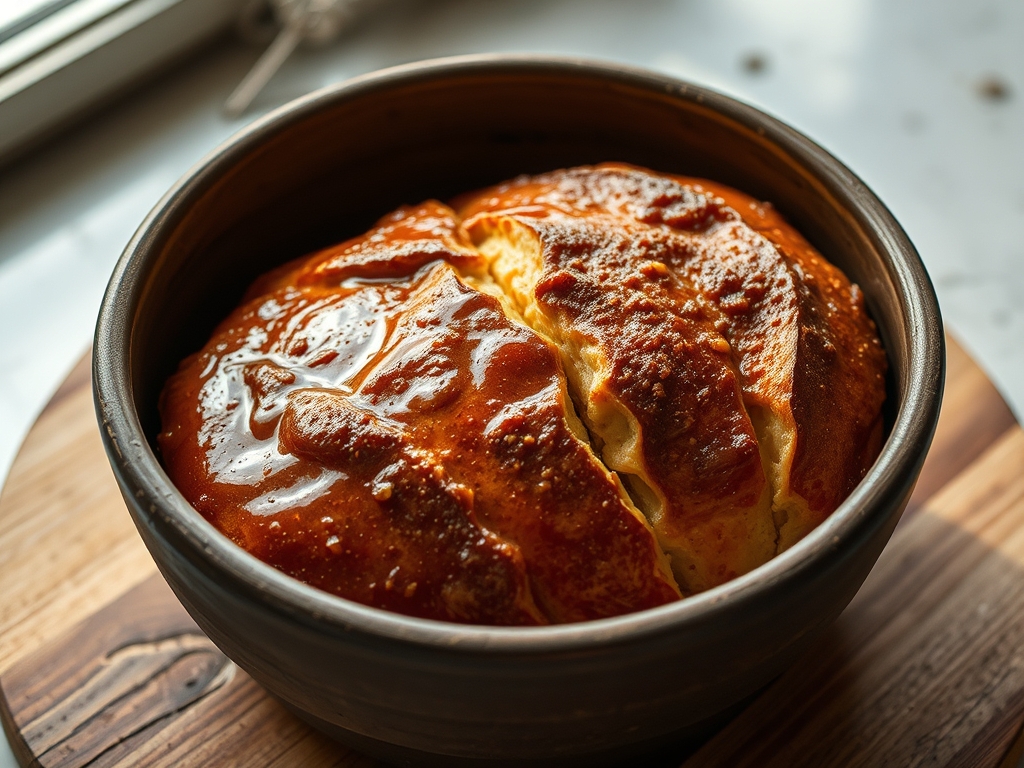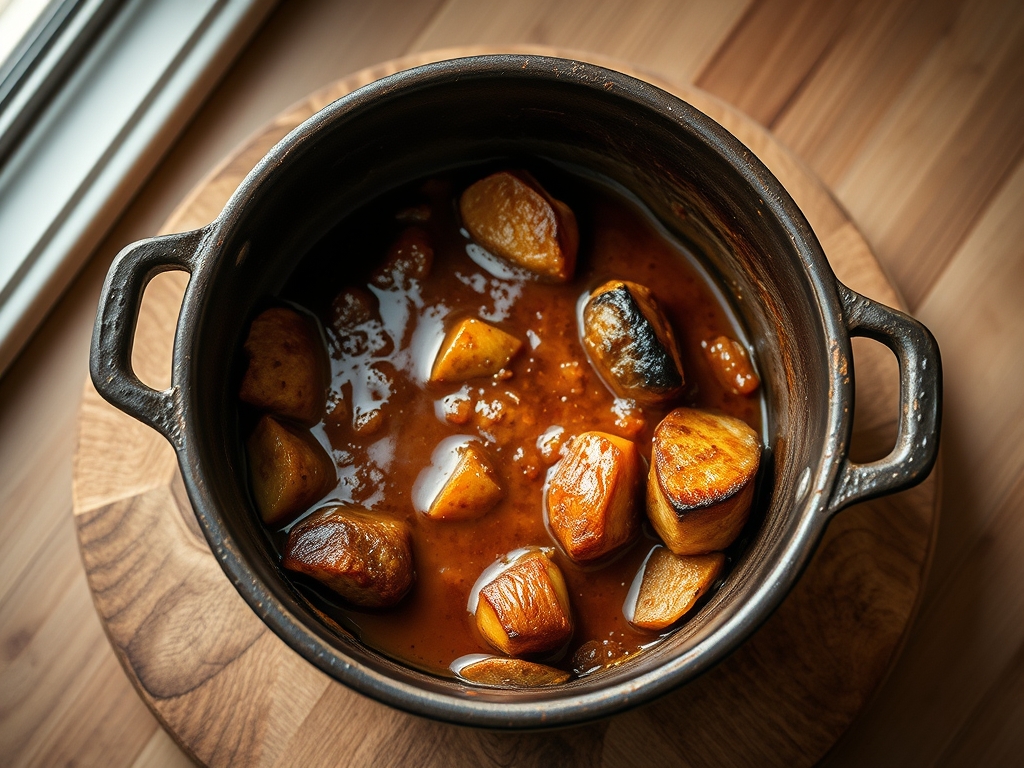
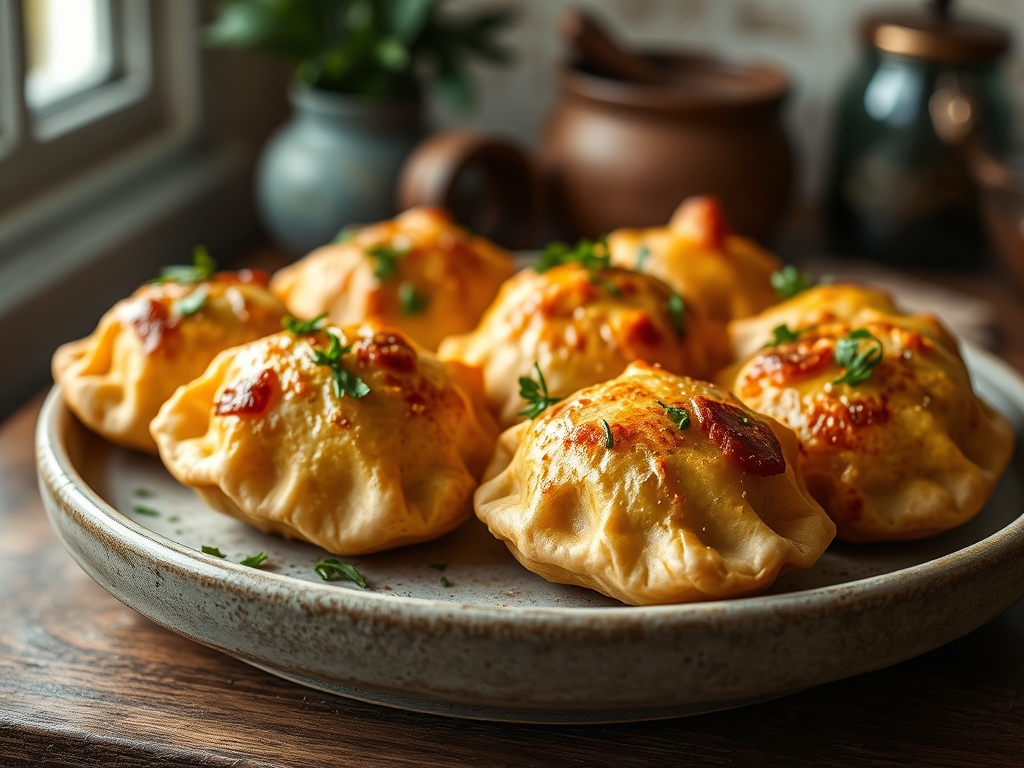
Listen up, because we are about to dissect the architectural marvel of the culinary world. We are not just making lunch; we are performing a structural audit on the legendary Hand Crimped Pasties. Imagine a crust so sturdy it could survive a drop down a Cornish tin mine, yet so flaky it shatters like glass upon the first bite. The scent of rendering beef fat and earthy root vegetables should hit your nostrils with the force of a gale-force wind off the Atlantic coast. This is a masterclass in tension, moisture management, and the physics of the side-crimp. If your pastry lacks the structural integrity to hold a dense payload of steak and potato without weeping, you have failed the inspection. We are looking for a golden-brown exterior that screams Maillard reaction excellence and a seam so tight it would make a master tailor weep with envy. Prepare your workspace; we are moving from amateur hour to high-stakes pastry engineering.
THE DATA MATRIX
| Metric | Specification |
|---|---|
| Prep Time | 45 Minutes |
| Execution Time | 55 Minutes |
| Yield | 6 Substantial Units |
| Complexity | 7/10 |
| Estimated Cost per Serving | $2.75 / 2.10 GBP |
THE GATHERS
Ingredient Protocol:
- 500g / 4 cups All-Purpose Flour (High protein content preferred)
- 125g / 0.5 cups Chilled Lard (For authentic structural crumb)
- 125g / 0.5 cups Chilled Unsalted Butter (For flavor profile)
- 250ml / 1 cup Ice-Cold Water (To prevent premature gluten development)
- 10g / 2 tsp Fine Sea Salt
- 450g / 1 lb Beef Skirt Steak (Diced into 1cm cubes)
- 450g / 1 lb Waxy Potatoes (Peeled and finely chipped)
- 250g / 0.5 lb Yellow Onion (Finely minced)
- 250g / 0.5 lb Swede or Rutabaga (Finely chipped)
- 1 Large Egg (Beaten for the protein-rich wash)
Section A: Ingredient Quality Audit:
If your lard is at room temperature, abort the mission. Warm fats will emulsify into the flour rather than remaining as discrete pockets; this results in a bread-like texture instead of the desired laminate flake. If your beef is too lean, the interior will be arid. You need the intramuscular fat to render during the bake to create a natural gravy. If the swede is woody, it indicates a lack of moisture; soak the cubes in cold water for ten minutes to rehydrate the cellular structure before assembly. Use a digital scale for all measurements to ensure the hydration ratio remains within the 50 percent threshold.
THE MASTERCLASS
1. The Lipid Integration Phase
Combine your flour and salt in a large chilled bowl. Use a bench scraper to cut the lard and butter into the flour until the mixture resembles coarse sand with some pea-sized lumps remaining. Do not overwork the dough with your hands; the heat from your palms will melt the fats and ruin the structural integrity.
Pro Tip: Keeping the fats in solid states creates steam pockets during baking. As the water evaporates, it lifts the flour layers to aerate the crust, creating that signature "snap" found in elite Hand Crimped Pasties.
2. Hydration and Homogenization
Slowly introduce the ice-cold water while tossing the mixture with a fork. You are looking for a "shaggy mass" that just barely holds together. Wrap the dough tightly in plastic and refrigerate for at least one hour. This allows the gluten to relax and the moisture to distribute evenly across the starch molecules.
Pro Tip: A rest period prevents the pastry from shrinking in the oven. Use a digital scale to divide the dough into 180g balls to ensure uniform thermal conduction across all units.
3. The Filling Architecture
While the dough rests, prepare your filling. Do not pre-cook the ingredients. The steak, potatoes, onions, and swede must be seasoned heavily with salt and cracked black pepper just before assembly. Mixing them too early will draw out moisture via osmosis, leading to a soggy bottom.
Pro Tip: The raw filling strategy ensures that the juices infuse directly into the pastry wall, creating a seasoned barrier that is both viscous and savory.
4. The Structural Crimp
Roll each dough ball into a 20cm circle. Place the filling in the center. Fold the dough over to create a half-moon. Now, the technical part: starting at one end, fold the edge over itself in a rhythmic "tuck and roll" motion to create a rope-like seam along the side.
Pro Tip: The side-crimp acts as a reinforced handle. Historically, this allowed miners to eat with dirty hands without contaminating the main meal. Use a bench scraper to lift the pasty onto the baking sheet to avoid tearing the delicate underside.
5. The Thermal Transformation
Brush each pasty with the beaten egg wash. This provides the protein necessary for a deep, mahogany gloss. Bake at 200C (400F) for 20 minutes, then drop the temperature to 160C (320F) for another 35 minutes. This two-stage heating ensures the crust sets before the interior steam can compromise the seal.
Pro Tip: Use an instant-read thermometer to verify the internal temperature has reached 74C (165F). This confirms the beef has safely cooked and the starches in the potato have fully gelatinized.
Section B: Prep & Timing Fault-Lines:
The most common failure is the "blowout," where steam escapes through a weak seam. This is usually caused by overfilling or a loose crimp. If you notice the dough is becoming sticky during the rolling phase, return it to the freezer for five minutes. Timing is everything; if the pasties sit on the counter too long before entering the oven, the fats will soften, and you will lose the defined ridges of your hand-crimped edge.
THE VISUAL SPECTRUM
Section C: Thermal & Visual Troubleshooting:
Look at the reference image. The Hand Crimped Pasties should exhibit a uniform, golden-orange hue, not a pale yellow or charred black. If you see "leaking" at the base, your seal was not airtight. A dull, matte finish indicates you skipped the egg wash or used an old egg with broken-down proteins. If the crimp looks blurred, the oven was not hot enough at the start to "set" the shape. The surface should have tiny micro-blisters; this is the visual evidence of high-quality, ice-cold fat reacting to intense heat.
THE DEEP DIVE
Macro Nutrition Profile:
Each pasty is a caloric powerhouse designed for labor-intensive days. Expect approximately 750 calories, 45g of fat, 65g of carbohydrates, and 28g of protein. It is a complete meal in a self-contained biodegradable wrapper.
Dietary Swaps:
- Vegan: Replace lard and butter with a high-quality vegetable shortening and use a mushroom and lentil base for the filling.
- Keto: This is difficult given the pastry focus, but a fat-head dough (mozzarella and almond flour) can simulate the structure, though it lacks the lamination.
- GF: Use a 1:1 gluten-free flour blend with added xanthan gum to provide the elasticity needed for the crimp.
Meal Prep & Reheating Science:
To maintain the molecular structure, never microwave a pasty. The microwave agitates water molecules, turning the crust into a rubbery mess. Instead, reheat in an oven at 175C (350F) for 15 minutes. This re-crisps the exterior lipids while gently warming the interior mass.
THE KITCHEN TABLE
Why is my pastry tough instead of flaky?
You likely over-mixed the dough, developing too much gluten. Or, you used warm water. Keep everything ice-cold to ensure the fats remain solid until they hit the oven's heat.
Can I use puff pastry for this?
Technically yes, but it will not be a Cornish Pasty. Puff pastry is too fragile to support the heavy, raw filling. You need the "short" structural integrity of a traditional lard-based crust.
What is the best way to dice the beef?
Hand-cut the steak into 1cm cubes using a sharp chef's knife. Do not use ground beef; it lacks the textural contrast and will result in a greasy, compressed interior.
My pasty exploded in the oven. Why?
Steam pressure built up with no escape. While the crimp should be tight, you can poke two tiny steam vents in the top with a skewer to regulate internal pressure.