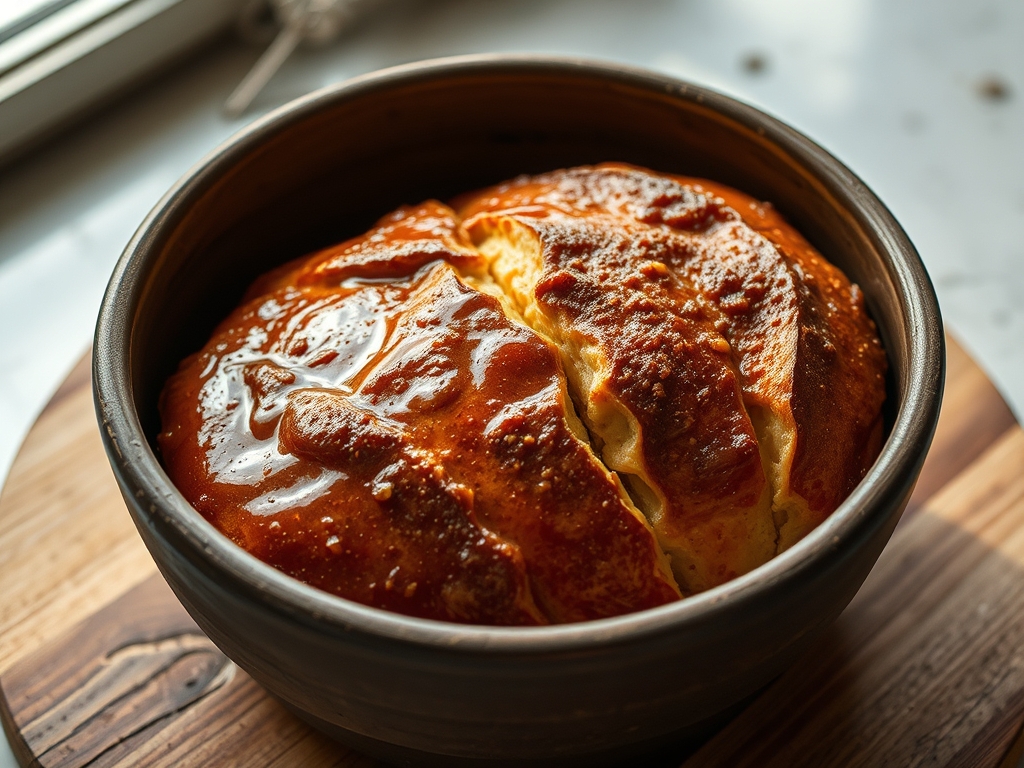
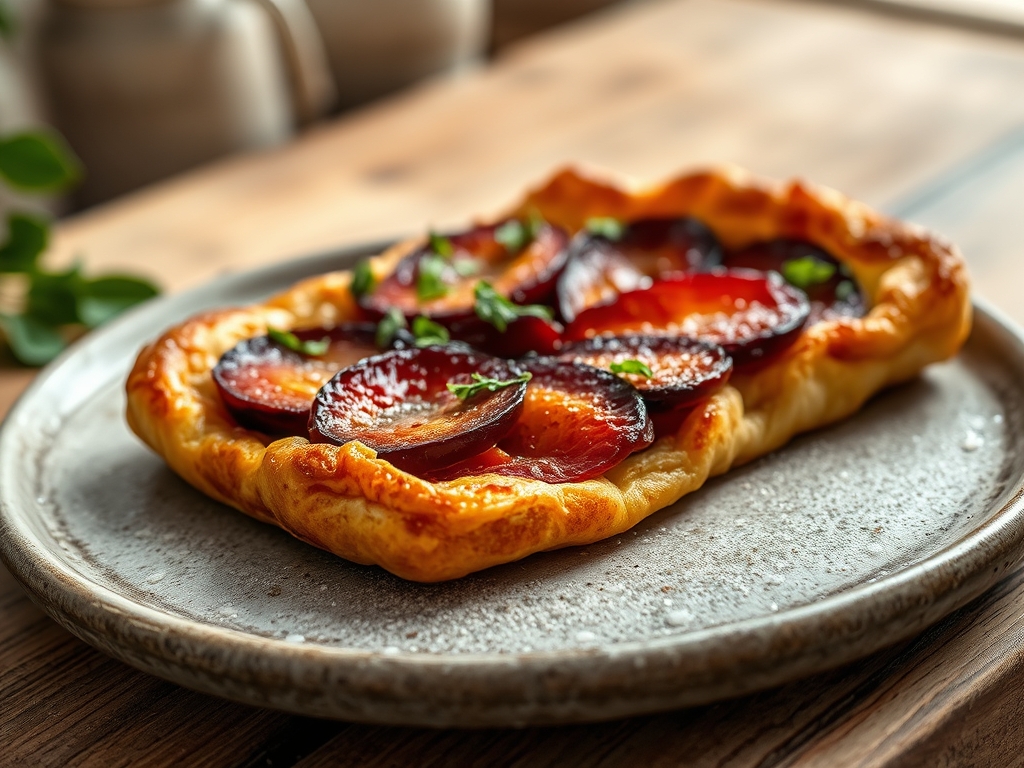
Listen to the sound of the thermal collapse. It is the rhythmic crackle of a high-hydration pastry shell yielding to the concentrated pressure of stone fruit nectar. We are not merely baking a dessert; we are orchestrating a controlled chemical reaction where the Plum Galette Surface becomes a topographical map of caramelized excellence. The goal is a crust that shatters like glass and a filling that glows with the deep, moody violet of anthocyanin pigments. When the heat hits those sliced plums, the cell walls rupture, releasing a viscous syrup that thickens into a jewel-toned lacquer. This is the intersection of rustic charm and rigorous engineering. If your crust is pale or your fruit is weeping a watery mess, your infrastructure has failed. We are here to audit your technique, optimize your thermal distribution, and ensure that every square centimeter of that pastry provides a piquant contrast to the buttery, flakey substrate. Prepare your station; we are moving from amateur baking to professional culinary architecture.
THE DATA MATRIX
| Metric | Specification |
|---|---|
| Prep Time | 45 Minutes (Active) |
| Execution Time | 50 Minutes (Thermal Phase) |
| Yield | 8 Servings |
| Complexity (1-10) | 7 (Precision Temperature Dependent) |
| Estimated Cost per Serving | $1.85 USD |
THE GATHERS
Ingredient Protocol:
- 315g / 2.5 cups All-Purpose Flour (unbleached)
- 225g / 1 cup Unsalted European-Style Butter (82 percent butterfat)
- 15g / 1.25 tbsp Granulated Sugar (for dough)
- 6g / 1 tsp Fine Sea Salt
- 120ml / 0.5 cup Ice-Cold Water (infused with 5ml / 1 tsp Apple Cider Vinegar)
- 900g / 2 lbs Black Amber or Santa Rosa Plums (pitted and sliced)
- 100g / 0.5 cup Granulated Sugar (for maceration)
- 15g / 2 tbsp Cornstarch or Arrowroot Powder
- 1 Large Egg (for protein-based wash)
- 30g / 2 tbsp Demerara Sugar (for crust texture)
Section A: Ingredient Quality Audit:
The primary failure point in a fruit bake is moisture management. If your plums are overripe, they will render too much liquid, leading to the dreaded "soggy bottom." To fix this, increase your cornstarch load by 5g to ensure the juices reach a viscous consistency. If your butter is standard supermarket grade (low fat, high water), your pastry will lack the structural integrity to support the fruit. The fix: use European-style butter and ensure it remains below 15 degrees Celsius during the entire mixing phase. If the flour is too high in protein (Bread Flour), the crust will be tough rather than flakey; stick to All-Purpose to maintain a delicate crumb.
THE MASTERCLASS
1. The Lipid Integration Phase
Begin by combining your dry ingredients on a cold marble surface or in a chilled stainless steel bowl. Incorporate the butter using a bench scraper, cutting the fat into the flour until you have distinct, pea-sized nodules. Do not overwork the dough; we are looking for discrete pockets of fat that will aerate and create steam-pockets during the bake.
Pro Tip: Use a digital scale for your measurements. Volume is the enemy of consistency; 10g of extra flour can be the difference between a melt-in-the-mouth crust and a dry biscuit.
2. Hydration and Gluten Control
Slowly drizzle the ice-cold water and vinegar mixture over the flour. Use the bench scraper to toss the mixture until it just begins to hold together. The vinegar acts as a dough conditioner, inhibiting excessive gluten development to ensure a tender result. Wrap the disc in plastic and refrigerate for at least sixty minutes to allow the starch to fully hydrate.
Pro Tip: Chill your bench scraper in the freezer before use. This prevents the heat from your hands from melting the butter, preserving the lamination required for a professional-grade crust.
3. The Fruit Architecture
Slice the plums into uniform 1cm wedges. In a large bowl, toss them with the sugar and cornstarch. Let them sit for ten minutes to infuse the fruit with the sugar, but do not wait too long or the osmotic pressure will draw out more juice than the thickener can handle.
Pro Tip: Use a saucier to pre-cook a small portion of the plum trimmings with a splash of lemon juice; this creates a concentrated glaze you can brush on the Plum Galette Surface after baking for maximum shine.
4. Structural Assembly
Roll the dough into a 30cm circle on parchment paper. Arrange the plums in concentric circles, leaving a 5cm border. Fold the edges of the dough over the fruit, pleating as you go to create a rustic containment wall. Brush the exposed pastry with a beaten egg wash and heavy sprinkle of Demerara sugar.
Pro Tip: Use an offset spatula to move the fruit slices into place. This allows for precision placement without disturbing the delicate dough underneath.
5. The Thermal Transformation
Slide the galette onto a preheated baking stone or a heavy-duty sheet pan. Bake at 200 degrees Celsius (400 F) for 45 to 50 minutes. You are looking for a deep, mahogany brown on the crust and a bubbling, thickened center where the fruit juices have emulsified with the sugar and starch.
Pro Tip: Use an infrared thermometer to check the surface of your baking stone before loading. It should be at least 205 degrees Celsius to ensure the bottom crust sets immediately, preventing leakage.
Section B: Prep & Timing Fault-Lines:
Temperature variance is the silent killer. If your kitchen is over 22 degrees Celsius, your dough will lose its structural integrity before it hits the oven. If you find the dough becoming sticky, return it to the freezer for ten minutes immediately. Timing is equally critical; if you macerate the fruit too early, the sugar will turn the plums into a soup. Always prep the fruit last, just before the dough comes out for the final roll.
THE VISUAL SPECTRUM
Section C: Thermal & Visual Troubleshooting:
Referencing the Masterclass photo, the Plum Galette Surface should exhibit a high-contrast color palette. If your crust is a uniform, pale tan, you have failed to achieve the Maillard reaction; increase your oven temperature or ensure your egg wash is evenly applied. Dull fruit indicates a lack of sugar or over-baking; the fruit should look like molten stained glass. If the edges of the fruit are charred but the crust is raw, your rack position is too high. Move the galette to the lower third of the oven to prioritize bottom-heat conduction. Dark spots on the crust are acceptable; they are localized areas of sugar caramelization that provide a smoky depth to the flavor profile.
THE DEEP DIVE
Macro Nutrition Profile:
A single serving contains approximately 320 calories, 18g of fat, 38g of carbohydrates, and 3g of protein. The high fat content is essential for the "short" texture of the pastry, while the plums provide a significant dose of Vitamin C and dietary fiber.
Dietary Swaps:
- Vegan: Replace the butter with a high-quality vegan block (coconut oil and cashew based) and use an apricot jam glaze instead of an egg wash.
- Gluten-Free: Substitute the flour with a 1:1 GF blend containing xanthan gum; increase hydration by 10 percent as GF flours are more absorbent.
- Keto: This is a high-sugar bake; however, using almond flour for the crust and monk fruit sweetener for the filling can reduce the glycemic impact significantly.
Meal Prep & Reheating Science:
To maintain the molecular structure, never microwave a galette. The radiation vibrates water molecules, turning the crust into a rubbery mess. Reheat in a 175 degree Celsius oven for 8 minutes to re-crisp the lipid layers and restore the structural tension of the pastry.
THE KITCHEN TABLE
Why is my galette leaking purple juice everywhere?
Your starch-to-liquid ratio was off or your oven was too cool. The starch needs to reach 80 degrees Celsius to gelatinize. If the crust does not set quickly, the juices find the path of least resistance and escape.
Can I use frozen plums for this bake?
Yes, but do not thaw them first. Toss the frozen slices directly in the sugar and starch. Increase your bake time by 10 minutes to account for the thermal deficit of the frozen fruit.
My crust is shattering when I try to fold it. Help!
The dough is too cold or too dry. Let it sit at room temperature for five minutes to regain elasticity. If it continues to crack, use a damp finger to "weld" the fissures back together before baking.
What is the best way to get that glossy finish?
The secret is the post-bake glaze. While the galette is cooling, brush the fruit with a mixture of warmed apricot preserves or your reduced plum juice. This adds a secondary layer of sucrose for maximum shine.