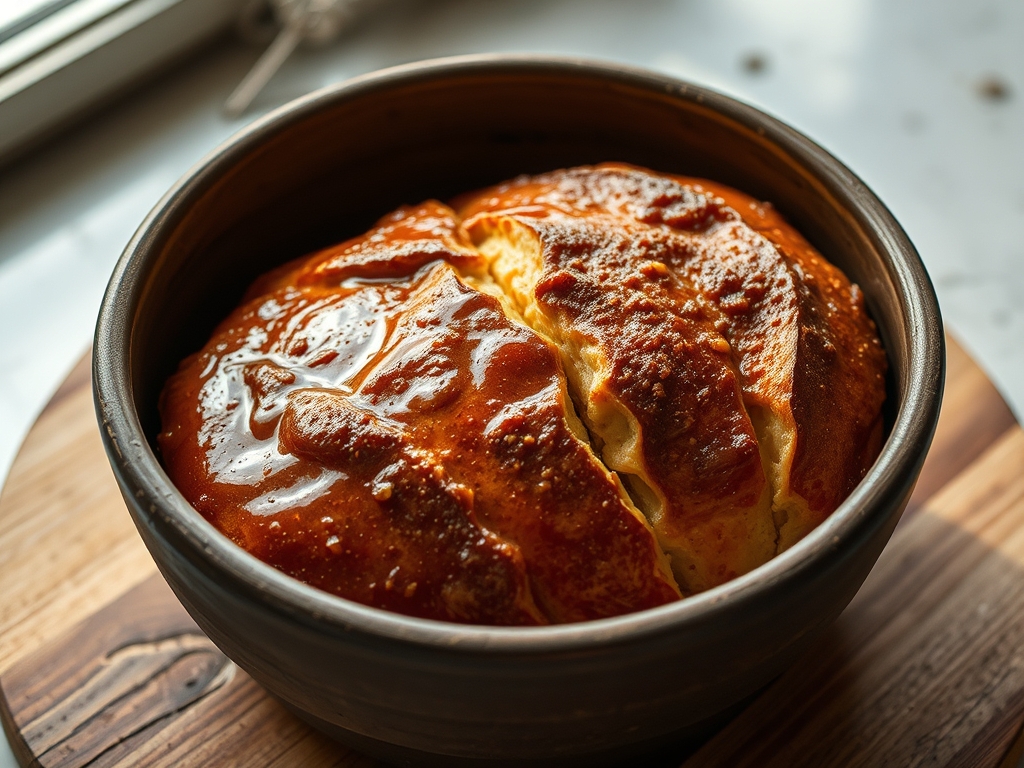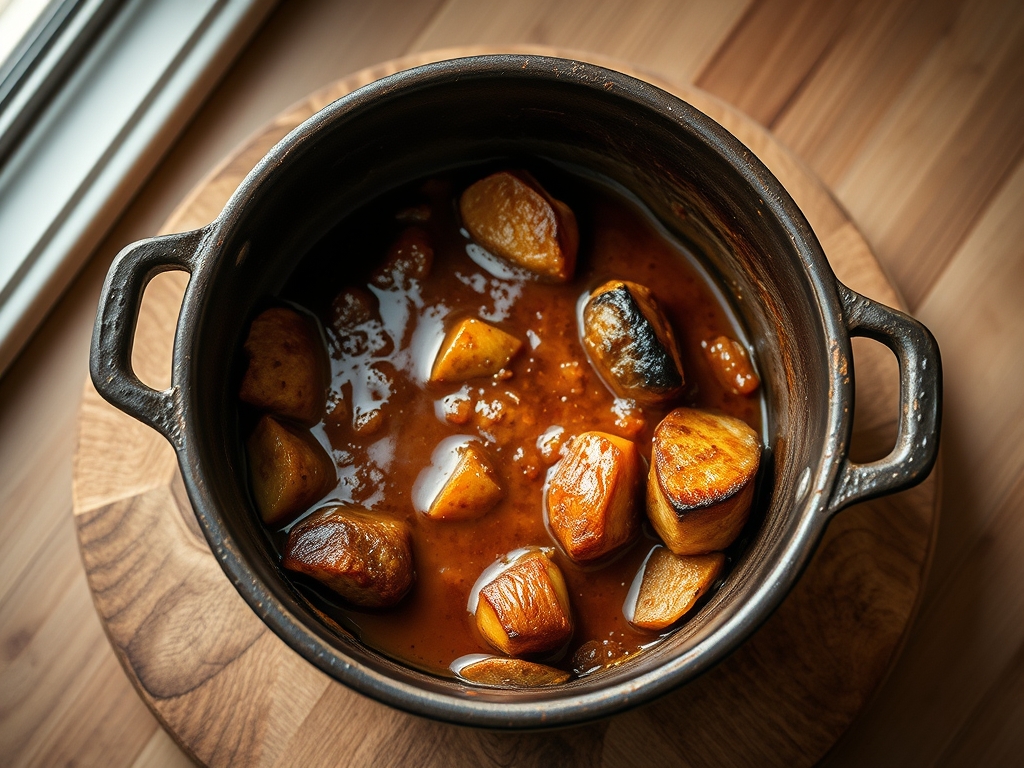
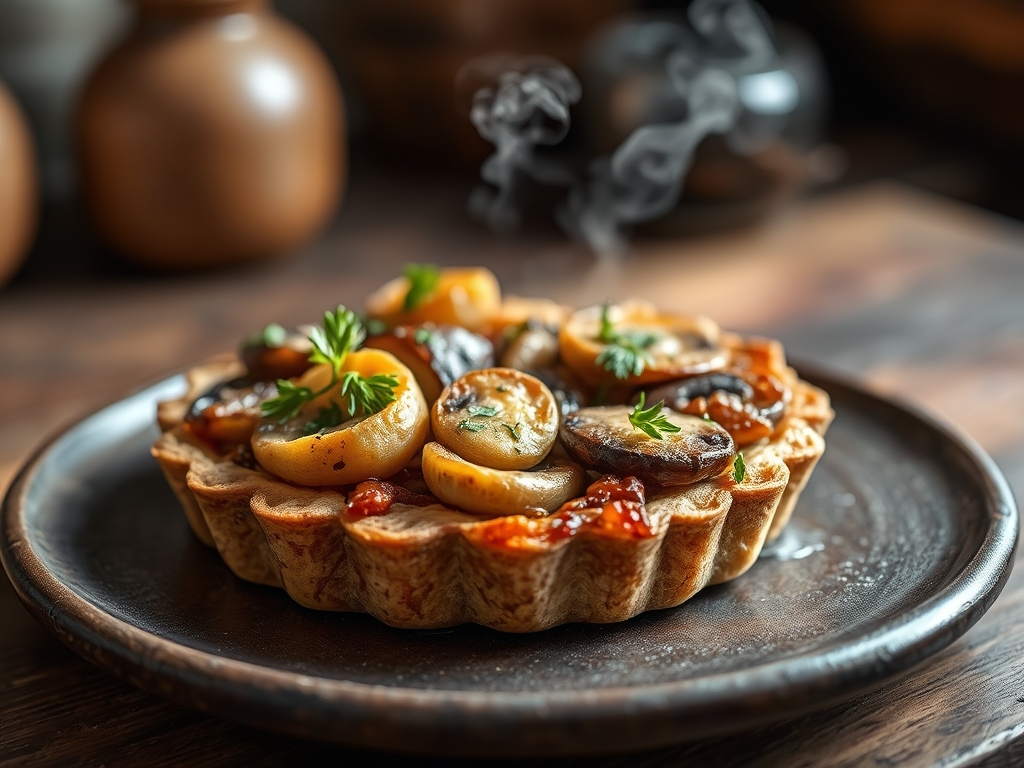
Listen closely because we are about to dismantle the myth that elegance requires a degree in structural engineering. We are diving headfirst into the Fungal Umami Interaction; a masterclass in the architecture of the Rustic Mushroom Tart. This is not just a meal; it is a high-velocity collision between cold fat and high-heat caramelization. We are looking for a crust that shatters like glass upon contact while maintaining a structural integrity that can support a dense, earthy payload of forest floor gold. The scent alone is a tactical assault on the senses. Imagine the smell of butter browning in real-time, colliding with the deep, musky exhale of wild fungi as they surrender their moisture to the pan. This tart represents the pinnacle of rustic efficiency. It is rugged, unrefined, and mathematically designed to deliver maximum savory impact per square inch. Forget delicate fluting and precision crimping. We are here for the jagged edges, the blistered surfaces, and the deep, dark mahogany tones that signal a successful Maillard reaction. Let us begin the audit.
THE DATA MATRIX
| Metric | Specification |
|---|---|
| Prep Time | 45 Minutes |
| Execution Time | 35 Minutes |
| Yield | 6 Servings |
| Complexity (1-10) | 4 |
| Estimated Cost per Serving | $3.75 |
THE GATHERS
Ingredient Protocol:
For the Infrastructure (Crust):
- 315g / 2.5 cups All-Purpose Flour (unbleached)
- 225g / 1 cup Unsalted Butter (chilled to 4 degrees Celsius)
- 5g / 1 tsp Fine Sea Salt
- 120ml / 0.5 cup Ice Water (filtered)
- 15ml / 1 tbsp Apple Cider Vinegar
For the Fungal Payload (Filling):
- 680g / 1.5 lbs Mixed Mushrooms (Cremini, Shiitake, Oyster)
- 45ml / 3 tbsp Extra Virgin Olive Oil
- 30g / 2 tbsp Unsalted Butter
- 3 Large Shallots (thinly sliced)
- 4 Cloves Garlic (minced)
- 10g / 2 tbsp Fresh Thyme Leaves
- 150g / 1.5 cups Gruyere Cheese (shredded)
- 1 Large Egg (for wash)
- To taste: Flaky Sea Salt and Cracked Black Pepper
Section A: Ingredient Quality Audit:
If your mushrooms feel slimy or smell of ammonia, they are past the point of no return; compost them immediately. For mushrooms that are merely slightly limp, a quick dry-sauté in a hot pan without fat will render out excess moisture and concentrate their flavor. If your butter has absorbed the odors of the refrigerator, your crust will taste like yesterday's leftovers. Always use high-fat European-style butter for better lamination. If your flour is clumpy, it has likely absorbed atmospheric moisture. Sift it vigorously to aerate the particles before measuring by weight.
THE MASTERCLASS
Step-by-Step Execution:
1. The Cold Chain Protocol
Begin by cutting your chilled butter into small cubes. Place them back in the freezer for ten minutes. Use a digital scale to measure your flour and salt into a large mixing bowl. Incorporate the butter using a bench scraper or pastry cutter until the pieces are the size of peas. Slowly drizzle in the ice water and vinegar, tossing with a fork until a shaggy dough forms.
Pro Tip: The vinegar acts as a biological insurance policy. It inhibits gluten development, ensuring the crust remains tender rather than bread-like. Using a bench scraper prevents the heat from your hands from melting the butter, which is essential for steam-driven leavening.
2. The Lamination Phase
Turn the dough onto a floured surface. Gently fold it over itself three or four times to create layers of fat and flour. Shape into a disk, wrap in plastic, and refrigerate for at least one hour. This allows the starch granules to fully hydrate and the gluten to relax.
Pro Tip: This manual folding technique is a simplified version of puff pastry lamination. When the cold butter hits the hot oven, it evaporates, creating steam pockets that lift the dough into flaky sheets.
3. Fungal Reduction and Caramelization
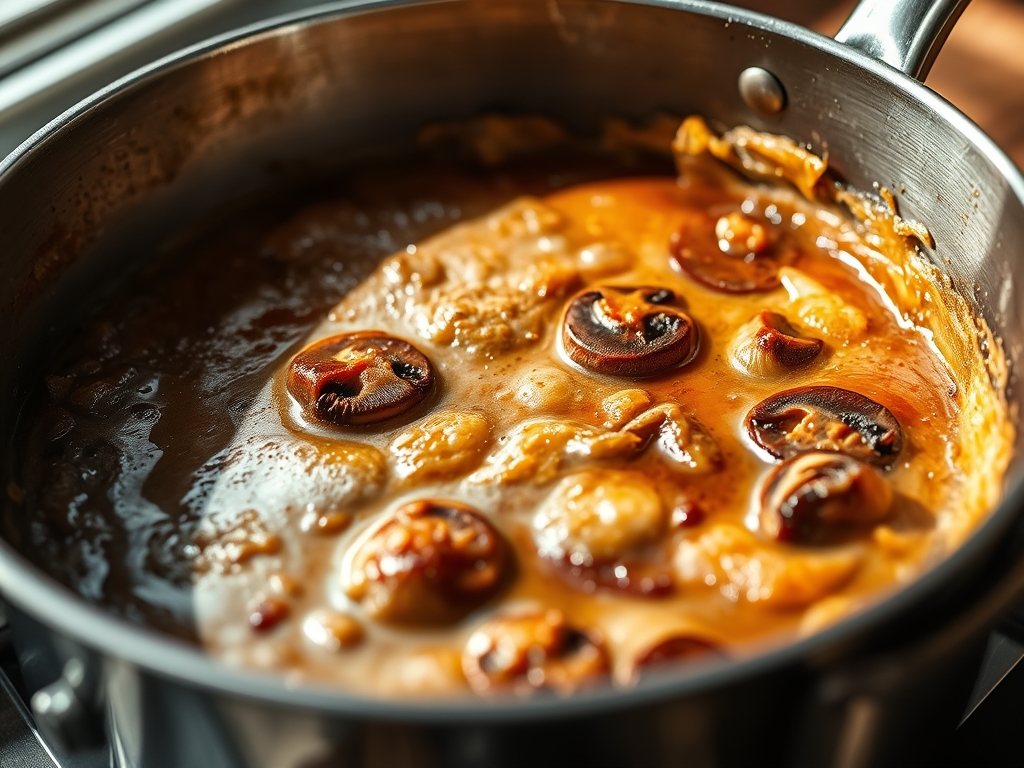
While the dough rests, slice your mushrooms. Heat a large saucier or cast-iron skillet over medium-high heat. Add the olive oil and mushrooms. Do not crowd the pan; work in batches if necessary. Sauté until the mushrooms release their liquid and begin to brown. Add the butter, shallots, garlic, and thyme. Deglaze the pan with a splash of dry white wine if the fond becomes too dark.
Pro Tip: Mushrooms are porous sponges. If you salt them too early, they will boil in their own juices rather than sear. Wait until they have achieved a golden-brown hue before adding salt to maximize the viscous savory output.
4. Structural Assembly
Preheat your oven to 200 degrees Celsius (400 degrees Fahrenheit). Roll the dough out on parchment paper to a 12-inch circle. Spread the shredded Gruyere over the center, leaving a 2-inch border. Pile the cooled mushroom mixture over the cheese. Gently fold the edges of the dough over the filling, pleating as you go.
Pro Tip: Use a heavy-duty rolling pin to ensure even thickness. An uneven crust will result in "hot spots" where the dough remains raw while the edges burn.
5. The Final Thermal Assault
Brush the exposed crust with a beaten egg wash and sprinkle with flaky sea salt. Slide the parchment onto a preheated baking sheet or pizza stone. Bake for 30 to 35 minutes until the crust is a deep golden brown and the cheese is bubbling.
Pro Tip: A preheated baking sheet provides an immediate thermal shock to the bottom of the tart. This prevents the "soggy bottom" syndrome by searing the base of the crust instantly.
Section B: Prep & Timing Fault-Lines:
The biggest failure in tart construction is thermal impatience. If you add hot mushrooms directly to cold dough, the butter will melt instantly, destroying your flaky layers and resulting in a greasy, leaden mess. Always allow your filling to reach room temperature before assembly. Furthermore, if your oven is not fully preheated, the fat will leak out of the pastry before the starch can set, leading to a collapsed structure.
THE VISUAL SPECTRUM
Section C: Thermal & Visual Troubleshooting:
Referencing the Masterclass photo, you are looking for a specific "shatter-crisp" texture. If your tart looks pale and anemic, increase the oven temperature by 10 degrees or move it to a lower rack to catch more radiant heat. If the edges are browning too fast while the center remains soft, tent the edges with foil. A piquant visual cue is the color of the shallots; they should be translucent and caramelized, not charred. If the mushrooms look dry, brush them with a small amount of melted butter or olive oil immediately after removing the tart from the oven to restore their luster.
THE DEEP DIVE
Macro Nutrition Profile:
A single serving provides approximately 420 calories, 32g of fat, 28g of carbohydrates, and 12g of protein. The mushrooms provide a significant dose of Vitamin D and B-vitamins, while the Gruyere contributes calcium and high-quality lipids.
Dietary Swaps:
- Vegan: Substitute the butter with a high-quality plant-based block and use a "flax egg" or soy milk for the crust wash. Replace Gruyere with a cashew-based savory spread.
- Keto: This is difficult for the crust, but a crustless version baked in a gratin dish works perfectly.
- GF: Use a 1:1 gluten-free flour blend that contains xanthan gum to provide the necessary elasticity.
Meal Prep & Reheating Science:
To maintain the molecular structure, never reheat this tart in a microwave. The electromagnetic waves will turn the crust into rubber. Instead, use a toaster oven at 175 degrees Celsius for 8 minutes. This re-crisps the fat layers without overcooking the fungal filling.
THE KITCHEN TABLE
Why is my crust tough instead of flaky?
You likely over-worked the dough or used too much water. Excessive handling develops gluten. Keep the butter cold and the contact time minimal to ensure the fat stays in distinct pockets rather than blending into the flour.
Can I use dried mushrooms for this tart?
Yes, but they must be fully reconstituted in warm water first. Use the soaking liquid (strained) to infuse a sauce or soup later. Mix reconstituted dried porcini with fresh cremini for a massive umami boost.
What is the best way to store leftovers?
Wrap the tart tightly in foil and refrigerate for up to three days. For long-term storage, freeze the unbaked tart. Bake directly from frozen, adding ten minutes to the total execution time to ensure the center is heated through.
My filling is too watery; how do I fix it?
Ensure you sauté the mushrooms until they are dry in the pan. If the mixture still seems loose, toss the mushrooms with a teaspoon of cornstarch or flour before placing them on the dough to bind the juices.