Listen to the sound of the structural collapse. That precise, high-frequency snap of a laminated crust yielding to dental pressure is the only metric that matters in the world of Hand Formed Empanadas. We are not merely making snacks; we are engineering portable, edible vaults designed to withstand the internal steam pressure of a piquant, beef-heavy filling while maintaining a flaky, golden exterior. The air in the kitchen should be thick with the scent of rendering fat and toasted flour. This is a high-stakes audit of your culinary infrastructure. If your dough is flaccid or your closure is leaking, you have failed the integrity test. Hand Formed Empanadas require more than just a recipe; they demand a mastery of thermal dynamics and gluten manipulation. We are looking for that perfect, blistered surface that speaks of a high-heat encounter, paired with a filling so viscous and rich that it threatens to ruin your shirt with every bite. Strap in, sharpen your knives, and prepare to calibrate your technique to professional standards.
THE DATA MATRIX
| Metric | Specification |
|---|---|
| Prep Time | 45 Minutes (Active) |
| Execution Time | 25 Minutes (Baking/Frying) |
| Yield | 12 to 14 Units |
| Complexity | 7/10 (Precision Folding Required) |
| Estimated Cost per Serving | $1.45 USD |
THE GATHERS
Ingredient Protocol:
The Structural Shell (Dough):
- 500g / 4 cups All-Purpose Flour (High protein content preferred)
- 115g / 0.5 cups Unsalted Butter (Chilled and cubed)
- 1 Large Egg (Room temperature)
- 120ml / 0.5 cups Cold Water
- 5g / 1 tsp Fine Sea Salt
The Internal Payload (Filling):
- 500g / 1.1 lbs Ground Beef (80/20 lean-to-fat ratio)
- 2 Large White Onions (Finely diced)
- 15ml / 1 tbsp Extra Virgin Olive Oil
- 10g / 2 tsp Smoked Paprika
- 5g / 1 tsp Ground Cumin
- 2g / 0.5 tsp Crushed Red Pepper Flakes
- 100g / 0.6 cups Green Olives (Pitted and sliced)
- 2 Hard-boiled Eggs (Chopped)
Section A: Ingredient Quality Audit:
If your flour feels damp or clumps easily in the bag, it has absorbed ambient moisture; this will ruin your hydration ratios. Sift it vigorously to aerate the particles before weighing. Using low-fat beef is a common catastrophic error. Without enough fat to render during the cook, the filling will be dry and chalky rather than succulent. If you find yourself with lean meat, compensate by adding 30ml of beef bone broth to the mix to ensure a viscous mouthfeel. Finally, never use pre-ground pepper. The volatile oils dissipate within minutes of grinding; use a ceramic burr mill to infuse the filling with actual heat rather than just dust.
THE MASTERCLASS
Step-by-Step Execution:
1. Fat Integration and Hydration
Combine the flour and salt in a large bowl. Use a bench scraper or a pastry cutter to work the chilled butter into the flour until the mixture resembles coarse sand with a few pea-sized lumps. Whisk the egg into the cold water and incorporate it slowly.
Pro Tip: This is a study in lipid distribution. By leaving small pockets of solid fat, you create steam vents during the bake, which is the secret to a flaky, laminated texture. Use a digital scale for the water to avoid over-hydrating the dough.
2. The Filling Reduction
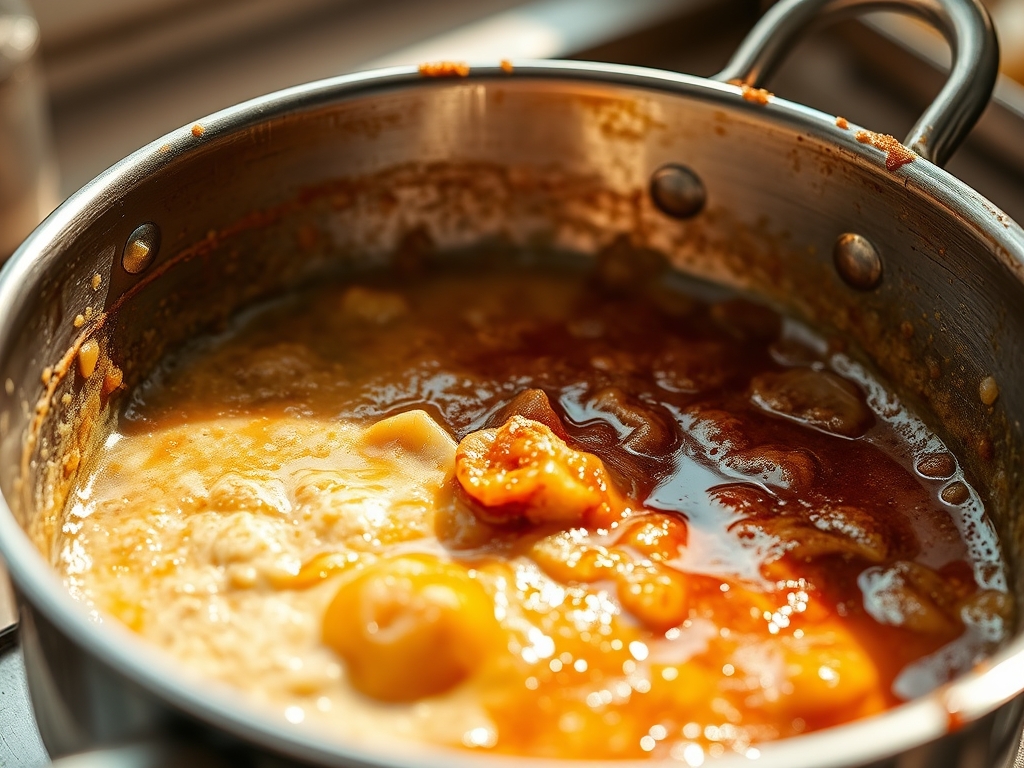
Heat the olive oil in a heavy-bottomed saucier over medium heat. Sauté the onions until translucent. Add the beef, breaking it apart with a wooden spoon. Once browned, add the paprika, cumin, and red pepper flakes. Deglaze the pan with a splash of water or stock to scrape up the fond.
Pro Tip: The onions should outnumber the meat in volume before cooking. As they render, they provide the essential moisture that prevents the empanada from becoming a "dry pocket."
3. Thermal Stabilization
Spread the filling on a flat sheet tray and refrigerate until it reaches at least 4 degrees Celsius (40 degrees Fahrenheit). Do not attempt to fold with warm filling.
Pro Tip: Placing hot filling on raw dough triggers an immediate breakdown of the fat structure in the pastry, leading to a "soggy bottom." Professional kitchens use blast chillers; you can use a wide surface area to speed up heat dissipation.
4. Precision Geometry and Folding
Roll the dough to a 3mm thickness. Cut circles using a 12cm ring mold. Place 2 tablespoons of chilled filling in the center. Fold the dough over and press the edges firmly. Use the "repulge" technique (a series of overlapping folds) to seal.
Pro Tip: If the seal fails, the steam escapes and the pastry collapses. Use a digital scale to ensure every portion of filling is identical, ensuring a uniform bake time across the entire batch.
5. The Maillard Activation
Brush the exterior of each empanada with an egg wash (one egg beaten with a teaspoon of water). Bake at 200 degrees Celsius (400 degrees Fahrenheit) for 20 to 25 minutes until the crust is a deep, burnished mahogany.
Pro Tip: The egg wash provides the protein and sugar necessary for the Maillard reaction, creating that distinctive savory crust flavor and a high-gloss visual finish.
Section B: Prep & Timing Fault-Lines:
The most frequent human error is "The Rush." If you do not allow the dough to rest for at least 30 minutes after mixing, the gluten network will be too elastic. This causes the dough to shrink back when rolled, resulting in a thick, chewy crust rather than a delicate one. Another timing fault occurs during the frying or baking phase. If the oven is not fully preheated to the calibrated temperature, the fat will melt out of the dough before the structure sets, leaving you with a greasy puddle. Use an independent oven thermometer to verify your appliance's internal state.
THE VISUAL SPECTRUM
Section C: Thermal & Visual Troubleshooting:
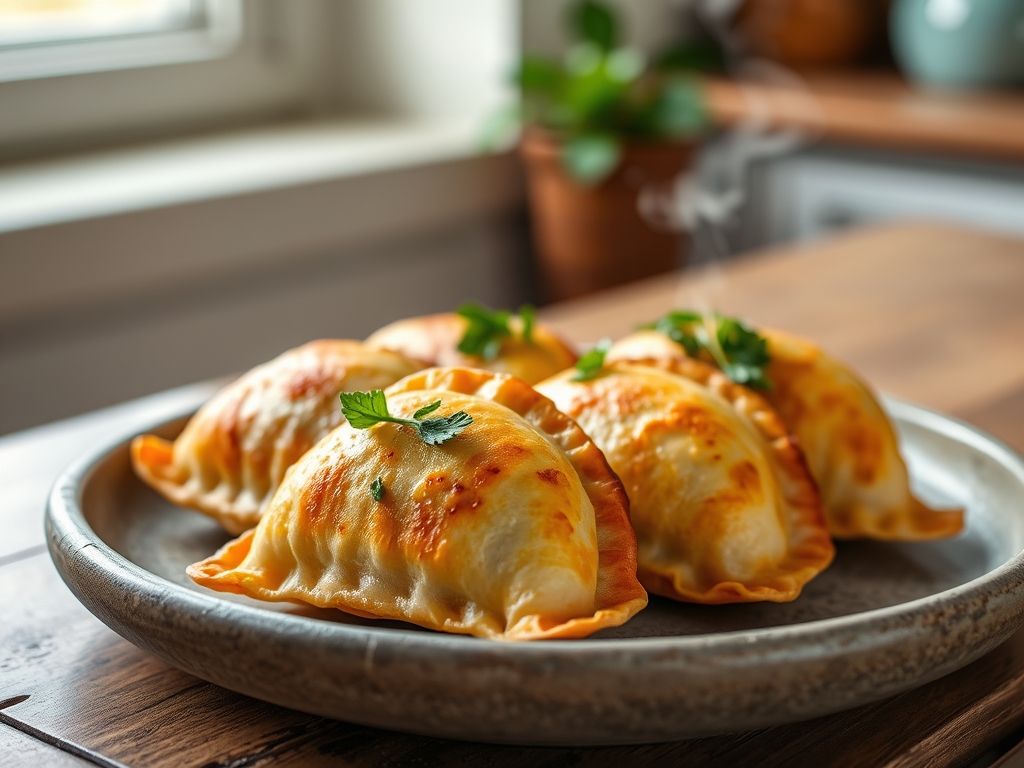
Look closely at the reference image. Note the "blistering" on the surface; these tiny bubbles indicate that the dough was cold and the oven was hot. If your Hand Formed Empanadas look smooth and matte, your oven temperature was too low or you skipped the egg wash. If the edges are dark but the center is pale, your tray was positioned too close to the heating element. A perfect specimen should show a gradient of gold to deep amber, particularly along the braided "repulge" edge. If you see "leaking" (dark stains on the crust), your seal was compromised or your filling was too watery. Ensure the filling is thick and viscous before the folding process begins.
THE DEEP DIVE
Macro Nutrition Profile:
A single 100g empanada typically contains 280 calories, 14g of fat, 26g of carbohydrates, and 12g of protein. The high fat content is essential for the structural integrity of the crust, while the protein is concentrated in the beef and egg payload.
Dietary Swaps:
- Vegan: Substitute the butter with chilled coconut oil (solid state) and use a "flax egg" for the dough binder. Replace beef with a mixture of lentils and finely chopped mushrooms to maintain the umami profile.
- Keto: Utilize an almond flour and mozzarella-based "fathead" dough. Ensure the filling contains no added sugars or starches.
- Gluten-Free: Use a high-quality 1-to-1 GF flour blend with added xanthan gum to provide the necessary elasticity for the fold.
Meal Prep & Reheating Science:
To maintain the molecular structure during storage, freeze the empanadas on a parchment-lined tray before bagging. This prevents them from sticking together. When reheating, avoid the microwave at all costs. The microwave agitates water molecules, turning the crust into a rubbery mess. Instead, use an air fryer or toaster oven at 175 degrees Celsius to recrystallize the fats and restore the "snap" to the crust.
THE KITCHEN TABLE
Why does my dough keep shrinking when I roll it?
Your gluten is over-worked and under-rested. Let the dough sit at room temperature for 30 minutes. This allows the protein strands to relax, ensuring the dough stays in the shape you dictate with your rolling pin.
Can I use store-bought puff pastry for this?
You can, but you sacrifice structural integrity. Puff pastry is designed to rise vertically, which can cause the "repulge" to unfurl and the filling to escape. Hand-made dough is far more reliable for the "pocket" format.
My filling is too runny; how do I fix it?
Simmer the filling for an extra ten minutes without a lid to evaporate excess moisture. You want a viscous consistency where the juices coat the meat rather than pooling at the bottom of the pan.
What is the best way to get a glossy finish?
The secret is a heavy egg wash. Use only the yolk mixed with a tiny splash of heavy cream for an ultra-dark, professional-grade lacquer that shines under kitchen lights.
How do I prevent the bottom from getting soggy?
Always bake on a preheated pizza stone or a heavy-duty baking sheet. The immediate transfer of heat to the bottom of the empanada sets the crust before the filling's moisture can penetrate the dough.