Forget the preciousness of a fluted tart pan or the architectural rigidity of a pie tin. We are here to discuss the raw, structural integrity of the stone fruit season. When the heat of July hits the pavement, your kitchen transforms into a laboratory of thermal dynamics and fruit pectin. We are conducting a Peach Galette Audit to determine if your crust is a load-bearing masterpiece or a soggy structural failure. This is not just a dessert; it is an exercise in moisture management and Maillard reaction optimization. We want peaches that have surrendered their juices into a viscous, honey-like nectar while the pastry remains shatteringly crisp. If your crust lacks the structural fortitude to hold back a wave of bubbling fructose, you have failed the audit. We are looking for the sweet spot where the rustic aesthetic meets high-end culinary engineering. Prepare to examine every gram of butter and every millimeter of fruit thickness. It is time to upgrade your rustic baking from accidental to intentional.
THE DATA MATRIX
| Metric | Specification |
|---|---|
| Prep Time | 45 Minutes (Excluding Chilling) |
| Execution Time | 50 Minutes |
| Yield | 8 Servings |
| Complexity (1-10) | 4 |
| Estimated Cost per Serving | $1.75 |
THE GATHERS
Ingredient Protocol:
For the Pastry Infrastructure:
- 315g / 2.5 cups All-Purpose Flour (unbleached)
- 225g / 1 cup Unsalted Butter (frozen and cubed)
- 15g / 1 tbsp Granulated Sugar
- 6g / 1 tsp Fine Sea Salt
- 120ml / 0.5 cup Ice Water (plus 15ml for adjustment)
For the Fruit Payload:
- 900g / 2 lbs Fresh Peaches (pitted and sliced)
- 100g / 0.5 cup Granulated Sugar
- 15g / 1 tbsp Cornstarch (for moisture sequestration)
- 5ml / 1 tsp Vanilla Extract
- 2g / 0.5 tsp Ground Cinnamon
- 1 Large Egg (for the protein-based wash)
- 30g / 2 tbsp Demerara Sugar (for the crystalline lid)
Section A: Ingredient Quality Audit:
The primary failure point in a Peach Galette Audit is the fruit ripeness. If your peaches are rock-hard, they will not render their sugars properly, resulting in a fibrous and tart filling. Fix: Macerate under-ripe fruit in sugar and a splash of bourbon for 30 minutes to soften the cell walls. Conversely, if peaches are over-ripe and mushy, they will release too much liquid, compromising the pastry base. Fix: Increase your cornstarch by 5 grams to handle the excess moisture. Regarding the fats, ensure your butter is strictly "European style" with at least 82 percent butterfat. Low-quality butter contains too much water, which creates steam rather than the distinct, flaky layers required for a high-performance crust.
THE MASTERCLASS
1. The Cold Chain Integration
Begin by combining your dry ingredients in a chilled stainless steel bowl. Using a bench scraper, cut the frozen butter into the flour until the pieces are the size of small peas. Rapidly incorporate the ice water, tossing with a fork until a shaggy mass forms. Do not overwork the dough; we are seeking distinct pockets of fat that will aerate during the bake.
Pro Tip: Use a digital scale for the water. Volume measurements are notoriously inaccurate. Keeping the dough below 60 degrees Fahrenheit ensures the butter remains solid, which is the secret to the molecular expansion of the crust.
2. The Lamination Phase
Turn the dough onto a floured surface and use your bench scraper to fold it over itself three times. This creates "faux-lamination," stacking layers of fat and flour. Wrap the disc tightly in plastic and refrigerate for at least 60 minutes. This resting period allows the gluten to relax and the moisture to distribute evenly throughout the starch molecules.
Pro Tip: If the dough feels elastic or "snaps back" when you touch it, the gluten is over-activated. Give it an extra 30 minutes of chill time to prevent shrinkage during the thermal transition in the oven.
3. The Fruit Maceration
While the dough rests, slice your peaches into 1/2-inch wedges. In a large glass bowl, toss them with sugar, cinnamon, vanilla, and cornstarch. Let this mixture sit so the sugar can draw out the juices, creating a viscous syrup that will thicken beautifully under high heat.
Pro Tip: Use a saucier to pre-cook the juices if your peaches are exceptionally watery. Reducing the liquid by half on the stovetop before adding it back to the fruit prevents the dreaded "soggy bottom" syndrome.
4. The Structural Assembly
Preheat your oven to 400 degrees Fahrenheit. Roll the dough into a 12-inch circle on a piece of parchment paper. Arrange the peach slices in a concentric pattern, leaving a 2-inch border. Fold the edges of the dough over the fruit, pleating as you go to create a rustic, circular retaining wall.
Pro Tip: Use an offset spatula to move the fruit. This prevents you from transferring excess liquid from the bottom of the bowl directly onto the raw dough, which would compromise the structural integrity of the base.
5. The Crystalline Finish
Brush the pleated dough with a beaten egg wash. This provides the protein necessary for a deep golden-brown Maillard reaction. Generously sprinkle the Demerara sugar over the crust and the fruit. This creates the "Sugar Crystallized Lid" that defines the texture of a professional-grade bake. Bake for 45 to 50 minutes.
Pro Tip: Rotate the baking sheet 180 degrees halfway through the process. Most domestic ovens have "hot spots" that cause uneven browning; manual rotation ensures a symmetrical thermal profile.
Section B: Prep & Timing Fault-Lines:
The most common human error is rushing the cooling process. A galette pulled straight from the oven is a molten slurry of fruit pectin. If you cut into it immediately, the juices will flood the board, leaving the slices dry and the crust limp. You must allow the galette to rest for at least 20 minutes on a wire cooling rack. This allows the starches to "set" and the sugars to infuse back into the fruit fibers. If the crust is browning too quickly before the fruit is bubbling, tent the edges with foil to deflect direct radiant heat.
THE VISUAL SPECTRUM
Section C: Thermal & Visual Troubleshooting:
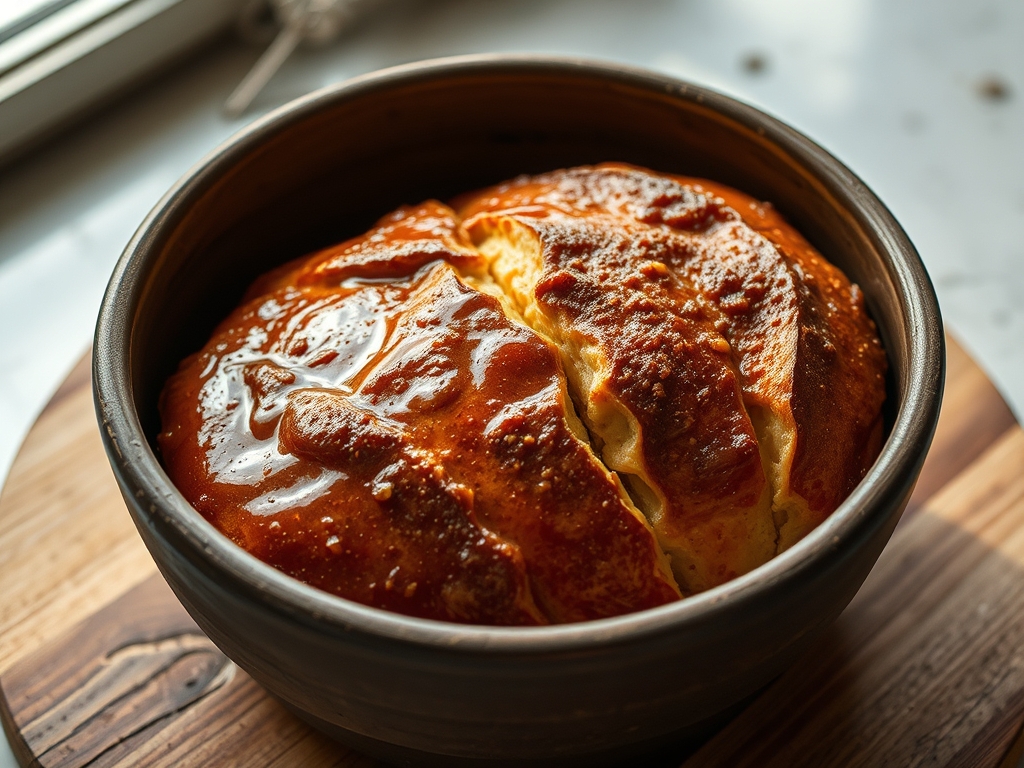
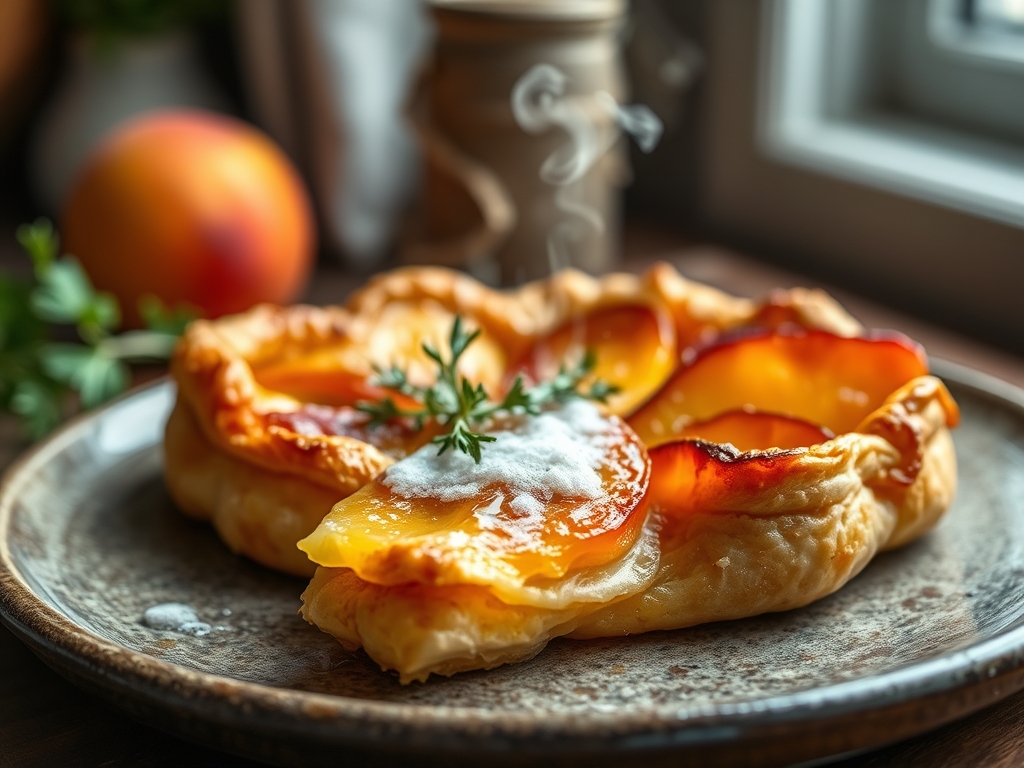
Referencing the Masterclass photo, your galette should exhibit a high-contrast color palette. The crust must be a deep mahogany, not a pale tan. If your crust looks "dusty" or matte, you likely skipped the egg wash or used too much bench flour. The fruit should appear glossy and slightly slumped, with the edges of the peaches showing signs of caramelization. If the fruit looks dry, brush it with a little warmed apricot jam immediately after baking to restore that viscous sheen. If you see liquid pooling on the parchment paper, your pleats were not tight enough, or your cornstarch ratio was insufficient for the fruit's water content.
THE DEEP DIVE
Macro Nutrition Profile:
A single serving (1/8th of the galette) contains approximately 340 calories. This includes 18g of fat, 42g of carbohydrates, and 4g of protein. The high fat content is essential for the short-crust texture, while the peaches provide a significant dose of Vitamin A and Potassium.
Dietary Swaps:
- Vegan: Substitute the butter with a high-quality plant-based shortening or frozen coconut oil. Use an apricot glaze instead of an egg wash.
- Keto: This is a high-carb bake, but you can utilize almond flour and xanthan gum for the crust and erythritol for the sweetener. Note that the texture will be more crumbly than flaky.
- GF: Use a 1-to-1 gluten-free flour blend that contains rice flour and potato starch to mimic the protein structure of wheat.
Meal Prep & Reheating Science:
To maintain the molecular structure of the crust, never reheat a galette in the microwave. The microwave agitates water molecules, turning the crust into a rubbery mess. Instead, use a toaster oven at 350 degrees Fahrenheit for 8 minutes. This re-crisps the fats and re-caramelizes the sugar lid.
THE KITCHEN TABLE
Why is my galette crust tough instead of flaky?
You likely over-mixed the dough or used warm water. When the butter melts before it hits the oven, it integrates into the flour rather than creating layers. Keep everything ice-cold to ensure a shatteringly crisp result.
Can I use frozen peaches for this audit?
Yes, but you must thaw and drain them thoroughly first. Frozen fruit releases significantly more moisture than fresh. Increase the cornstarch by 50 percent to compensate for the cellular breakdown caused by the freezing process.
My fruit filling is too tart. How do I fix it?
Balance the acidity with a pinch of salt or a drizzle of honey after baking. A piquant flavor profile often stems from under-ripe fruit; the salt will suppress the bitterness and enhance the perception of sweetness.
How do I prevent the bottom from getting soggy?
Bake the galette on the lowest rack of the oven, or use a preheated pizza stone. The direct conductive heat from the stone will sear the bottom crust instantly, creating a moisture-proof barrier before the fruit juices can soak in.