Listen to the roar of the coals. If you are standing over a cast iron vessel in the wild, you are not just cooking; you are managing a thermodynamic event. The Dutch Oven Cobbler is the ultimate litmus test for any culinary engineer. It requires more than just a recipe. It demands an understanding of radiant heat distribution and the structural integrity of a hard set lid. Imagine the scent of macerated stone fruit colliding with the buttery, pressurized atmosphere of a sealed iron chamber. The sugar begins to caramelize, the crumb begins to aerate, and the fruit juices transform into a viscous nectar that bubbles against the seasoned walls of the pot. This is high-stakes baking. One wrong move with your charcoal placement and you have a charred carbon base; one lapse in thermal monitoring and you have a soggy, pallid lid. We are here to ensure that your infrastructure holds. We are building a dessert that is structurally sound, thermally optimized, and chemically superior to any kitchen-bound equivalent.
THE DATA MATRIX
| Metric | Specification |
|---|---|
| Prep Time | 20 Minutes |
| Execution Time | 45 to 55 Minutes |
| Yield | 8 to 10 Servings |
| Complexity (1-10) | 6 (Thermal Management Heavy) |
| Estimated Cost per Serving | $1.45 USD |
THE GATHERS
Ingredient Protocol:
- 850g / 6 cups Fresh Peaches or Mixed Berries
- 200g / 1 cup Granulated Sugar (for fruit maceration)
- 15ml / 1 tbsp Lemon Juice
- 5g / 1 tsp Ground Cinnamon
- 250g / 2 cups All-Purpose Flour
- 150g / 3/4 cup Light Brown Sugar (packed)
- 12g / 1 tbsp Baking Powder
- 3g / 0.5 tsp Kosher Salt
- 170g / 0.75 cup Unsalted Butter (chilled and cubed)
- 240ml / 1 cup Whole Milk or Heavy Cream
- 5ml / 1 tsp Vanilla Bean Paste
Section A: Ingredient Quality Audit:
If your fruit is under-ripe and lacks that piquant acidity, do not proceed without intervention. Hard, starchy peaches will refuse to render their sugars, resulting in a fibrous texture. Fix this by macerating the fruit in sugar and lemon juice for at least thirty minutes before it hits the iron. If your butter is too warm, the pastry will lose its structural "lift." The fat must remain in discrete solid particles to create steam pockets. If you find your flour has clumped due to humidity, use a fine-mesh sieve to aerate the dry stack before introducing moisture. This ensures a uniform crumb rather than dense, leaden pockets of unhydrated starch.
THE MASTERCLASS
Step 1: Thermal Initialization and Vessel Seasoning
Preheat your 12-inch Dutch oven by placing it over a bed of 12 glowing coals. While the base warms, use a bench scraper to portion your chilled butter into 1cm cubes. Lightly coat the interior of the vessel with a thin layer of neutral oil or butter to prevent sugar bonding.
Pro Tip: Use an infrared thermometer to verify the floor temperature of the oven. You are looking for a steady 350 degrees Fahrenheit. The cast iron acts as a thermal battery; if you start too cold, the fruit will turn to mush before the crust sets.
Step 2: The Maceration and Base Layering
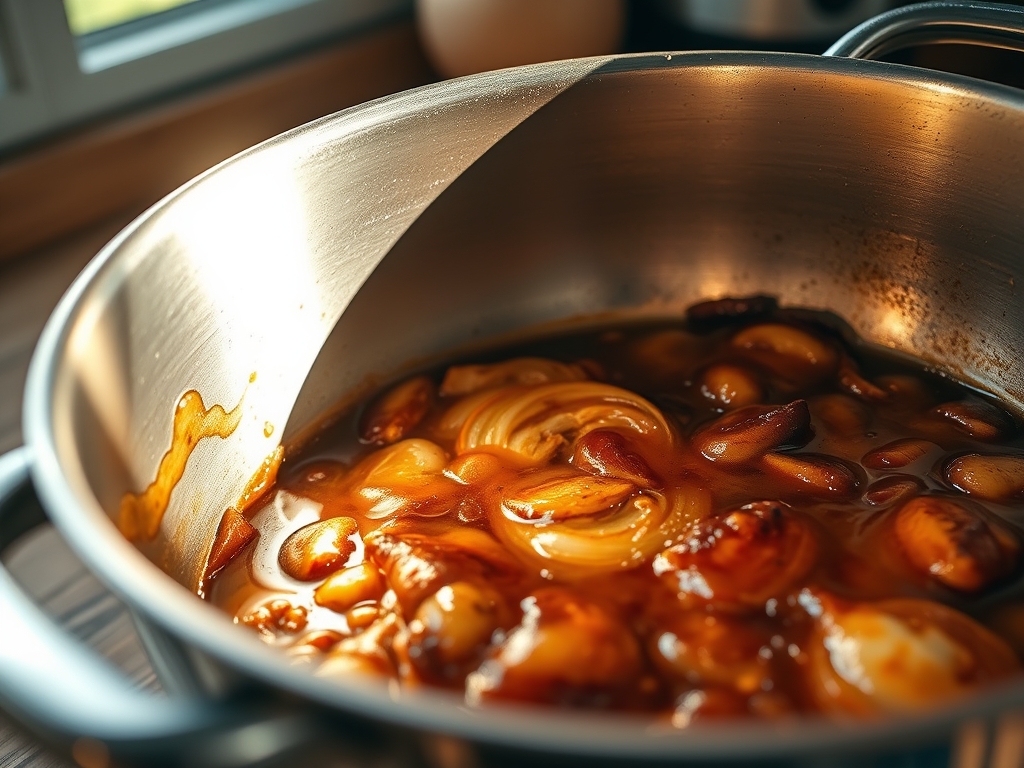
Combine your fruit, granulated sugar, and lemon juice in a stainless steel saucier or mixing bowl. Toss aggressively to ensure total coverage. Once the fruit begins to weep its juices, pour the entire mixture into the preheated Dutch oven.
Pro Tip: The lemon juice isn't just for flavor; the acidity regulates the pectin breakdown in the fruit. This prevents the filling from becoming a watery soup and instead creates a thick, viscous syrup that clings to the cobbler topping.
Step 3: Mechanical Integration of the Crumb
In a separate bowl, combine flour, brown sugar, baking powder, and salt. Use a pastry blender or a digital scale to ensure precise ratios. Incorporate the chilled butter until the mixture resembles coarse sand. Gently fold in the milk and vanilla until a shaggy dough forms.
Pro Tip: Do not overwork the dough. Over-mixing develops gluten, which is the enemy of a tender cobbler. You want a "short" texture where the fat coats the flour proteins, inhibiting long-chain gluten formation.
Step 4: Deployment and Radiant Heat Loading
Drop large spoonfuls of the dough onto the fruit surface. Place the hard set lid onto the Dutch oven. Arrange 15 to 18 coals on the lid in a circular pattern. This 2-to-1 ratio (top-to-bottom heat) is critical for browning the crust without scorching the fruit.
Pro Tip: This is where the "Infrastructure of Hard Set Lids" becomes vital. The flanged lid of a camp-style Dutch oven is designed to hold ash and coals. This creates an omni-directional heat field, effectively turning the pot into a convection oven.
Step 5: The Final Thermal Audit
Rotate the oven 90 degrees every 15 minutes, and rotate the lid 90 degrees in the opposite direction. This mitigates hot spots from uneven coal combustion. After 45 minutes, lift the lid slightly to check for a deep golden-brown hue and bubbling perimeter.
Pro Tip: Use a digital probe thermometer to check the center of the largest dough mound. It should register 200 degrees Fahrenheit. This ensures the starch is fully gelatinized and the interior is not raw.
Section B: Prep & Timing Fault-Lines:
The most common failure in Dutch Oven Cobbler is the "Late Heat Spike." If you add fresh, unlit coals halfway through, you risk a sudden temperature surge that will incinerate the sugars. Always light your backup coals in a chimney starter well in advance. If the fruit is bubbling violently but the top is pale, remove all bottom heat and double the top coals to finish the browning process.
THE VISUAL SPECTRUM
Section C: Thermal & Visual Troubleshooting:
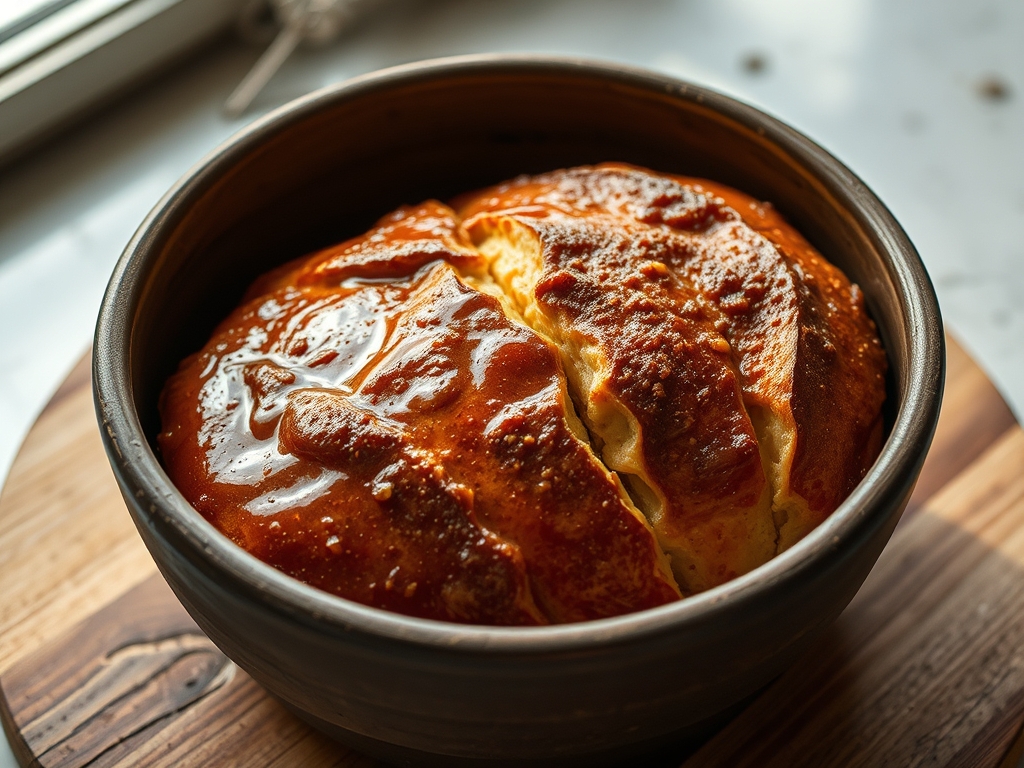
Referencing our Masterclass photo, notice the "Craggy Topography." A perfect cobbler should not be a flat sheet; it should have peaks and valleys. The peaks should show a dark, caramelized "Maillard" tan, while the valleys remain slightly softer. If your cobbler looks like a uniform, dry biscuit, you likely lacked enough moisture in the dough. If the fruit juices have turned a dull, muddy brown rather than a vibrant, translucent red or orange, you have likely overcooked the sugars, causing them to infuse with carbon. The visual cue for success is "The Lava Flow," where the fruit syrup breaches the gaps between the dough mounds, creating a glossy, lacquered finish.
THE DEEP DIVE
Macro Nutrition Profile
A standard serving contains approximately 420 calories, 18g of fat, 62g of carbohydrates, and 4g of protein. While sugar-heavy, the use of fresh fruit provides essential fiber and micronutrients like Vitamin C and Potassium.
Dietary Swaps (Vegan/Keto/GF)
- Vegan: Replace butter with chilled coconut oil and milk with oat milk.
- Keto: Utilize almond flour and an erythritol-based sweetener; replace peaches with lower-carb blackberries.
- GF: A 1-to-1 gluten-free flour blend works exceptionally well here, as the "short" nature of the dough does not rely heavily on gluten structure.
Meal Prep & Reheating Science
To maintain the molecular structure when reheating, avoid the microwave. The waves will turn the crust into a rubbery mess. Instead, use an oven at 325 degrees Fahrenheit. This allows the fat to re-melt and the sugars to re-caramelize, restoring the original textural contrast.
THE KITCHEN TABLE
Why is my cobbler bottom burnt but the top raw?
Your coal ratio is inverted. You have too much bottom heat. Move the oven to a cooler spot and add more coals to the lid to prioritize radiant top-down cooking.
Can I use frozen fruit for this recipe?
Yes, but do not thaw it first. Increase your cornstarch or flour thickening agent by 20 percent to account for the extra moisture released during the thermal transition.
What if I don't have a flanged lid?
You can use a standard flat lid, but you must be extremely careful. Use a metal tray on top of the lid to hold the coals and prevent ash from contaminating the food.
How do I clean the iron after a sugar burn?
Do not use soap. While the pot is still warm, use a chainmail scrubber and hot water. The residual heat will help loosen the carbonized sugars without stripping the seasoning.