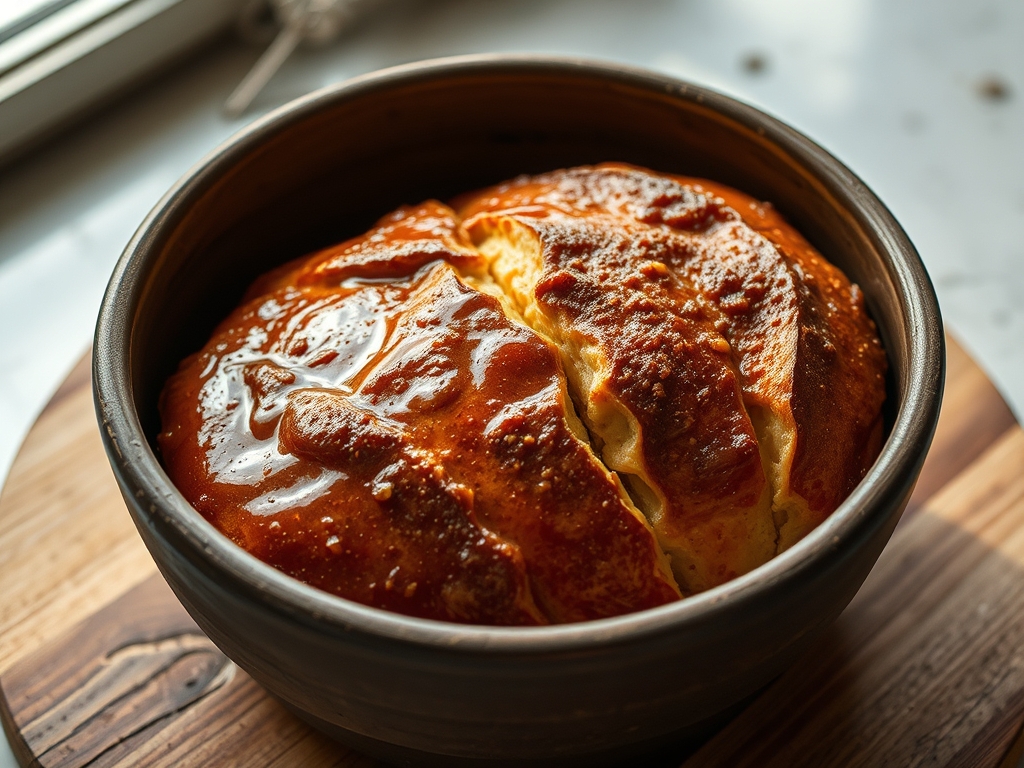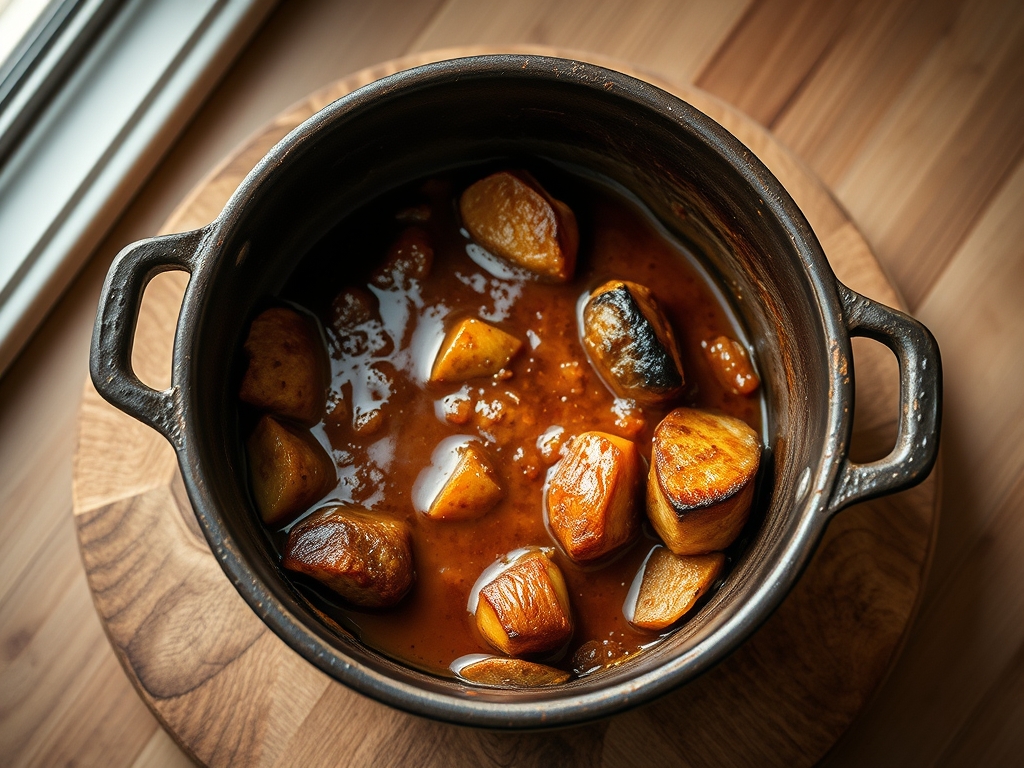
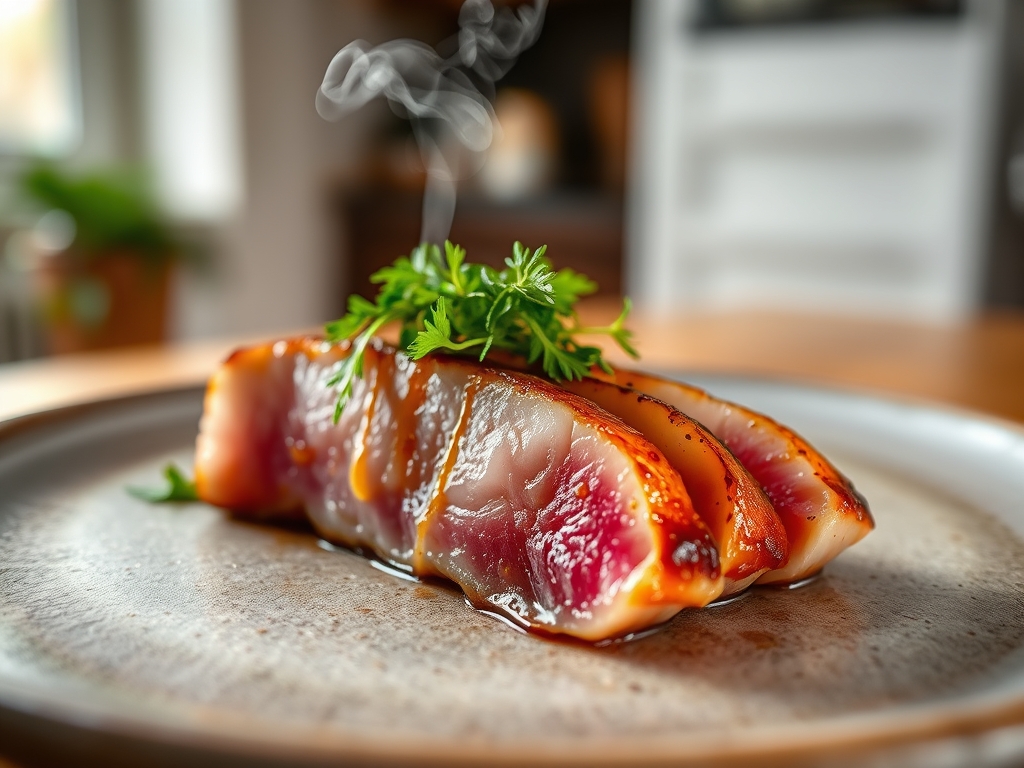
Listen up, kitchen operatives. We are not here to merely cook; we are here to execute a high-velocity thermal exchange that transforms raw muscle into a culinary masterpiece. The subject of today's audit is Seared Ahi Tuna. This is the ultimate test of your ability to manage the delicate balance between extreme heat and structural integrity. We are looking for a ruby-red, sashimi-grade core protected by a thin, millimeter-perfect perimeter of grey, cooked protein, all encased in a high-contrast, crunchy armor of sesame seeds. If you overcook this, you have created cat food. If you under-sear it, you have a soggy mess. We demand a textural symphony where the crunch of the toasted seed meets the buttery, melt-on-the-tongue interior of the fish. This dish is about speed, precision, and the aggressive application of heat. It is a sixty-second window where your focus must be absolute. Check your stations and calibrate your sensors. We are going in hot.
THE DATA MATRIX
| Metric | Specification |
|---|---|
| Prep Time | 15 Minutes |
| Execution Time | 2 Minutes |
| Yield | 2 Servings |
| Complexity | 4 / 10 |
| Estimated Cost per Serving | $18.00 – $25.00 |
THE GATHERS
Ingredient Protocol:
- 500g / 1.1 lbs Sashimi-grade Ahi Tuna (Yellowfin or Bigeye), cut into uniform rectangular blocks.
- 60ml / 4 tbsp Low-sodium Soy Sauce.
- 15ml / 1 tbsp Toasted Sesame Oil.
- 15ml / 1 tbsp Fresh Ginger, finely grated.
- 50g / 0.5 cup Black and White Sesame Seeds (mixed).
- 30ml / 2 tbsp Neutral High-Smoke Point Oil (Avocado or Grapeseed oil).
- 5g / 1 tsp Wasabi Paste (for the piquant finish).
- 10ml / 2 tsp Lime Juice to infuse acidity.
Section A: Ingredient Quality Audit:
The primary failure point in Seared Ahi Tuna is the moisture content of the fish. If your tuna arrives in a vacuum-sealed bag with excess "purge" (the red liquid), the surface will be too wet to form a crust. Technical Fix: Pat the tuna dry with lint-free paper towels until the surface is tacky. If the tuna smells even slightly fishy, it is past its prime. High-quality Ahi should smell like the clean ocean breeze. If your sesame seeds are stale, they will taste bitter when hit with heat. Always toast a small pinch in a dry pan first to verify their aromatic profile. If the seeds do not render a nutty scent within seconds, discard the batch.
THE MASTERCLASS
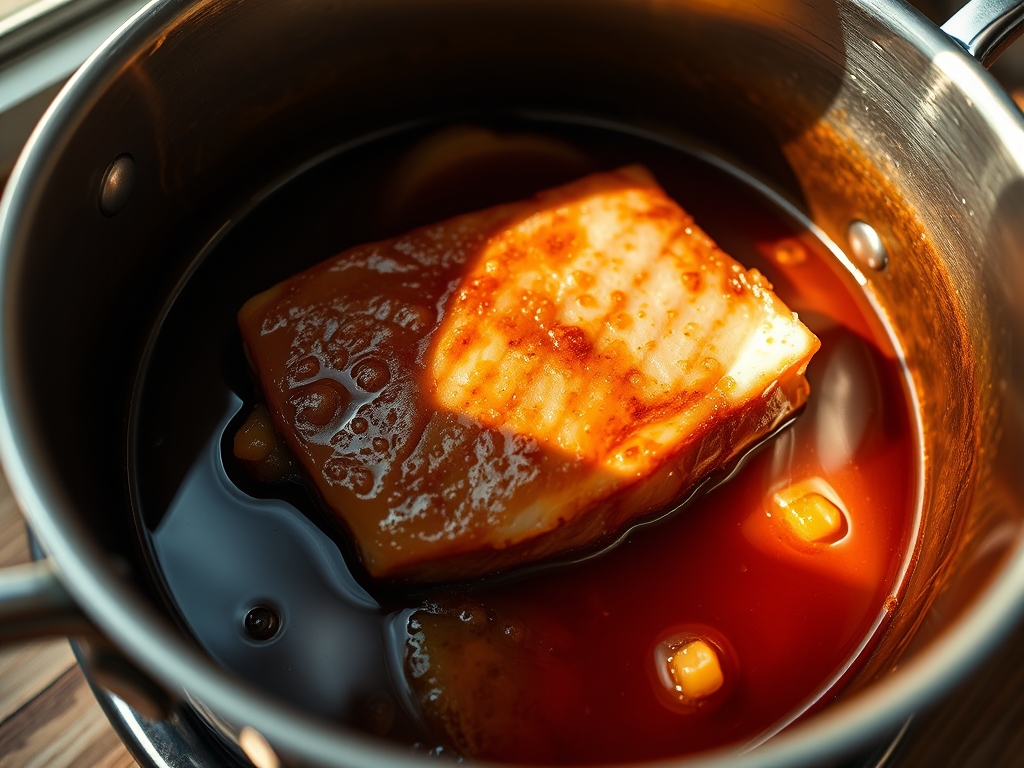
1. The Marinade Calibration
Whisk the soy sauce, sesame oil, ginger, and lime juice in a small saucier or glass bowl. Submerge the tuna blocks for no more than 10 minutes.
Pro Tip: Do not exceed the 10-minute window. The acid in the lime juice and the salt in the soy sauce will begin to denature the proteins, effectively "cooking" the fish via chemical means rather than thermal ones. Use a digital scale to ensure your liquid ratios are exact for consistent flavor profiles.
2. The Seed Armor Application
Spread the mixed sesame seeds on a flat tray or a clean parchment sheet. Remove the tuna from the marinade and press each side firmly into the seeds.
Pro Tip: Use a bench scraper to tidy the edges of the seed coating. You want a dense, even layer that completely obscures the pink flesh. This layer acts as a thermal buffer, protecting the delicate interior from the direct intensity of the pan while providing the essential crunch.
3. Thermal Deployment
Heat your heavy-bottomed cast iron or carbon steel skillet over high heat until the neutral oil begins to shimmer and reaches its smoke point (approximately 230C / 450F).
Pro Tip: Use an infrared thermometer to verify the surface temperature. If the pan is too cold, the seeds will soak up the oil and fall off. You need immediate Maillard reaction triggers to fuse the seeds to the protein surface.
4. The Sixty-Second Sear
Place the tuna in the pan. Sear for exactly 30 to 45 seconds per side. Use tongs to rotate the block, ensuring the narrow edges are also flashed with heat.
Pro Tip: Precision is everything. Use a digital stopwatch. The goal is a "blue" center. As soon as the seeds turn golden brown and fragrant, remove the fish immediately to a room-temperature cutting board to stop the thermal carry-over.
5. The Precision Slice
Let the tuna rest for 2 minutes, then slice into 1cm thick medallions using a very sharp Damascus steel or ceramic knife.
Pro Tip: Do not use a sawing motion. Draw the blade through the fish in one long, smooth stroke to prevent tearing the delicate fibers. A clean cut ensures the "Visual Spectrum" is maintained for professional presentation.
Section B: Prep & Timing Fault-Lines:
The most common human error is "pan crowding." If you drop four large blocks of tuna into a small skillet, the surface temperature will plummet. This causes the fish to steam rather than sear, resulting in a grey, rubbery exterior. Technical Fix: Work in batches or use a larger cooking surface. Another fault-line is the "cold core" issue. If the tuna is straight from a 3C refrigerator, the center might be unpleasantly icy even if the outside is seared. Allow the tuna to sit at room temperature for 15 minutes before the sear to take the chill off.
THE VISUAL SPECTRUM
Section C: Thermal & Visual Troubleshooting:
Look at the Masterclass photo. Notice the sharp contrast between the white/black seeds and the deep magenta of the fish. If your tuna looks "muddy" or brown throughout, you have over-seared. If the seeds are falling off in the pan, your "glue" (the marinade and natural proteins) was too viscous or the pan was not hot enough to cause immediate adhesion. If the edges of the tuna look ragged, your knife was dull. Always check for the "halo" effect; a perfect sear should show a distinct, thin white line of cooked fish just under the seeds, with a vibrant, translucent center.
THE DEEP DIVE
Macro Nutrition Profile:
Per serving (approx 200g):
- Calories: 320 kcal
- Protein: 45g
- Fats: 12g (Primarily Omega-3 and healthy fats from seeds)
- Carbohydrates: 4g
Dietary Swaps:
- Vegan: Replace tuna with extra-firm tofu or "watermelon tuna" (compressed and dehydrated).
- Keto: This recipe is naturally keto-friendly. Ensure the soy sauce is replaced with liquid aminos if strictly avoiding soy.
- Gluten-Free: Use Tamari instead of standard soy sauce to maintain the savory depth without gluten.
Meal Prep & Reheating Science:
Seared Ahi Tuna is best consumed immediately. However, if you must store it, wrap it tightly in plastic wrap to prevent oxidation. Molecular Warning: Do not reheat this in a microwave. The electromagnetic waves will vibrate water molecules throughout the fish, cooking the center and destroying the texture. If you must eat leftovers, serve them cold over a salad or gently aerate them by bringing them to room temperature.
THE KITCHEN TABLE
How do I know if the tuna is truly sashimi-grade?
Purchase from a reputable fishmonger who can verify the fish was flash-frozen at sea to -35C. This process kills parasites while preserving the cellular structure of the meat. If they cannot confirm this, do not serve it rare.
Why use both black and white sesame seeds?
The visual contrast is superior for plating, but there is a functional reason too. Black sesame seeds have a slightly thicker hull and provide a more intense, earthy flavor that complements the piquant notes of the ginger and wasabi.
Can I use olive oil for searing?
Negative. Extra virgin olive oil has a low smoke point and will decompose into acrid, bitter compounds at the temperatures required for a proper sear. Stick to avocado, grapeseed, or refined peanut oil for this high-heat operation.
My crust is soggy. What happened?
You likely skipped the "pat dry" phase or crowded the pan. Excess moisture creates steam, which is the enemy of a crisp crust. Ensure the tuna is dry and the pan is screaming hot before contact.