Listen to the sound of a high-pressure kitchen at peak service. It is not the shouting that defines the atmosphere; it is the rhythmic, aggressive sizzle of cold fat meeting screaming hot cast iron. We are talking about the structural integrity of Crispy Lamb Chops. This is not a casual Tuesday night dinner. This is an engineering project where the objective is the total transformation of connective tissue into a glass-like amber crust. When you drop a rack of lamb into a pan, you are initiating a violent sequence of thermodynamic events. The moisture on the surface must flash into steam instantly to prevent the meat from stewing in its own juices. You want that piquant aroma of singed rosemary and rendered tallow to fill the room. If the fat cap is flabby, you have failed the audit. If the meat is grey, you have committed a culinary felony. We are here to ensure every bite provides that definitive, audible crunch that signals a perfect Maillard reaction.
THE DATA MATRIX
| Metric | Specification |
|---|---|
| Prep Time | 20 Minutes |
| Execution Time | 15 Minutes |
| Yield | 4 Servings |
| Complexity (1-10) | 7 |
| Estimated Cost per Serving | $12.00 – $18.00 |
THE GATHERS
Ingredient Protocol:
- 8 Double-cut Lamb Chops (approx. 900g / 2 lbs)
- 30ml / 2 tbsp High-smoke point oil (Grapeseed or Avocado)
- 60g / 4 tbsp Unsalted European-style butter
- 4 Garlic cloves, smashed
- 3 Large sprigs of fresh Rosemary
- 15g / 1 tbsp Flaky sea salt
- 5g / 1 tsp Coarsely cracked black peppercorns
- 15ml / 1 tbsp Fresh lemon juice
Section A: Ingredient Quality Audit:
The most common failure in this protocol starts at the butcher block. If your lamb is "wet-aged" in plastic bags, it is likely saturated with excess moisture that will sabotage your crust. To fix this, you must perform a dry-brine. Salt the chops 24 hours in advance and leave them uncovered on a wire rack in the refrigerator. This allows the surface to dehydrate, ensuring the heat goes toward browning rather than evaporating water. Furthermore, if your butter has a high water content, it will sputter and break. Use a high-fat European butter to ensure a viscous and stable basting liquid that can withstand the high temperatures required for a proper finish.
THE MASTERCLASS
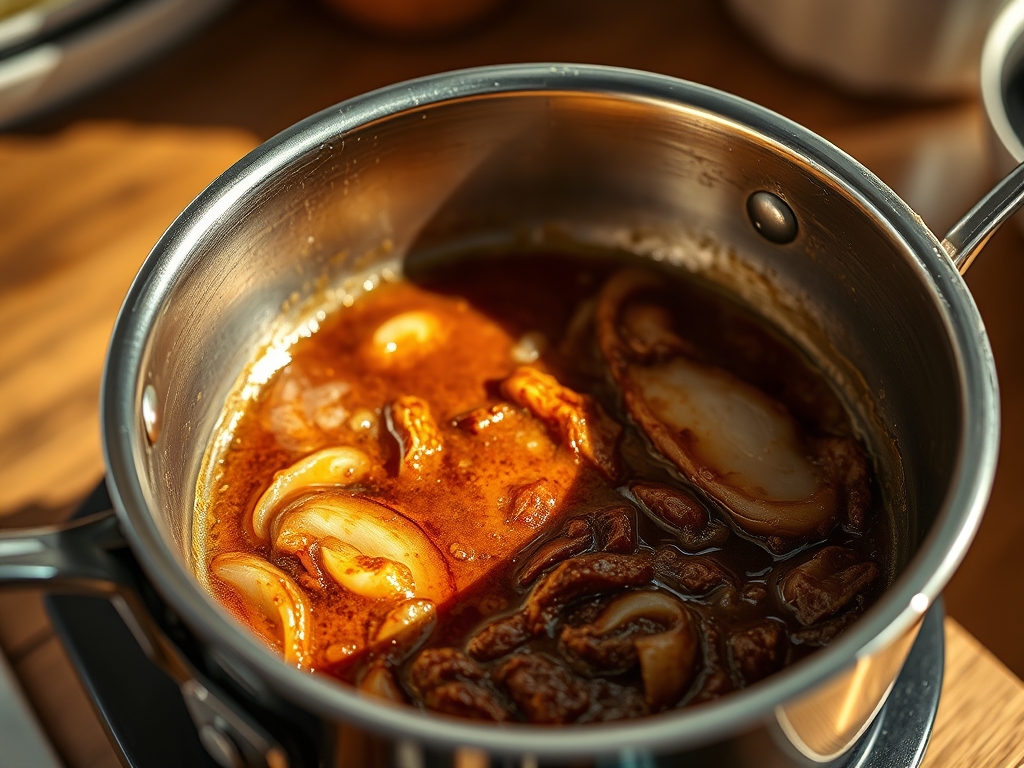
1. Thermal Equilibrium and Surface Prep
Remove the lamb from the refrigerator 45 minutes before cooking. Use a digital scale to ensure each chop is of uniform weight for consistent cooking times. Pat the surface with industrial-grade paper towels until the meat is bone-dry. Season aggressively with salt and pepper only moments before the meat hits the pan to prevent osmotic moisture loss.
Pro Tip: Use a bench scraper to clear your workstation of any stray moisture or debris. The science here is simple: water is the enemy of the Maillard reaction. By ensuring a dry surface, you allow the surface proteins to rearrange into savory brown compounds immediately upon contact with the heat.
2. The Vertical Render
Place your heavy-bottomed stainless steel pan or cast iron skillet over medium-high heat. Add the oil. Once the oil begins to shimmer, use tongs to hold the lamb chops upright, fat-cap side down. You are looking to render the thick layer of fat into a liquid state while simultaneously crisping the exterior.
Pro Tip: This stage requires a heavy-duty pair of locking tongs. By rendering the fat first, you create a natural frying medium for the rest of the cook. This "liquid gold" carries the flavor of the lamb and provides a more efficient heat transfer than store-bought oil.
3. The Sear and Flip
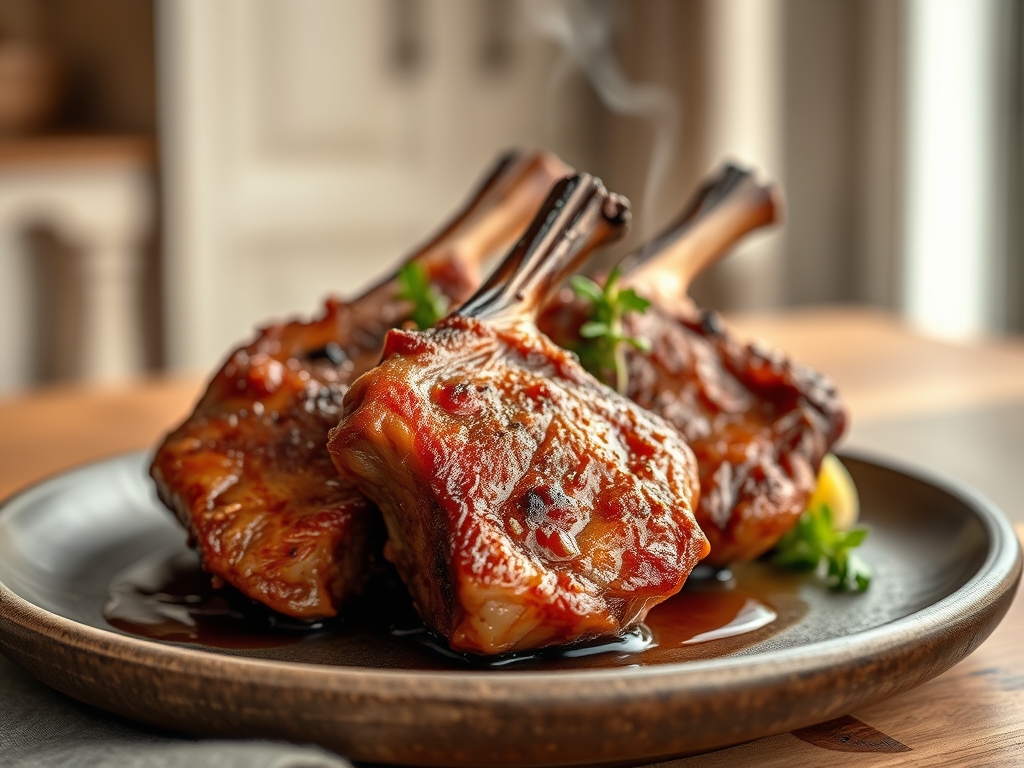
Lay the chops flat in the pan. Do not overcrowd the surface; if the temperature of the pan drops too low, the meat will boil. Sear for 3 minutes per side without moving them. You are looking for a deep, mahogany crust that matches the visual cues in the reference photo above.
Pro Tip: Use an infrared thermometer to verify the pan surface is between 400F and 450F. If the pan is too cold, the fat will remain chewy. If it is too hot, the exterior will carbonize before the interior reaches the desired medium-rare state.
4. The Aromatic Butter Baste
Reduce the heat to medium. Toss in the butter, smashed garlic, and rosemary. As the butter foams, tilt the pan so the fat pools at the bottom. Use a large metal spoon to continuously infuse the chops with the hot, bubbling fat. This is known as "arrosage."
Pro Tip: A saucier or a pan with sloped sides makes this process significantly easier. The foaming butter acts as a convective heat source, cooking the nooks and crannies of the meat while the milk solids in the butter brown, adding a nutty complexity to the final profile.
5. The Rest and Deglaze
Transfer the chops to a warm plate and let them rest for at least 8 minutes. While the meat rests, deglaze the pan with a splash of lemon juice to pick up the "fond" or the browned bits stuck to the bottom. Pour this concentrated essence over the chops before serving.
Pro Tip: Use a digital probe thermometer to pull the meat at 125F for a perfect medium-rare finish after resting. Resting allows the muscle fibers to relax and reabsorb the internal juices, ensuring the meat stays succulent rather than bleeding out on the plate.
Section B: Prep & Timing Fault-Lines:
The most frequent human error is "pan-panic." This occurs when the cook flips the meat too early because they fear burning. Trust the infrastructure. If the meat is sticking to the pan, the protein bonds have not yet released; wait another 30 seconds. Another fault-line is the "cold-core" syndrome, where the meat is charred on the outside but raw in the middle. This is solved by the 45-minute temper period mentioned in Step 1. If you skip the temper, the thermal gradient is too steep for the heat to penetrate the center efficiently.
THE VISUAL SPECTRUM
Section C: Thermal & Visual Troubleshooting:
Look closely at the Masterclass photo. The crust is not just brown; it is variegated with shades of gold, bronze, and deep chocolate. If your chops look pale or grey, your pan was not hot enough or you crowded the pan. If the fat cap looks white or translucent, you failed to perform the vertical render long enough. To fix a dull appearance, aerate your basting butter by whisking it vigorously as it foams; this helps distribute the heat more evenly. If the herbs look black and ashy, you added them too early. They should be vibrant and fried, not incinerated.
THE DEEP DIVE
Macro Nutrition Profile
Per serving (2 double chops): 540 Calories, 42g Protein, 38g Fat, 0g Carbohydrates. Lamb is a dense source of Vitamin B12, Zinc, and Selenium. The high fat content is primarily monounsaturated and saturated, providing long-lasting satiety.
Dietary Swaps
- Vegan: This protocol can be applied to thick-cut cauliflower steaks or "lion's mane" mushrooms. Use a high-quality vegan butter and a dash of liquid smoke to mimic the gaminess of the lamb.
- Keto/GF: This recipe is inherently Keto and Gluten-Free. Ensure your spices do not contain anti-caking agents that include wheat starch.
Meal Prep & Reheating Science
Reheating lamb is a delicate operation. To maintain the molecular structure and prevent a "rubbery" texture, avoid the microwave. Reheat in a 300F oven until the internal temperature reaches 110F. To restore the crunch, a quick 30-second flash-sear in a hot pan will re-crisp the fat cap without overcooking the center.
THE KITCHEN TABLE
Why is my lamb tough even though it is pink?
You likely skipped the resting phase. Without resting, the muscle fibers remain tightly coiled and the juices haven't redistributed. Always give your Crispy Lamb Chops at least eight minutes of downtime before slicing.
Can I use dried rosemary instead of fresh?
Negative. Dried rosemary has the texture of pine needles and will not infuse the butter correctly. Fresh rosemary contains essential oils that react with the hot fat to create a fragrant, piquant basting medium.
How do I prevent the garlic from burning?
Add the garlic only during the final basting stage. Smash the cloves but leave the skins on to provide a protective buffer against the direct heat of the pan. This allows the flavor to leach out slowly.
What is the best oil for searing lamb?
Avoid extra virgin olive oil as its smoke point is too low for this application. Use grapeseed or avocado oil. These fats can handle the 400F+ temperatures required to achieve that structural carbonization on the fat cap.