Listen to the sound of the structural collapse. That sharp, percussive snap you hear when a serrated blade meets a dense, grain-heavy crust is not just breakfast; it is a symphony of mechanical engineering. We are moving beyond the soft, pillowy crumb of amateur hour and entering the realm of high-density caloric architecture. This Seeded Rye Audit demands more than just a passing interest in fermentation. It requires a commitment to the physics of seed bonding and the chemistry of the Maillard reaction. We are building a fortress of flavor where caraway, flax, and sunflower seeds act as the rebar within a concrete-strength rye matrix. If your current loaf lacks the structural integrity to support a thick slab of salted butter without shattering into a thousand pathetic crumbs, you have failed the inspection. We are here to rectify those structural deficiencies. Prepare to audit your pantry, calibrate your oven, and engage in the most aggressive crust-building exercise of your culinary career. The goal is a viscous interior protected by a piquant, armor-plated exterior.
THE DATA MATRIX
| Metric | Specification |
|---|---|
| Prep Time | 45 Minutes |
| Execution Time | 18 Hours (Fermentation Included) |
| Yield | 2 Large Boules |
| Complexity | 8 / 10 |
| Estimated Cost per Serving | $0.85 |
THE GATHERS
Ingredient Protocol:
- 500g / 4 cups Dark Rye Flour
- 500g / 4 cups Bread Flour (High Protein)
- 750ml / 3 cups Filtered Water (Room Temperature)
- 20g / 1.5 tbsp Fine Sea Salt
- 10g / 1 tbsp Active Dry Yeast
- 50g / 0.5 cup Toasted Sunflower Seeds
- 30g / 0.25 cup Flax Seeds
- 20g / 2 tbsp Caraway Seeds
- 15ml / 1 tbsp Blackstrap Molasses
Section A: Ingredient Quality Audit:
If your rye flour feels soft and powdery like cake flour, it lacks the bran density required for a true Seeded Rye Audit. Low-quality rye results in a gummy, collapsed interior. To fix this, increase your bread flour ratio by ten percent to provide the necessary gluten scaffolding. If your seeds are dull or lack aroma, they are likely oxidized. To salvage them, you must infuse them with heat in a dry skillet until the oils render and the scent becomes aggressive. Never use pre-ground caraway; the volatile oils evaporate within minutes of milling. Use a mortar and pestle to crack them fresh.
THE MASTERCLASS
1. The Hydration Phase
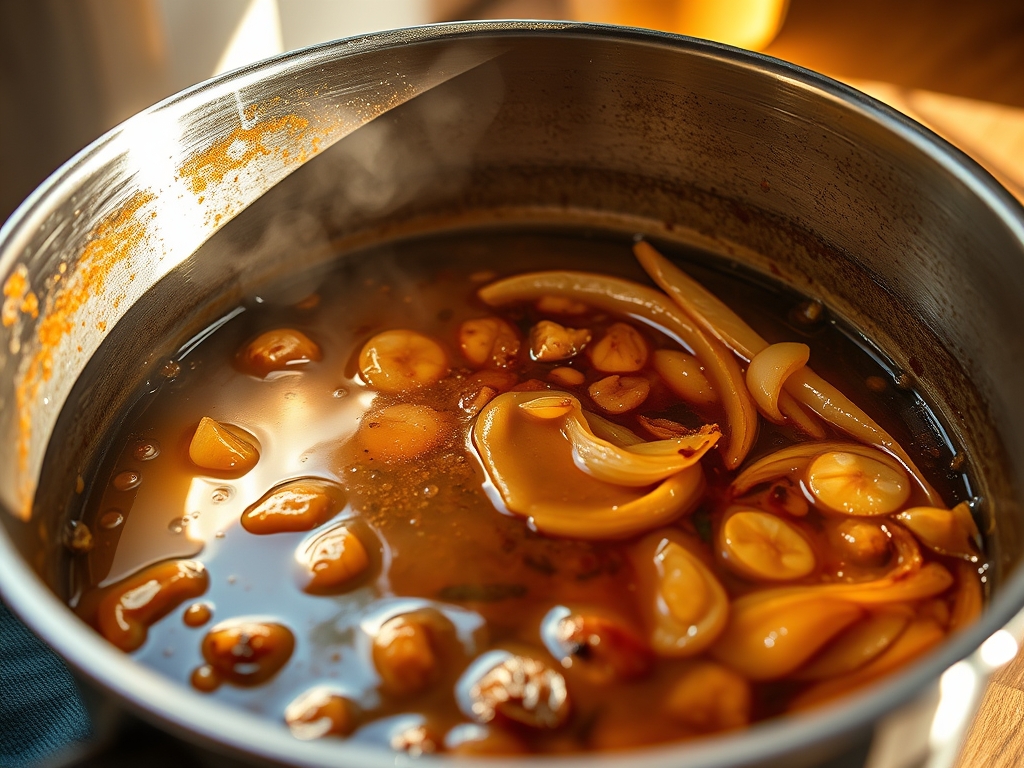
Combine your water and molasses in a large saucier or mixing bowl to ensure the sugars are fully dissolved before introducing the flour. This creates a uniform distribution of moisture.
Pro Tip: Use a digital scale to measure by weight rather than volume. Rye is notoriously thirsty and even a five percent variance in hydration can turn your dough from a manageable mass into a sticky, unworkable paste.
2. The Seed Integration
Once the initial shaggy mass forms, fold in your toasted seeds. This is where mechanical bonding occurs. The seeds must be evenly distributed to prevent structural weak points in the crumb.
Pro Tip: Use a stainless steel bench scraper to fold the dough over itself. This prevents the warmth of your hands from prematurely activating the yeast while ensuring the seeds are locked into the gluten network.
3. The Cold Fermentation
Place the dough in a sealed container for 12 to 16 hours in the refrigerator. This slow process allows the enzymes to break down complex starches into simple sugars, which will eventually render a deeper crust color.
Pro Tip: Cold fermentation is the only way to achieve the viscous yet airy texture signature of professional rye. It allows the rye's pentosans to hydrate fully without the dough becoming over-proofed.
4. The High-Heat Execution
Preheat a heavy Dutch oven to 450 degrees Fahrenheit. Score the top of the loaf deeply with a lame or a sharp razor to direct the expansion.
Pro Tip: The steam trapped inside the Dutch oven is what allows the crust to aerate and expand before setting. Without steam, the crust hardens too quickly, resulting in a dense, leaden loaf that fails the audit.
Section B: Prep & Timing Fault-Lines:
The most common human error is rushing the cooling process. If you cut into a seeded rye while it is still warm, the residual steam will turn the interior into a gummy mess. The molecular structure needs at least two hours to set. Another timing failure occurs during the bulk ferment; if your kitchen is over 75 degrees, the yeast will work too fast, producing a sour, acidic flavor that overpowers the piquant caraway notes. Control your environment or adjust your yeast levels downward.
THE VISUAL SPECTRUM
Section C: Thermal & Visual Troubleshooting:
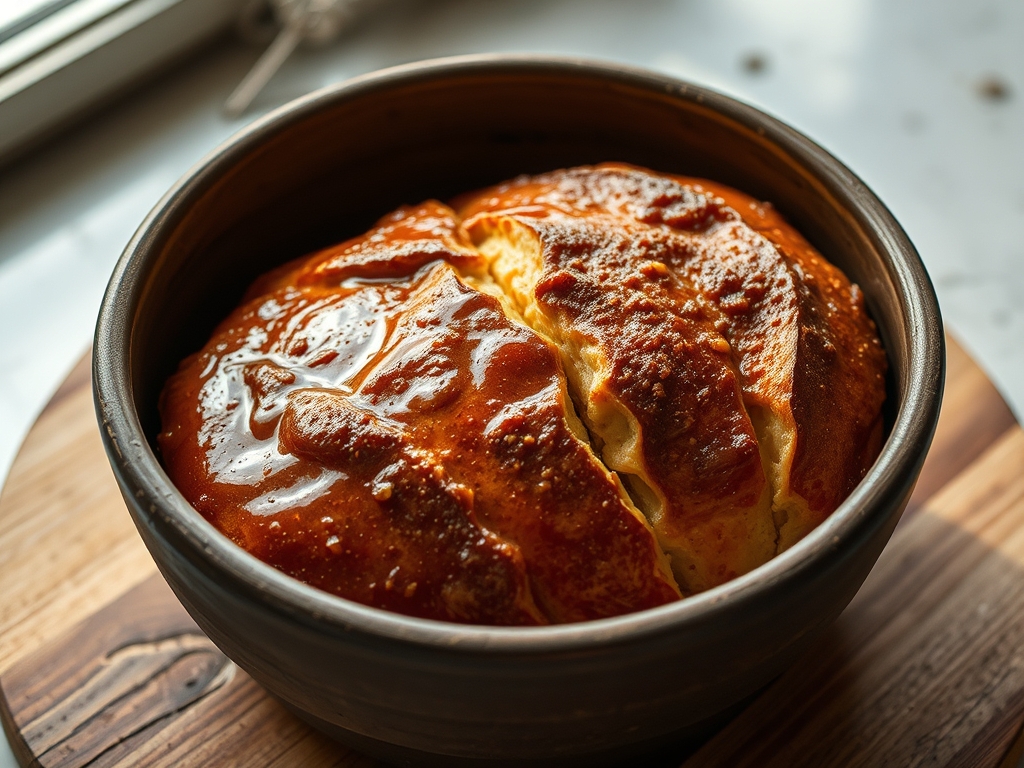
Referencing the Masterclass photo, observe the deep mahogany hue of the crust. If your loaf looks pale or "dusty," your oven temperature was likely too low or your dough lacked sufficient sugar from the molasses to trigger the Maillard reaction. If the seeds on the exterior are charred and bitter, they were not pressed deeply enough into the dough surface. The visual goal is a "shattered glass" effect on the crust; this indicates a perfect balance of hydration and high-heat tension. If the loaf is flat rather than domed, your gluten development was insufficient to hold the weight of the seeds.
THE DEEP DIVE
Macro Nutrition Profile:
A single slice of this Seeded Rye Audit provides approximately 180 calories, 6g of protein, 4g of fiber, and 3g of healthy fats from the sunflower and flax seeds. It is a slow-burning carbohydrate source designed for sustained energy.
Dietary Swaps (Vegan/Keto/GF):
For a vegan version, this recipe is already compliant. For Keto, replace rye and bread flour with a mix of almond flour, vital wheat gluten, and oat fiber, though the texture will be significantly softer. Gluten-free audits require a heavy reliance on psyllium husk to mimic the binding properties of rye pentosans.
Meal Prep & Reheating Science:
To maintain the molecular structure, store the loaf cut-side down on a wooden board. Never refrigerate bread; it accelerates staling through starch retrogradation. To reheat, use a toaster oven to re-crisp the crust while keeping the interior moist. If the bread has become too hard, briefly deglaze the surface with a mist of water before placing it in a hot oven for five minutes.
THE KITCHEN TABLE
Why is my rye bread so sticky during kneading?
Rye contains high levels of pentosans which absorb massive amounts of water. Unlike wheat gluten, these molecules are naturally "gluey." Use a bench scraper and minimize hand contact to manage the stickiness without adding excess flour.
Can I skip the molasses?
The molasses provides the necessary sugars for the Maillard reaction and balances the bitterness of the rye. If skipped, your crust will be pale and the flavor profile will lack the traditional earthy depth.
My seeds keep falling off the crust. What happened?
You must mist the top of the loaf with water or an egg wash before pressing the seeds into the surface. This creates a protein-based adhesive that locks the seeds in place during the oven spring.
How do I get a more sour flavor?
Extend the cold fermentation in the refrigerator by an additional 12 hours. This allows the lactobacillus bacteria more time to produce lactic and acetic acids, resulting in a sharper, more piquant profile.