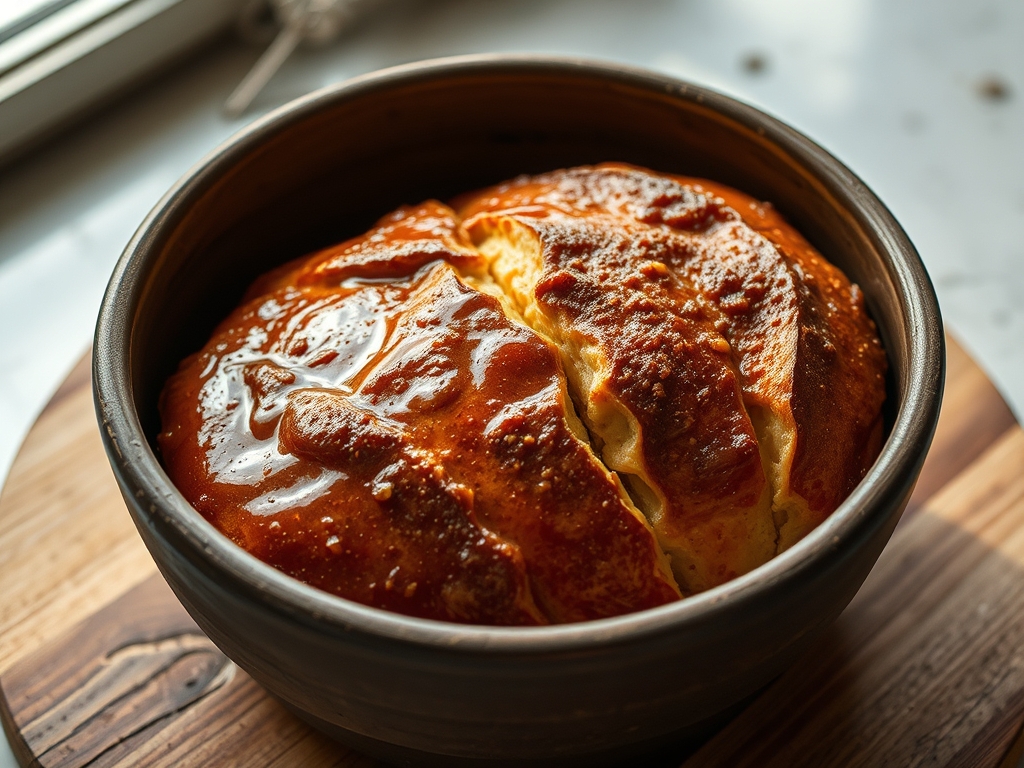
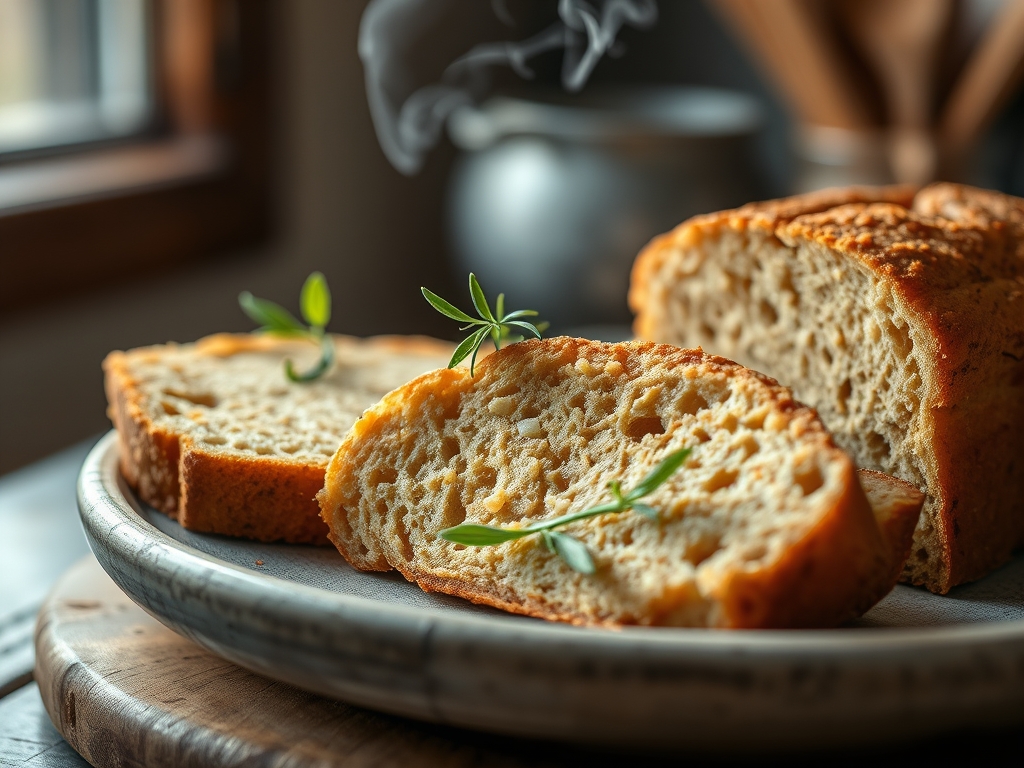
Listen to the sound of the cooling rack. It is a frantic, microscopic percussion as the crust of your Honey Wheat Loaf undergoes thermal contraction. This is not just bread; it is a structural masterpiece of sucrose-enhanced browning. We are moving beyond the amateur realm of "tasty snacks" and entering the theater of the Maillard reaction. Imagine a crumb so tender it defies the coarse reputation of whole grains, supported by a crust that carries the deep, viscous amber of forest honey. The aroma is an aggressive infusion of toasted malt and floral sugars that commands the room. If your current baking routine feels like a sluggish chore, you are likely failing to manage your hydration levels or neglecting the enzymatic activity required to break down complex starches. We are here to audit your infrastructure. We will strip away the guesswork and replace it with precision. Prepare to calibrate your oven and your expectations. This is the definitive technical audit of the perfect loaf.
THE DATA MATRIX
| Metric | Specification |
|---|---|
| Prep Time | 25 Minutes |
| Execution Time | 3 Hours 15 Minutes |
| Yield | 1 Large Loaf (approx. 12 slices) |
| Complexity (1-10) | 4 |
| Estimated Cost per Serving | $0.45 |
THE GATHERS
Ingredient Protocol:
- 375g / 3 cups Hard Red Whole Wheat Flour
- 125g / 1 cup Unbleached All-Purpose Flour
- 350ml / 1.5 cups Filtered Water (warmed to 40C / 105F)
- 85g / 0.25 cup Raw Wildflower Honey
- 10g / 2 tsp Fine Sea Salt
- 7g / 2.25 tsp Active Dry Yeast
- 45g / 3 tbsp Unsalted Butter (melted and cooled)
- 15ml / 1 tbsp Whole Milk (for the crust wash)
Section A: Ingredient Quality Audit:
The primary failure point in a Honey Wheat Loaf is often the wheat flour itself. If your flour is "dead" (oxidized from sitting in a warm pantry), the gluten network will be brittle. Technical Fix: Always source stone-ground flour with a visible germ; if the dough feels like wet sand, add 10g of Vital Wheat Gluten to reinforce the protein matrix. Another common audit failure is the honey. Processed, clover-based supermarket honey lacks the enzymatic depth of raw varieties. If your honey is crystallized, do not microwave it into oblivion. Gently warm the jar in a bain-marie to preserve the floral aromatics. Finally, if your water is heavily chlorinated, it will inhibit yeast respiration. Use filtered water to ensure the biological leavening process remains unencumbered.
THE MASTERCLASS
1. The Hydration and Activation Phase
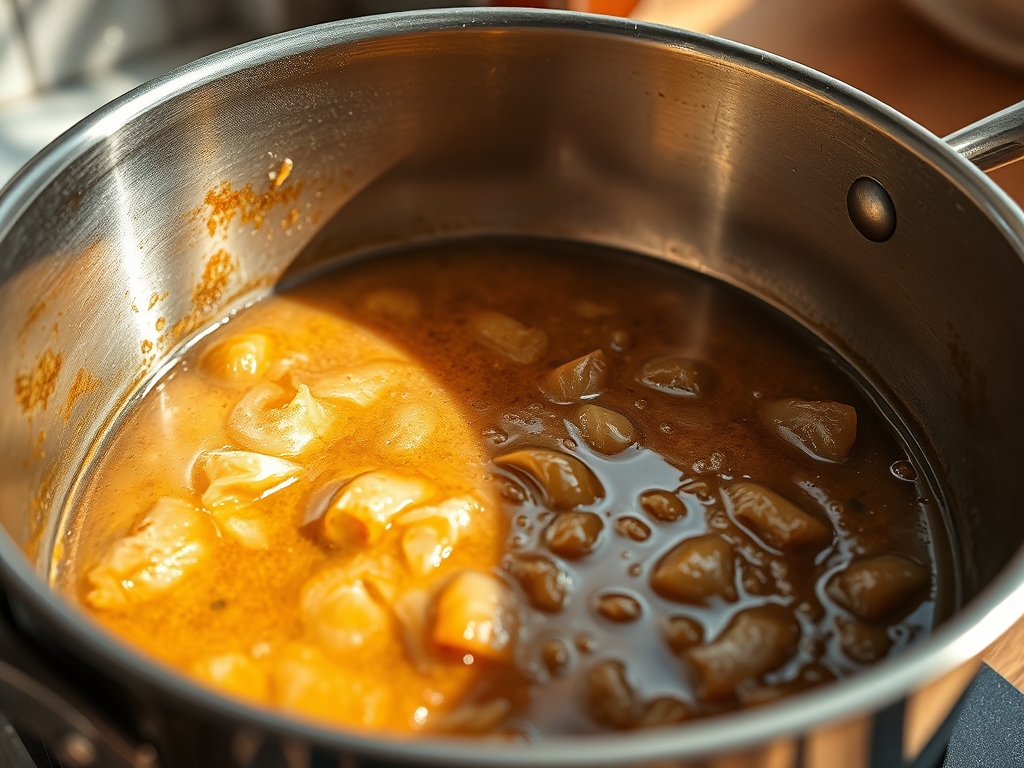
Begin by combining your warmed filtered water, honey, and yeast in the bowl of a stand mixer. Use a digital scale for this; volume measurements are the enemy of consistency. Allow the mixture to bloom for ten minutes until a frothy cap forms. This indicates the yeast is metabolizing the glucose and fructose in the honey.
Pro Tip: The honey acts as a humectant. It attracts water molecules, which keeps the crumb moist for days longer than a standard white loaf. By dissolving it early, you ensure even distribution of these hygroscopic properties.
2. The Structural Integration
Add the melted butter and the flours. Using the dough hook attachment, mix on low speed until a shaggy mass forms. Sprinkle the salt over the top last. Increase the speed to medium and knead for 8 to 10 minutes. The dough should transition from a sticky paste to a smooth, elastic sphere that clears the sides of the bowl.
Pro Tip: Use a bench scraper to manage the dough during the transition to the counter. The "Windowpane Test" is your audit tool here; stretch a small piece of dough. If it translates light without tearing, your gluten development is sufficient.
3. The Controlled Fermentation
Place the dough in a lightly oiled bowl. Cover with a damp cloth and find a draft-free environment maintained at 24C to 27C (75F to 80F). Allow the dough to aerate and double in volume. This usually takes 60 to 90 minutes.
Pro Tip: Do not rush this. Slow fermentation allows enzymes to break down starches into simpler sugars, which will later render a more complex flavor profile and a deeper crust color during the bake.
4. Shaping and Final Proof
Degas the dough by pressing firmly with your palm. Shape it into a tight cylinder by tensioning the surface against a clean work surface. Place the dough into a greased 9×5 inch loaf pan. Cover and let rise until the center of the dough is about one inch above the rim of the pan.
Pro Tip: A professional loaf pan with heavy-gauge aluminized steel provides superior heat conduction compared to glass. This ensures the bottom and sides of your loaf undergo the same browning intensity as the top.
5. The Thermal Execution
Preheat your oven to 190C (375F). Brush the top of the loaf with a thin layer of milk. Bake for 35 to 40 minutes. The internal temperature must reach 88C (190F) on an instant-read thermometer to ensure the starches have fully gelatinized.
Pro Tip: The milk wash provides lactose, which reacts with the wheat proteins to create a "soft-shine" finish. For a more piquant and rustic look, dust the top with a pinch of oats before the loaf enters the heat.
Section B: Prep & Timing Fault-Lines:
Human error usually manifests in temperature mismanagement. If your water is above 45C (115F), you will scald the yeast, resulting in a dense, leaden brick. If your kitchen is too cold, the proofing time might double. Do not follow the clock; follow the volume. Another timing trap is the cooling phase. Cutting into a hot Honey Wheat Loaf causes the steam to escape prematurely, which collapses the molecular structure and leaves you with a gummy interior. You must wait at least 60 minutes. Your patience is a required component of the recipe.
THE VISUAL SPECTRUM
Section C: Thermal & Visual Troubleshooting:
Referencing the Masterclass photo, your loaf should exhibit a uniform, mahogany-colored crown. If your loaf is pale, your oven calibration is likely low, or you omitted the honey (the primary fuel for browning). If the loaf has a "shredded" look along the sides, it was under-proofed; the gases expanded too violently in the oven. If the top is dark but the sides are white, you are likely using a glass pan which reflects heat rather than absorbing it. A perfect audit result shows a symmetrical rise with a matte, honey-toned finish that yields slightly when pressed but springs back immediately.
THE DEEP DIVE
Macro Nutrition Profile:
A standard slice contains approximately 140 calories, 4g of protein, 2g of fiber, and 3g of fat. The inclusion of whole wheat provides essential B-vitamins and magnesium, making this a superior fuel source compared to highly processed white breads.
Dietary Swaps:
- Vegan: Replace the honey with maple syrup and the butter with coconut oil. The browning will be slightly more aggressive due to the higher sugar content of maple.
- Keto: This specific grain-heavy architecture is not compatible with Keto.
- Gluten-Free: Requires a complete overhaul using xantham gum and a blend of rice and oat flours; the honey-to-water ratios remain the same.
Meal Prep & Reheating Science:
To maintain the molecular structure, store the loaf in a paper bag for the first 24 hours. For long-term storage, slice the loaf and freeze it in an airtight container. When reheating, use a toaster to re-crystallize the sugars on the surface, which restores the "crunch" without drying out the interior crumb.
THE KITCHEN TABLE
Why is my loaf so heavy and dense?
You likely over-handled the dough after the first rise or used expired yeast. Ensure you do not "punch" the dough too aggressively; a gentle deflation preserves the smaller gas pockets needed for a light crumb.
Can I use bread flour instead of all-purpose?
Yes. Bread flour has a higher protein content, which will result in a taller loaf with a more "chewy" texture. This is actually preferred for those who enjoy a sturdier sandwich bread.
My crust is too hard. How do I soften it?
Brush the loaf with melted butter immediately after removing it from the oven. The fats will penetrate the crust and break down the rigid sugar structures, resulting in a pillowy, soft exterior.
Does the type of honey really matter?
Absolutely. Darker honeys, like buckwheat, contain more minerals and antioxidants which contribute to a faster and darker Maillard reaction. Lighter honeys provide a more subtle sweetness and a golden hue.