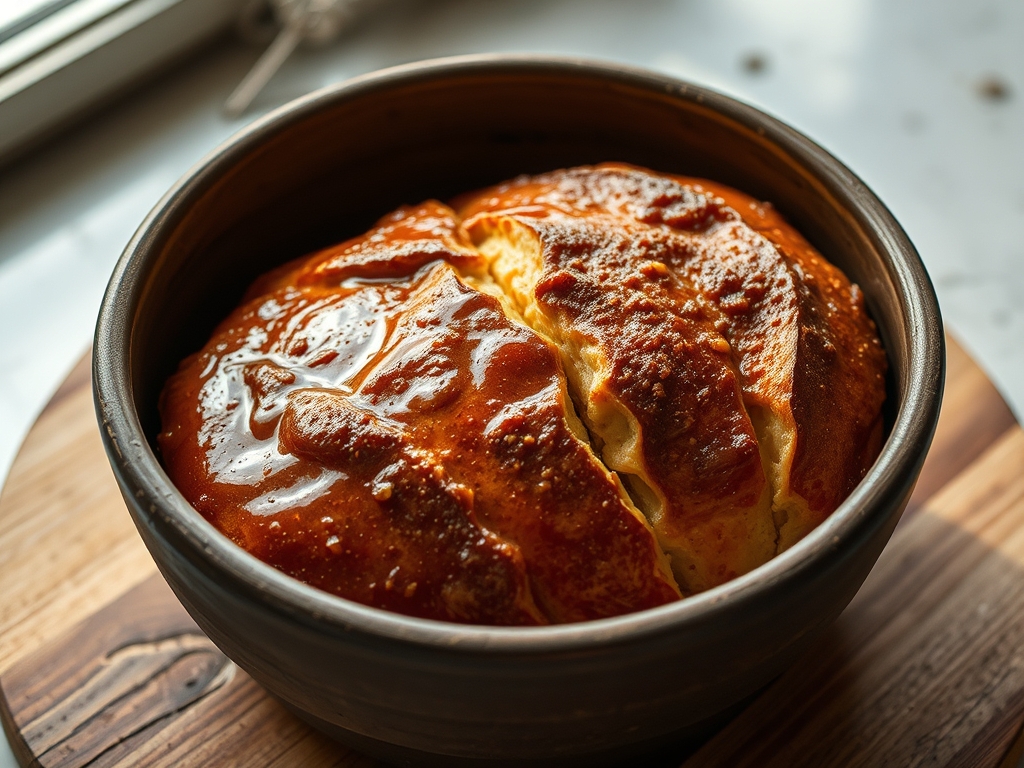
Listen to that sound. It is not just a crackle; it is the percussion of a thousand microscopic structural failures occurring simultaneously as the internal pressure of the crumb pushes against a rapidly dehydrating exterior. This is the symphony of the French Baguette Audit. If your kitchen does not currently smell like toasted malt and caramelized sugars, your infrastructure is failing. We are not here to bake bread; we are here to engineer a high-tension, steam-injected baton that shatters upon impact. To achieve the legendary "oreille" or the ear of the baguette, you must understand that water is your primary structural engineer. The transition from a shaggy, hydrated mass to a rigid, golden pillar of gluten is a feat of thermal physics. We are looking for a crumb that is open and airy, contrasting a crust that provides a significant tactile snap. Forget the limp, pale grocery store imitations. We are auditing your process from the protein content of your flour to the humidity levels of your oven. Let us begin the technical overhaul.
THE DATA MATRIX
| Metric | Specification |
|---|---|
| Prep Time | 20 Minutes Active / 18 Hours Passive |
| Execution Time | 25 Minutes |
| Yield | 3 Standard Batons |
| Complexity (1-10) | 8 |
| Estimated Cost per Serving | $0.45 |
THE GATHERS
Ingredient Protocol:
- 500g / 3.75 cups Unbleached Bread Flour (12.7% protein minimum)
- 360ml / 1.5 cups Filtered Water (Room Temperature)
- 10g / 2 tsp Fine Sea Salt
- 3g / 1 tsp Instant Yeast
- 50ml / 0.2 cup Ice Cubes (For steam generation)
Section A: Ingredient Quality Audit:
If your flour lacks the necessary protein content, your gluten network will collapse under its own weight, resulting in a flat, dense disc rather than a proud baton. You can troubleshoot this by adding 10g of vital wheat gluten to your dry mix. If your water is heavily chlorinated, it can inhibit yeast activity; use filtered or spring water to ensure the fermentation remains aggressive. Ensure your yeast is not expired by performing a bloom test in a small portion of the water. If it does not foam within five minutes, discard and replace. The salt must be fine-grain to ensure even distribution throughout the dough matrix; coarse salt can create localized "salt kills" where yeast activity is neutralized.
THE MASTERCLASS
1. Autolyse and Initial Hydration
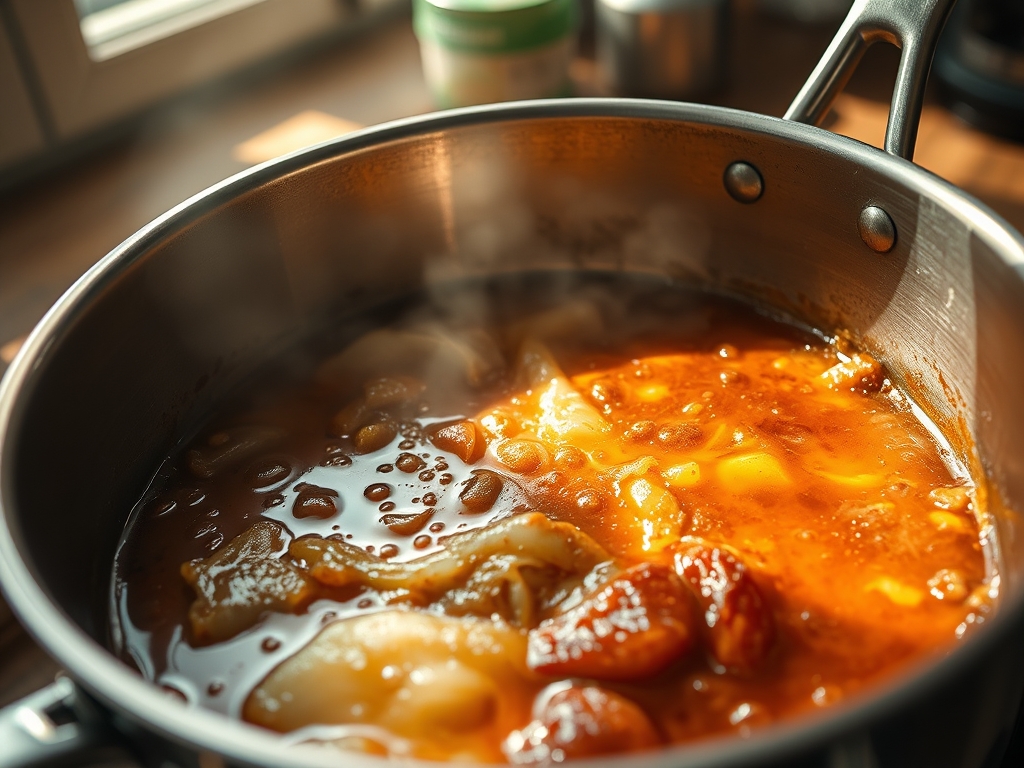
Combine your flour and water in a large ceramic bowl until no dry spots remain. Cover and let rest for 45 minutes. This allows the flour to fully hydrate and the enzymes to begin breaking down starches into fermentable sugars.
Pro Tip: Use a digital scale for this step. Volumetric measurements are the enemy of consistency in a French Baguette Audit. Precision in hydration levels ensures the dough remains manageable during the shaping phase.
2. Salt and Yeast Integration
Sprinkle the salt and yeast over the hydrated dough. Use the "pincer method" to fold the dough over itself, squeezing the ingredients into the center until fully incorporated.
Pro Tip: A bench scraper is essential here to keep your work surface clean and to manipulate the dough without adding excess flour, which would ruin the hydration ratio.
3. Bulk Fermentation and Folding
Allow the dough to rise for three hours, performing a series of "stretch and folds" every 30 minutes. This builds tension and aligns the gluten strands into a cohesive, elastic structure.
Pro Tip: This process helps aerate the dough, trapping carbon dioxide in small pockets that will eventually expand into the open crumb structure seen in professional bakeries.
4. Cold Retardation
Place the dough in the refrigerator for 12 to 15 hours. This slow fermentation allows for the development of complex organic acids, providing that signature piquant tang.
Pro Tip: Cold dough is much easier to score. The low temperature firms up the exterior, allowing your blade to glide through the surface without snagging or deflating the loaf.
5. Shaping and Final Proof
Divide the dough into three equal portions and shape them into tight cylinders. Rest for 10 minutes, then extend them into 14 inch batons. Place them in a floured couche for the final proof.
Pro Tip: Use a lame (a dedicated baker's razor) to score the surface at a shallow angle. This creates the "ear" by allowing the dough to expand upward rather than outward during the initial oven spring.
6. The Steam Injection
Preheat your oven to 475 degrees Fahrenheit with a cast iron skillet on the bottom rack. Slide the batons onto a preheated baking stone and pour the ice cubes into the skillet.
Pro Tip: The steam prevents the crust from setting too early, allowing for maximum expansion. It also gelatinizes the surface starches, which eventually render into a thin, glass-like crust during the final minutes of baking.
Section B: Prep & Timing Fault-Lines:
The most common failure in a French Baguette Audit is over-proofing. If the dough feels "soupy" and fails to hold its shape when transferred to the oven, you have waited too long. Reduce your final proof by 15 minutes. Conversely, if the baguette bursts at the seams rather than at your score marks, you have under-proofed. Ensure your kitchen temperature is stable; fluctuations can cause the yeast to behave erratically, throwing off your entire timeline.
THE VISUAL SPECTRUM
Section C: Thermal & Visual Troubleshooting:
Observe the image above. The crust should exhibit a deep mahogany hue with "blisters" or small bubbles on the surface, indicating high hydration and proper fermentation. If your crust is dull and matte, you likely lacked sufficient steam during the first ten minutes of baking. If the scoring marks have not opened up, your oven was not hot enough or your blade was too vertical. The interior crumb should be translucent and glossy; a matte, white interior suggests under-hydration or over-mixing, which destroys the delicate alveolar structure. Ensure the bottom of the loaf sounds hollow when tapped; a dull thud indicates a moisture pocket that will lead to a gummy texture.
THE DEEP DIVE
Macro Nutrition Profile:
A single serving (approximately 100g) provides 270 calories, 9g of protein, 52g of carbohydrates, and 1g of fat. While it is a high-carb fuel source, the long fermentation process lowers the glycemic index compared to standard white bread, making it a more stable energy source for metabolic processing.
Dietary Swaps:
- Vegan: This recipe is naturally vegan.
- Gluten-Free: Replace bread flour with a high-quality 1:1 GF blend containing xanthan gum, though the "snap" will be significantly reduced.
- Keto: This infrastructure is incompatible with keto protocols; the structural integrity relies entirely on wheat protein and starch.
Meal Prep & Reheating Science:
To maintain the molecular structure, never refrigerate baked baguettes. The starch retrogradation process happens fastest at refrigerator temperatures, leading to staling. Store at room temperature in a paper bag for 24 hours. To revive, mist the crust with water and bake at 350 degrees Fahrenheit for 5 minutes to re-gelatinize the starches and restore the crunch.
THE KITCHEN TABLE
Why is my crust soft after cooling?
This is caused by moisture migrating from the crumb to the crust. Ensure you cool the batons on a wire rack in a well-ventilated area. If they are crowded, the trapped steam will soften the exterior immediately.
Can I use All-Purpose flour?
You can, but the lower protein content means a less chewy texture and a flatter loaf. If using AP flour, reduce the water by 20ml to maintain a manageable dough consistency and prevent structural collapse.
What does "steam injection" actually do?
Steam keeps the dough surface moist, allowing it to stretch during the "oven spring" phase. It also dissolves sugars on the surface, which then caramelize to create a shiny, crisp, and flavorful crust.
My baguette is too dense. Why?
Density is usually a result of under-hydration or insufficient bulk fermentation. Ensure you are seeing visible bubbles in the dough before shaping. Also, avoid degassing the dough aggressively; handle it like a delicate cloud.