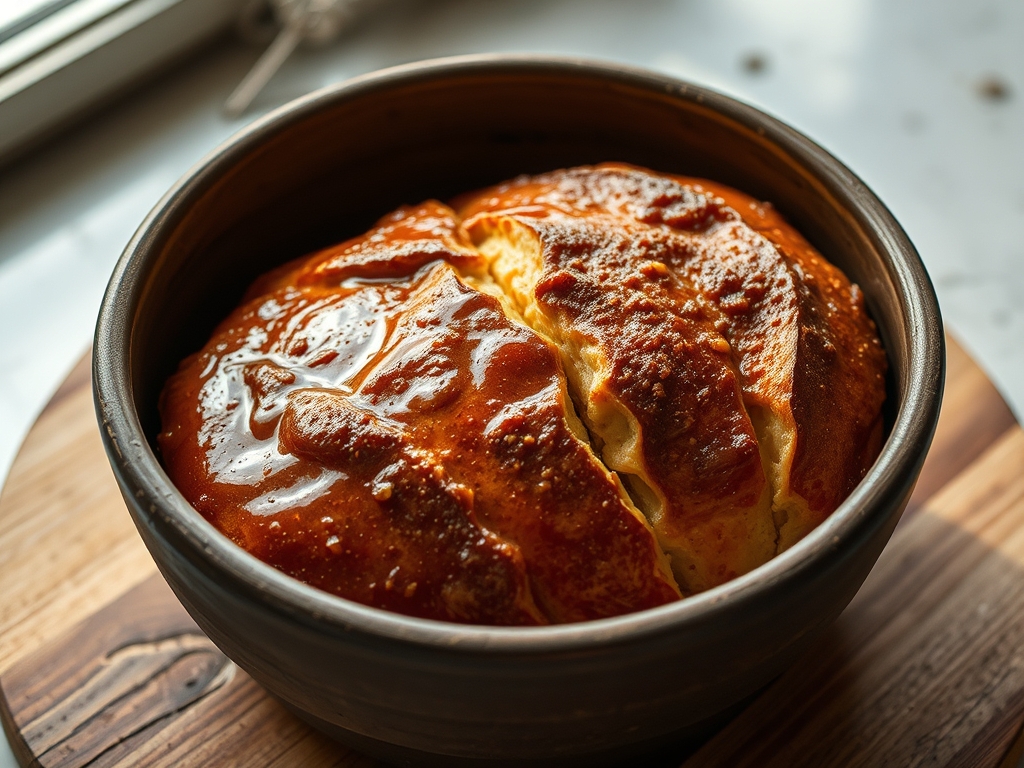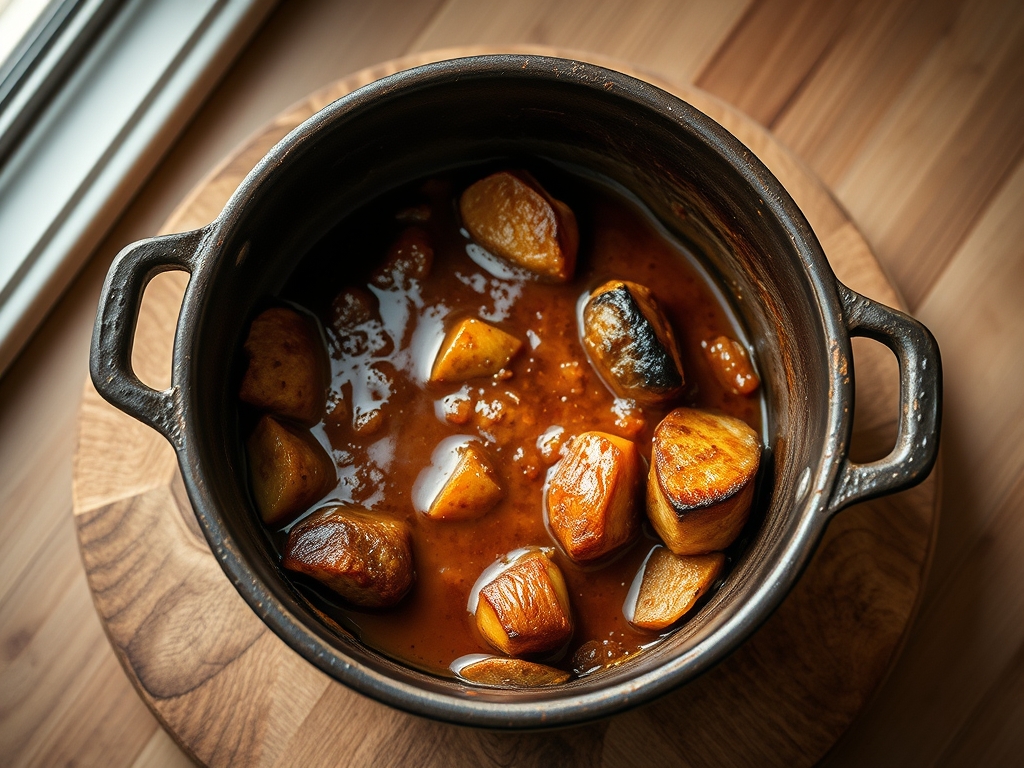
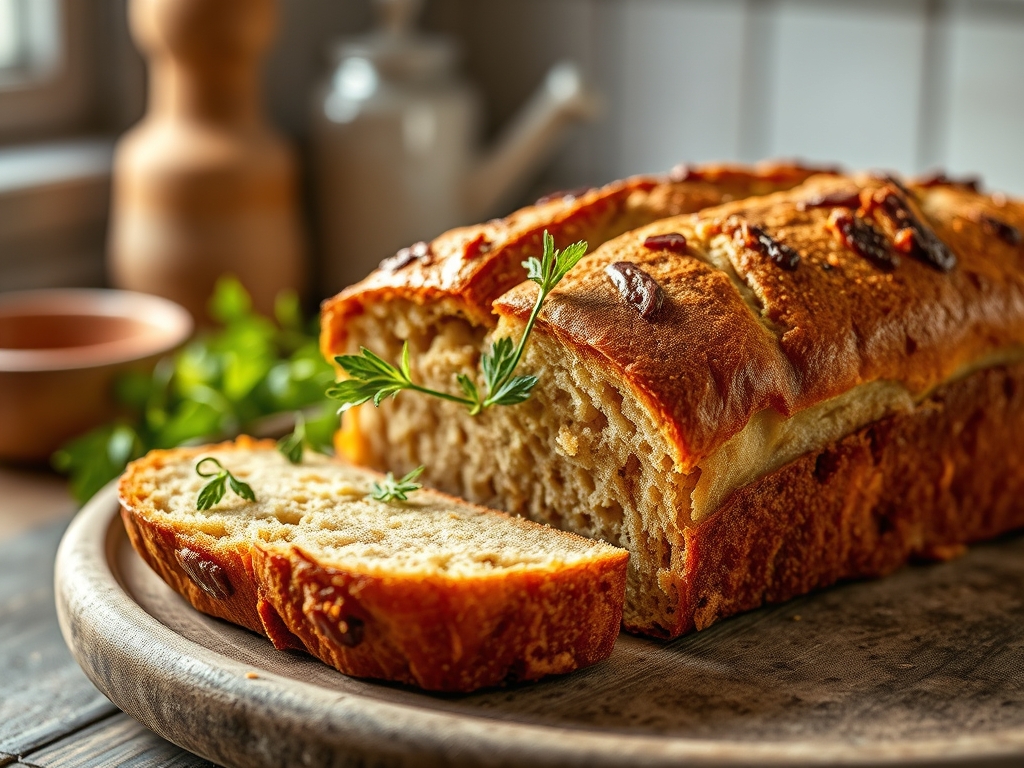
Listen up, starch-worshippers and gluten-skeptics. We are not just baking bread; we are performing a biological excavation of the Neolithic era. When you handle an Einkorn Rustic Loaf, you are wrestling with the unadulterated DNA of the first grain ever domesticated. This is not the hybridized, high-yield, Frankenstein wheat of the modern industrial complex. Einkorn is a stubborn, low-yield, diploid powerhouse that demands respect and a specific set of kinetic maneuvers. The aroma hitting your nostrils right now is not just yeast; it is a deep, nutty, toasted-honey profile that has been dormant in the soil for ten thousand years. We are looking for a crust that shatters like glass and a crumb that remains dense yet tender, vibrating with a golden hue that no bleached flour could ever replicate. This is a high-stakes audit of your kitchen infrastructure. If your hydration levels are off by even a fraction, this ancient dough will turn into a sticky, unmanageable mess. Prepare for a masterclass in ancestral integrity.
THE DATA MATRIX
| Metric | Specification |
|---|---|
| Prep Time | 30 Minutes (Active) |
| Execution Time | 18 – 24 Hours (Fermentation Included) |
| Yield | 1 Large Boule |
| Complexity (1-10) | 7 (High Hydration Management) |
| Estimated Cost per Serving | $1.25 |
THE GATHERS
Ingredient Protocol:
- 500g / 4 cups Whole Grain Einkorn Flour (Stone-ground preferred)
- 350ml / 1.5 cups Filtered Water (Room temperature, 21C / 70F)
- 10g / 2 tsp Fine Sea Salt
- 5g / 1.5 tsp Active Dry Yeast or 100g / 0.5 cup Active Sourdough Starter
- 15ml / 1 tbsp Extra Virgin Olive Oil (For bowl lubrication)
Section A: Ingredient Quality Audit:
The primary failure point in ancient grain baking is flour oxidation. If your Einkorn smells like old cardboard rather than toasted nuts, the fatty acids have turned rancid; discard it immediately. Furthermore, tap water is a silent killer. The chlorine in municipal supplies can inhibit yeast activity and prevent the dough from reaching its full viscous potential. Use filtered water to ensure the microbial colony thrives. If your dough feels overly slack, your flour likely has a lower protein content than required. To fix this, reduce the water by 25ml in subsequent batches or add a teaspoon of vital wheat gluten to provide structural reinforcement, though purists will argue this violates the ancestral mandate.
THE MASTERCLASS
Step-by-Step Execution:
1. The Initial Hydration Phase
Combine your flour and water in a ceramic mixing bowl. Use a digital scale for precision; volume measurements are for amateurs. Mix until no dry pockets remain. Let this sit for 30 minutes. This is the autolyse phase, where the flour fully absorbs the liquid to infuse the proteins with moisture before the salt is added.
Pro Tip: This stage allows the enzymes to begin breaking down starches into simple sugars, which will eventually render a superior crust color through the Maillard reaction.
2. Inoculation and Salt Integration
Sprinkle the yeast and salt over the surface of the dough. Using a bench scraper, fold the edges of the dough over the center. Do not knead this like modern wheat. Einkorn has a fragile gluten structure that will degrade if overworked. Use a "stretch and fold" technique every 30 minutes for two hours.
Pro Tip: Over-kneading Einkorn will result in a "cakey" texture. You want to aerate the dough gently to trap carbon dioxide without snapping the delicate protein strands.
3. The Cold Fermentation Protocol
Place the dough in a lightly oiled glass container and refrigerate for 12 to 18 hours. This slow fermentation is non-negotiable. It allows the flavor profile to develop complexity and makes the nutrients more bioavailable.
Pro Tip: Cold temperatures slow down yeast but allow lactobacillus to produce organic acids. This creates a piquant undertone that defines a professional-grade rustic loaf.
4. Shaping and Final Proof
Gently turn the dough onto a floured surface. Use your bench scraper to tension the surface of the dough into a tight ball (boule). Place it into a floured proofing basket (banneton) for 60 to 90 minutes until it looks puffy but not doubled in size.
Pro Tip: Dust your basket with rice flour. It acts as a molecular ball-bearing system, ensuring the dough releases perfectly without tearing the delicate "skin."
5. The High-Heat Thermal Strike
Preheat a Dutch oven at 250C (475F) for at least 45 minutes. Score the top of the loaf with a sharp blade and drop it into the pot. Bake covered for 20 minutes, then uncovered for another 15 to 20 minutes.
Pro Tip: The steam trapped inside the Dutch oven keeps the surface moist, allowing for maximum expansion before the crust sets. This is how you achieve that "shattered glass" texture seen in the reference photo.
Section B: Prep & Timing Fault-Lines:
The most common human error is the "Panic Add." When bakers see how sticky Einkorn is, they reflexively dump more flour onto the bench. This ruins the hydration ratio and results in a leaden brick. Trust the process; use wet hands to handle the dough instead of more flour. Temperature control is also vital. If your kitchen is over 25C (77F), the fermentation will happen too fast, leading to a structural collapse. Use a probe thermometer to monitor the dough's internal temperature; it should stay between 21C and 23C during the bulk ferment.
THE VISUAL SPECTRUM
Section C: Thermal & Visual Troubleshooting:
Referencing the Masterclass photo, your Einkorn Rustic Loaf should exhibit a deep, mahogany-colored crust with "ears" or ridges where the score marks expanded. If your loaf is pale, your oven temperature was too low or you didn't proof it long enough to develop surface sugars. A "flat" loaf usually indicates over-proofing; the yeast ran out of fuel before it hit the oven. If the crumb is gummy or damp when sliced, you failed the cooling audit. You must let the loaf cool on a wire rack for at least two hours. Cutting into a hot loaf allows the internal steam to escape prematurely, which collapses the starch gels and ruins the mouthfeel.
THE DEEP DIVE
Macro Nutrition Profile:
A single slice (approx. 50g) of Einkorn Rustic Loaf provides roughly 140 calories, 6g of protein, 2g of fiber, and 1g of fat. Unlike modern wheat, Einkorn is packed with lutein (a powerful antioxidant) and has a higher concentration of minerals like zinc and magnesium.
Dietary Swaps:
- Vegan: This recipe is naturally vegan. To enhance the crust, brush with a light coat of coconut oil before baking.
- Keto: Not possible. This is a grain-based audit. Substitution with almond flour will result in a structural failure.
- GF: Einkorn contains gluten. While some with sensitivities tolerate it better, it is not safe for Celiacs. Use a high-quality GF blend with xanthan gum for a similar visual result.
Meal Prep & Reheating Science:
To maintain the molecular structure, never refrigerate finished bread; this accelerates staling through starch retrogradation. Store at room temperature in a paper bag for 48 hours. To reheat, spritz the crust with water and place in a 175C (350F) oven for 8 minutes. This re-gelatinizes the starches and restores the "fresh-baked" kinetic profile.
THE KITCHEN TABLE
Why is my Einkorn dough so sticky compared to regular bread?
Einkorn has a different protein-to-starch ratio and lacks the D-genome found in modern wheat. This makes the gluten less elastic and more "flowy." Handle it with wet hands and minimal agitation to maintain structural integrity.
Can I bake this on a flat cookie sheet instead of a Dutch oven?
You can, but the results will be inferior. A Dutch oven traps steam, which is essential for the Maillard reaction and crust expansion. Without it, your loaf will likely be dry and lack that professional sheen.
My loaf didn't rise much in the oven. What happened?
This is likely "under-proofing" or a weak starter. If the yeast isn't active enough when it hits the heat, you won't get "oven spring." Ensure your yeast is fresh and your kitchen isn't too cold.
How do I know exactly when the bread is finished baking?
Don't guess. Use a digital probe thermometer. The internal temperature of a perfectly executed Einkorn Rustic Loaf should be between 96C and 98C (205F-210F). If it is lower, the center will be gummy.